Understanding Smart Lighting Before You Install
Smart lighting in 2026 is about more than switching lights on from a phone. A well-designed system adjusts colour temperature — from warm 2,700K in the evening to crisp 6,500K daylight in the morning — following the body's circadian rhythm. This adjustment measurably affects sleep quality and daytime alertness when done consistently.
Matter 1.4 means smart bulbs from any certified brand now work with HomeKit, Google Home, and Home Assistant without a proprietary hub. Zigbee remains the better protocol for high-reliability installations in larger homes, as it does not consume Wi-Fi bandwidth and creates its own mesh network between devices.
Installation Options for Different Home Types
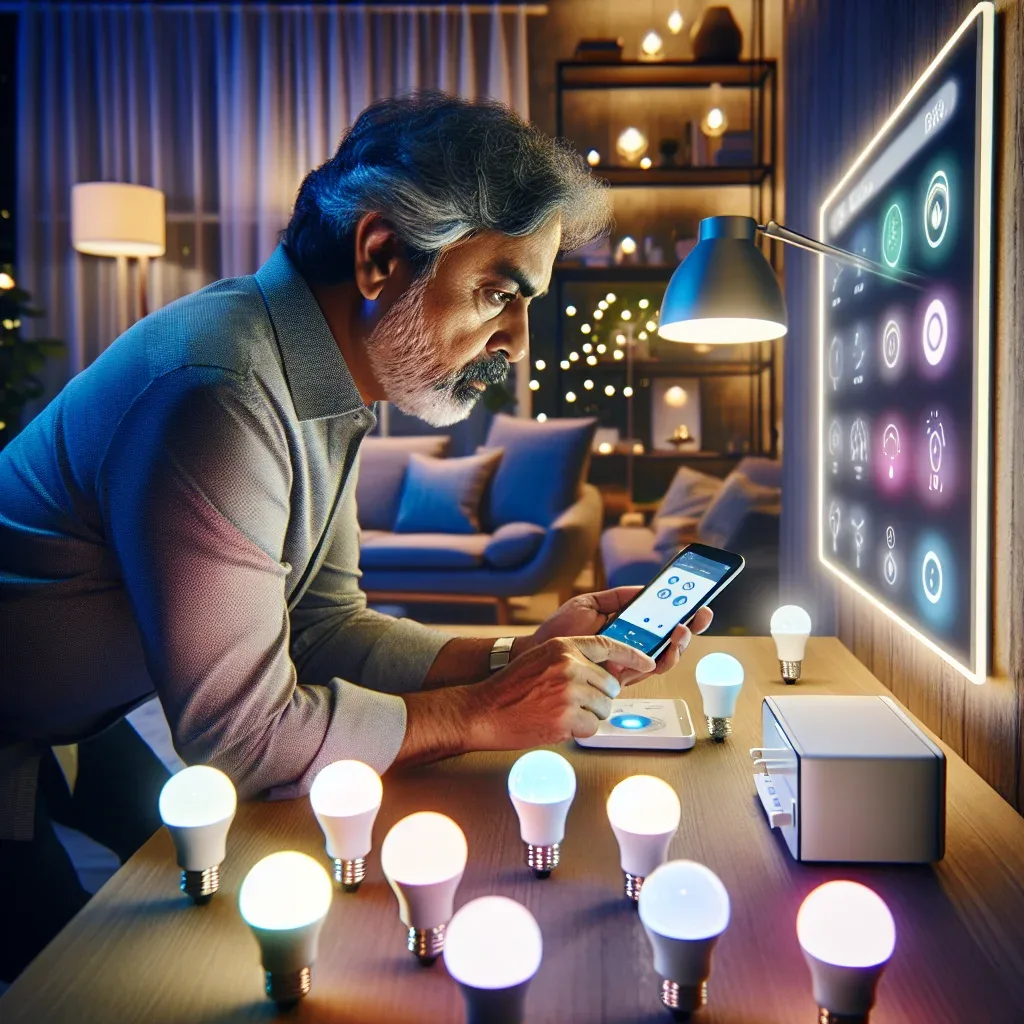
Smart bulbs are the fastest starting point for completed homes. Replace existing bulbs without any wiring changes. Xiaomi smart LED bulbs support both Mi Home and Matter 1.4 and start at approximately ฿399 per bulb.
Smart switches preserve existing bulbs while adding intelligent control at the wall. TP-Link Kasa smart switches are available in 1, 2, and 3-gang configurations, replace standard switches directly, and connect via Wi-Fi. Prices start at ฿750 to ฿1,200.
Smart downlights and LED strips suit new builds and renovation projects. RGBW smart downlights provide full colour and brightness control. LED strips under cabinetry or behind televisions create ambient lighting effects standard in premium interior design projects.
Planning Zones and Scenes
Dividing lighting into zones by activity area is the foundation of a practical smart lighting system. A living room might have three zones: main ceiling light for high-brightness activities, accent lighting around the room perimeter for evening atmosphere, and an LED strip behind the television to reduce eye strain during viewing.
A single "Movie" scene that sets all three zones simultaneously — triggered by one button press or voice command — makes real-world use far more convenient than adjusting individual lights. HappySmart designs scene architecture during installation so the system is immediately practical without user configuration.
Automation That Makes Lighting Genuinely Smart
Sunrise and sunset automation opens and closes exterior lights based on actual GPS-calculated sunrise and sunset times, not fixed schedules that drift with seasonal change.
Adaptive Lighting is a Home Assistant add-on that automatically adjusts colour temperature throughout the day following circadian rhythm — warm in early morning, bright white at midday, gradually warming again toward evening. Studies consistently show this pattern improves sleep quality when the home environment supports it.
Occupancy-based lighting in bathrooms and corridors uses motion sensors to switch lights on when someone enters and off after five minutes of no movement. This single automation reduces lighting electricity consumption significantly without requiring any behaviour change from occupants.
Energy Savings from Smart Lighting
Modern smart LED bulbs already consume far less power than the fluorescent fittings they replace. Automation that switches off unoccupied spaces compounds this saving. Most users report 30 to 50 percent reductions in lighting electricity costs after installing smart lighting with occupancy-based automation.