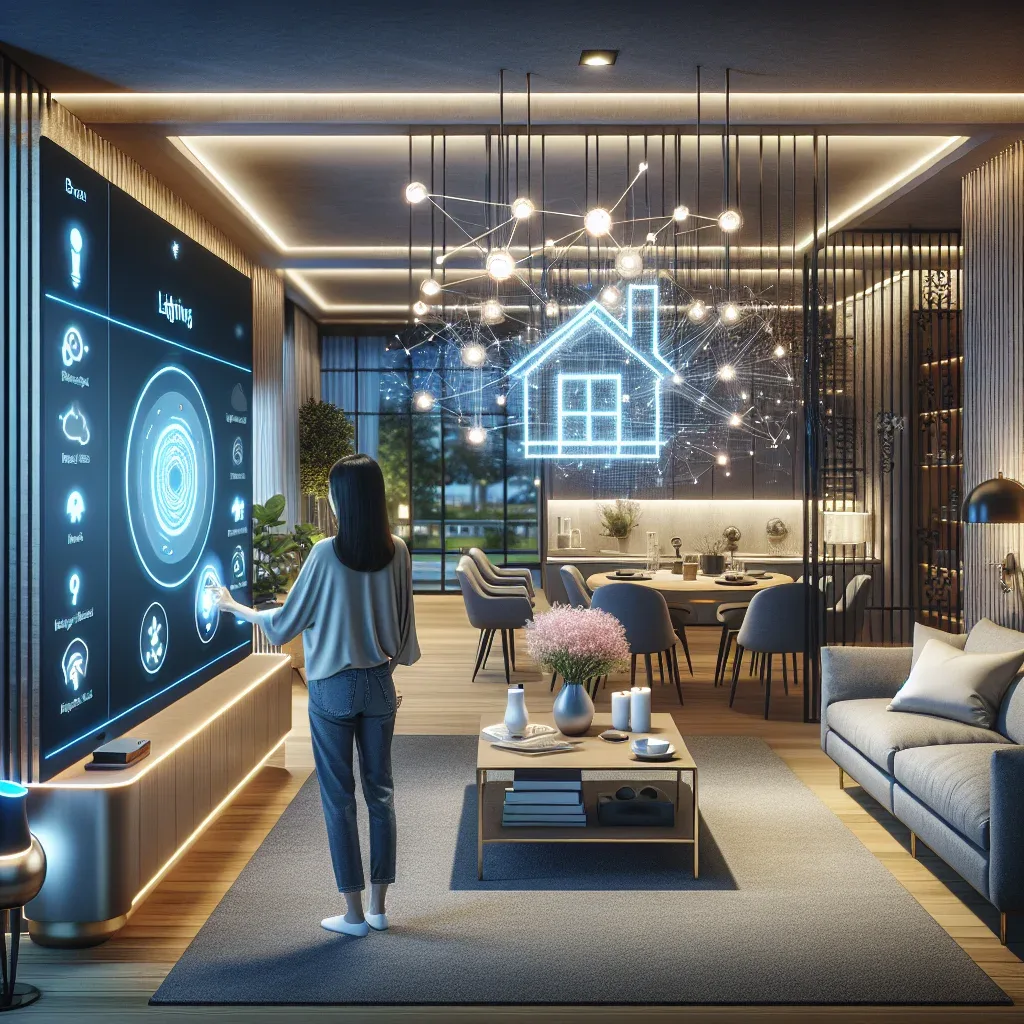
Lighting Is the Best Starting Point
Of all smart home systems, lighting produces the most immediate results and gets used the most. Residents experience the difference every time they enter or leave a room, unlike other systems that work invisibly in the background.
In Thai homes with strong sunlight, smart lighting that automatically adjusts brightness to match natural light levels also reduces electricity consumption. The system avoids running lights unnecessarily when daylight is sufficient.
Types of Smart Lighting Devices
Matter 1.4 smart bulbs like the Xiaomi Yeelight Color are the best starting choice. They replace existing bulbs without any wiring changes, support HomeKit, Mi Home, and Tuya simultaneously, offer over 16 million colour options, and dim from 1% to 100%.
Smart switches suit homes wanting to control multiple conventional bulbs or where replacing every bulb is impractical. Tuya smart switches replace existing wall switches using the same wiring and become app-controllable immediately.
LED strips serve both decoration and atmosphere. EZVIZ and Xiaomi offer Matter and Zigbee-compatible strips that install quickly and support different lighting scenes for different activities.
Automation That Makes Real Sense
Lighting scenes make daily use simpler than adjusting individual lights one by one. In HomeKit and Mi Home, a single tap activates a "movie" scene that dims every room and turns on the TV backlight simultaneously.
Motion sensors combined with lighting make corridor, stair, and bathroom lights turn on automatically when someone approaches and switch off after a set period of vacancy. This reduces wasted energy without any deliberate action from residents.
Presence simulation turns lights on and off in recorded patterns when owners are away, reducing the risk of a vacancy being obvious to potential intruders over a long period.
Energy Savings from Smart Lighting
Smart LED bulbs consume up to 90% less energy than incandescent bulbs. Adding automation that switches off lights when rooms are empty and dims based on natural light delivers a further 20 to 30 percent reduction for correctly installed systems.
HappySmart integrates energy monitoring into lighting designs so owners can see actual consumption per zone within Home Assistant and Mi Home.