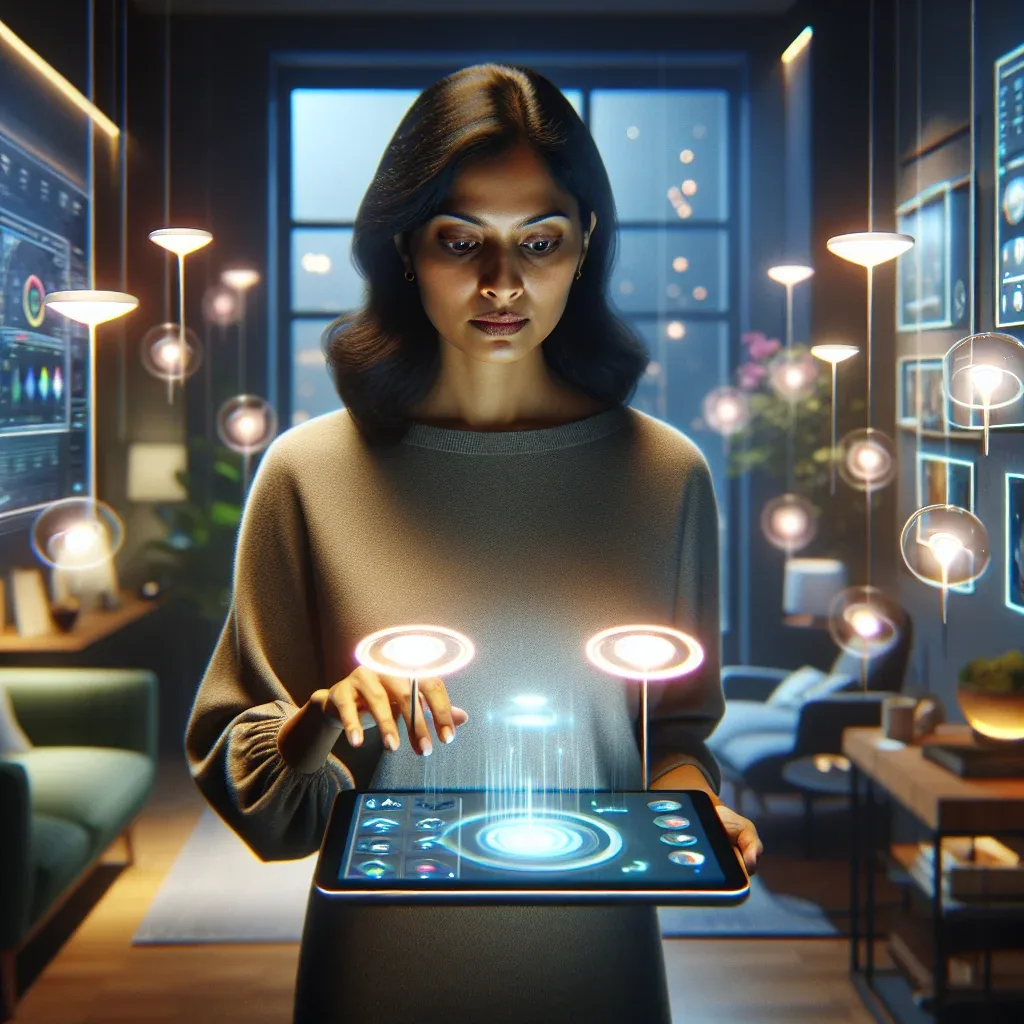
Smart Lighting in 2026 Is Far More Than On and Off
The common misconception is that smart bulbs are just ordinary bulbs controllable through an app. In reality, 2026 smart lighting systems work in conjunction with occupancy sensors, weather data, and the daily schedules of individual household members.
Lights that gradually brighten with your alarm, workspace illumination that adjusts automatically to compensate for changing natural light outside, and soft amber tones at night that support melatonin production — all configured once and running automatically.
Tuya and Mi Home: The Dominant Platforms in Thailand
Most smart lighting deployed across Bangkok runs on Tuya or Mi Home. The advantages are accessible automation tools and low entry-level hardware costs. The Xiaomi Smart Bulb MJDP02YL supports a full 16-million-color spectrum and includes Matter 1.4 onboard, allowing direct HomeKit pairing without an additional hub.
For living rooms requiring distinctive ambiance, Nanoleaf Shapes panels with Matter support also integrate with Tuya ecosystems in 2026.
Circadian Lighting: Illumination That Follows Biology
The fastest-growing trend in 2026 is circadian lighting — adjusting color temperature throughout the day to mirror the arc of natural sunlight.
Morning calls for cool, bright light at 6500K to promote alertness. Afternoon shifts to a neutral 4000K. Evening gradually transitions to warm 2700K to prepare the body for sleep. Multiple research programs confirm that sustained circadian lighting improves sleep quality and daytime productivity.
Energy Savings You Can Measure
Occupancy sensors paired with lighting systems eliminate the energy waste of lights left on in empty rooms. A 200-square-meter Bangkok home with a fully integrated smart lighting system typically reduces lighting electricity consumption by 30 to 40 percent compared with conventional LED fixtures.
HappySmart integrates lighting design with its AI Interior service so homes are both visually refined and energy efficient. Packages start at ฿1,599.