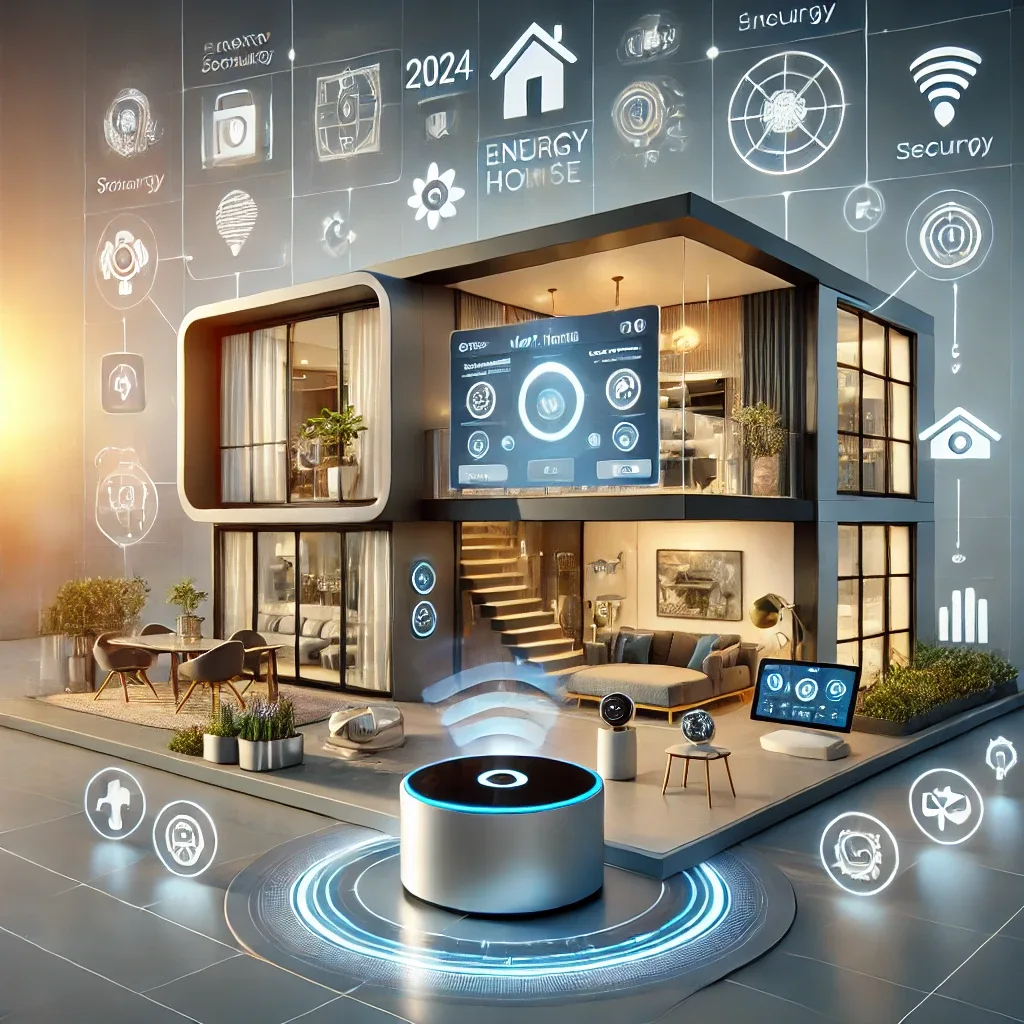
Why Smart Home Is a Worthwhile Investment in 2024
Many still view smart homes as a luxury for the wealthy or a technology toy. But in 2024, IoT device prices have dropped significantly, and systems like Home Assistant on Raspberry Pi 5 make professional-grade smart home setups accessible to everyone. The question has shifted from "can I afford it" to "can I afford not to."
Measurable Convenience
Home Assistant supports over 3,000 device integrations — light bulbs, smart plugs, air conditioners, door locks, cameras, and sensors — all controlled through a single app or by voice. This convenience isn't just lifestyle enhancement; it directly reduces time spent managing the home and cuts energy waste. A Raspberry Pi 5 costing approximately 2,500–3,500 THB serves as an effective central hub for an entire home's IoT ecosystem, making entry costs far lower than proprietary systems.
Enhanced Security
IP cameras with Frigate NVR detect motion and send real-time alerts to smartphones. Door and window sensors trigger notifications when opened without authorization. Smart locks allow remote access control from anywhere. Smoke and gas leak detectors send emergency alerts immediately. These security improvements provide peace of mind and may also reduce insurance premiums — a tangible financial benefit beyond comfort.
Tangible Energy Savings
Smart lighting systems turn off automatically when rooms are unoccupied. Air conditioning adjusts based on occupancy detection and outdoor weather conditions. Integrating solar systems with Home Assistant's Energy Dashboard achieves 20–35% electricity savings for standard homes and up to 30–50% with solar panels. In Bangkok where electricity costs 4–5 THB per unit, accumulated energy savings over 3–5 years can fully recover the initial smart home investment.
Long-term ROI and Property Value
Homes equipped with smart home systems command 5–15% higher market values than comparable properties in the same neighborhood. New-generation homebuyers increasingly prioritize technology and convenience. HappySmart provides services for both B2C residential clients and B2B customers including offices, hotels, condominiums, and commercial spaces, with expert teams handling complete consultation and installation.
Conclusion
Investing in a smart home in 2024 delivers clear returns across quality of life, security, energy costs, and property value. It is not merely an expense — it is a genuinely worthwhile long-term investment.