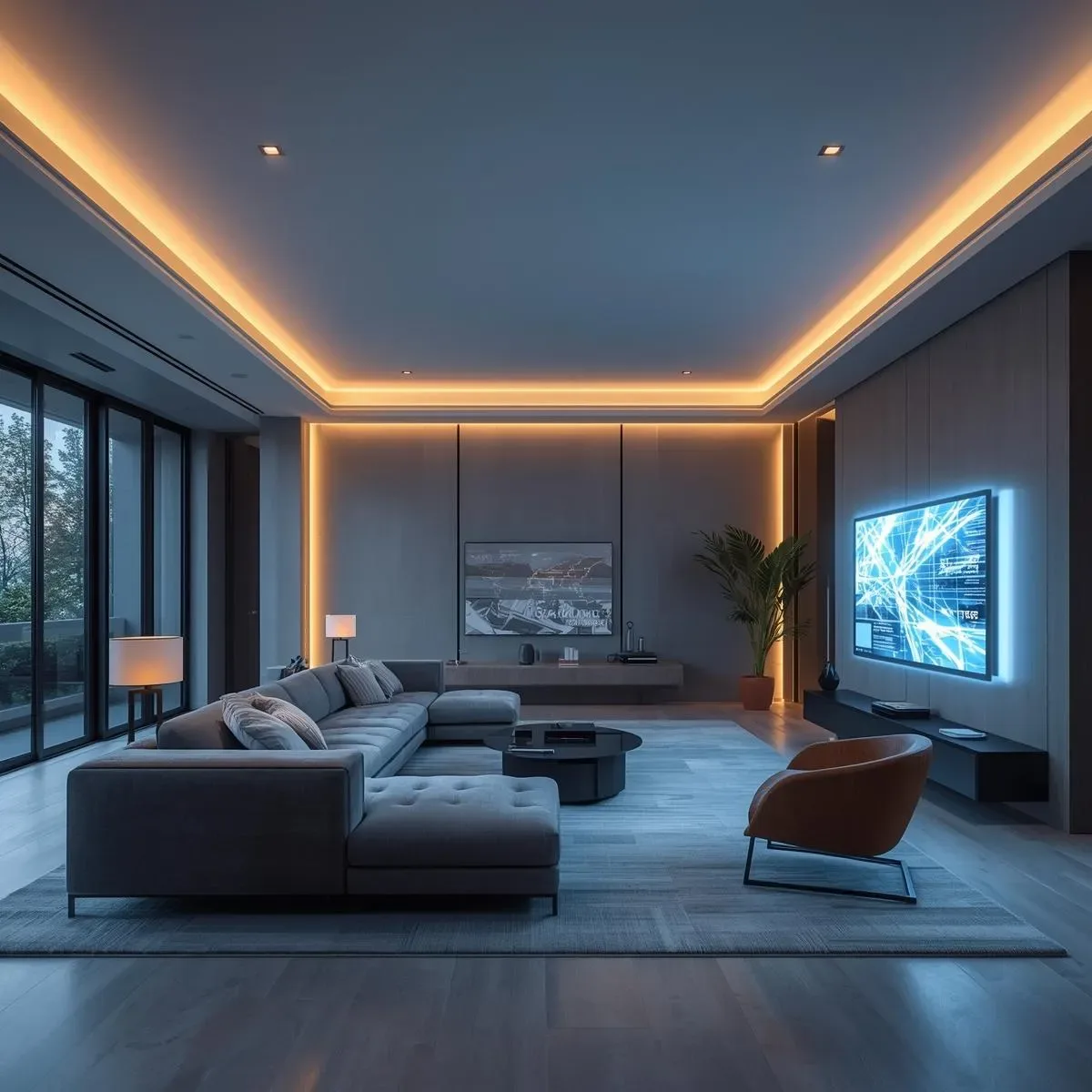
By 2030, Thailand will cross the Super-Aged Society threshold with over 28% of the population aged 60 or older. SmartInterior systems designed for aging-in-place residents are not optional—they are the primary infrastructure for managing Thailand’s most significant demographic shift. LINE OA serves as the primary family monitoring interface because LINE is already the universal communication channel across all Thai age groups, eliminating the need to adopt new applications.
Fall Prevention with Radar Sensors: 60 GHz millimeter-wave radar sensors (not cameras—no privacy concerns) monitor presence and movement in bathrooms, bedrooms, and stairway areas. The system analyzes Gait Anomaly patterns and detects stationary presence exceeding 10 minutes without movement—a potential fall indicator. When triggered, an immediate LINE OA alert goes to designated family members specifying room, time, and alert type. Machine learning distinguishes between lying down (normal sleep) and fall scenarios by analyzing the motion sequence preceding the static state, reducing false alarms while maintaining high sensitivity. Average detection latency: under 3 seconds.
Cognitive Support Design: A large Smart Display in the kitchen shows the time, weather, medication schedule, and upcoming family video calls. Thai-language Voice Assistant (supporting major platforms with Thai language support) controls lights, HVAC, and calls via natural speech—no app required. Physical SOS buttons in every room send simultaneous LINE OA alerts to all family members when pressed. The UI philosophy is radical simplicity: large fonts, three-color status indicators, and no more than five interaction options on any screen.
Automated Medication Management: An IoT-connected Automated Pill Dispenser alerts at scheduled times with the medication name and dosage displayed on the Smart Display and announced via voice. If medication is not retrieved within the scheduled window, a Push Notification goes to the designated caregiver via LINE OA. Schedules can synchronize with electronic prescriptions from compatible hospital systems, reducing transcription errors.
Environmental Safety Automation: The stove auto-shuts off if radar detects no kitchen presence for 30 minutes while a burner is active. Flood sensors under the kitchen and bathroom sinks alert before water damage occurs. Gas leak detectors integrate with automated gas valve shutoff. Temperature monitoring alerts family via LINE OA if indoor temperature exceeds 32°C with HVAC inactive—critical given Bangkok’s extreme summer heat. BIM design standards for aging-in-place include: doorways ≥900mm minimum clear width, bathroom blocking plates pre-installed in walls for future grab bar mounting, non-slip flooring materials throughout, and contrasting color thresholds modeled for visual safety.