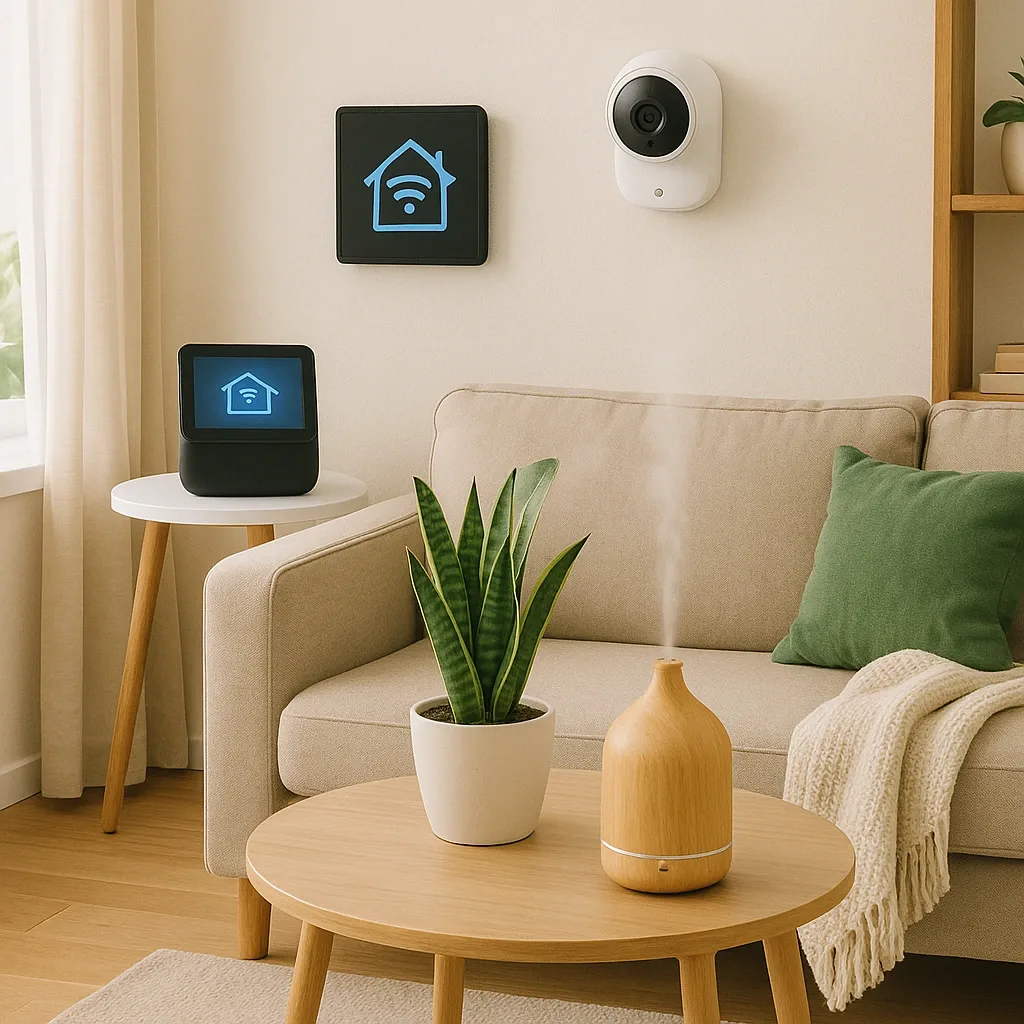
The Real Problem: Safety ≠ Surveillance
When adult children propose installing cameras in elderly parents’ bedrooms or bathrooms, the most common response is immediate refusal. Research from Mahidol University (2023) found 73% of Thai elderly feel CCTV cameras inside the home violate their dignity, even when installed by well-meaning family.
But the opposite problem carries equal weight: elderly living alone with no detection system risk lying unattended for hours after a fall.
The solution is choosing the right technology, not compromising between the two.
Privacy Score: 4 Technologies Compared
1. Standard IP Camera
- Privacy Score: 2/10
- Data collected: 24/7 video stored in cloud
- Risks: Hacking, data leaks, constant feeling of being watched
- Appropriate for: Common outdoor areas only
2. Smart Camera with AI Privacy Mode
- Privacy Score: 5/10
- Data collected: Blurred video or silhouette only
- Risk: Still a camera — elderly perceive it
- Appropriate for: Entrance, living room
3. PIR Motion Sensor (Passive Infrared)
- Privacy Score: 8/10
- Data collected: Motion signal only, no images
- Limitation: Detects only large movements — cannot distinguish a fall from sitting down
- Appropriate for: Secondary/supplementary use
4. mmWave Radar (60 GHz / 77 GHz)
- Privacy Score: 10/10
- Data collected: Point Cloud only (no image, no audio)
- Capabilities: Fall detection + respiratory rate monitoring + micro-movement detection
- Appropriate for: All rooms including bedroom and bathroom
How mmWave Radar Works
mmWave technology transmits high-frequency radio waves (60–77 GHz) and analyses the reflected echo. The output is a Point Cloud — only position and velocity of objects in the space. No colour, no recognisable shape, no face.
What the system knows:
- A person is present in the room
- Whether they are standing, sitting, or lying flat
- Respiratory rate (70–100 cycles/min = normal)
- Sudden downward movement = Fall Alert
What the system does NOT know or record:
- Face
- Clothing
- Sound
- Any private activity
Acceptance data from Thai Geriatric Study 2024: 89% of elderly accepted mmWave installation in their bedroom vs only 23% for IP cameras.
Recommended System Architecture
Zone 1 — Bedroom (Highest Privacy)
- Devices: mmWave Radar only
- Functions: Fall Detection + Sleep Breathing Monitor + Night Mode
- No cameras, no microphones
Zone 2 — Bathroom (Highest Risk)
- Devices: mmWave Radar + Water Leak Sensor + Emergency Pull Cord
- Functions: Fall Detection (maximum sensitivity) + Flood Alert
- No cameras
Zone 3 — Living Room / Dining Area
- Devices: mmWave Radar + PIR (supplementary) + Smart Speaker
- Camera acceptable if elderly consents — for video calls with family
Zone 4 — Home Entrance
- Devices: Outdoor Smart Camera only + Smart Lock
- Function: Security against external visitors
Case Study: Khun Pa Wandee, Age 78, Sukhumvit
Before installation: Children proposed IP cameras but were refused. She said “My home, not a prison.”
After mmWave system installation: 100% consent once she understood no images are recorded.
6-Month Results:
- 1 bathroom slip detected (no injury — Alert reached daughter in 45 seconds)
- 2 breathing anomalies detected (led to medical consultation before incident)
- Elderly satisfaction: 9.2/10
- Family satisfaction: 9.5/10
Decision Summary
If elderly refuse cameras, do not push. Start with mmWave Radar instead. Maximum safety AND full privacy respect — no compromise required.