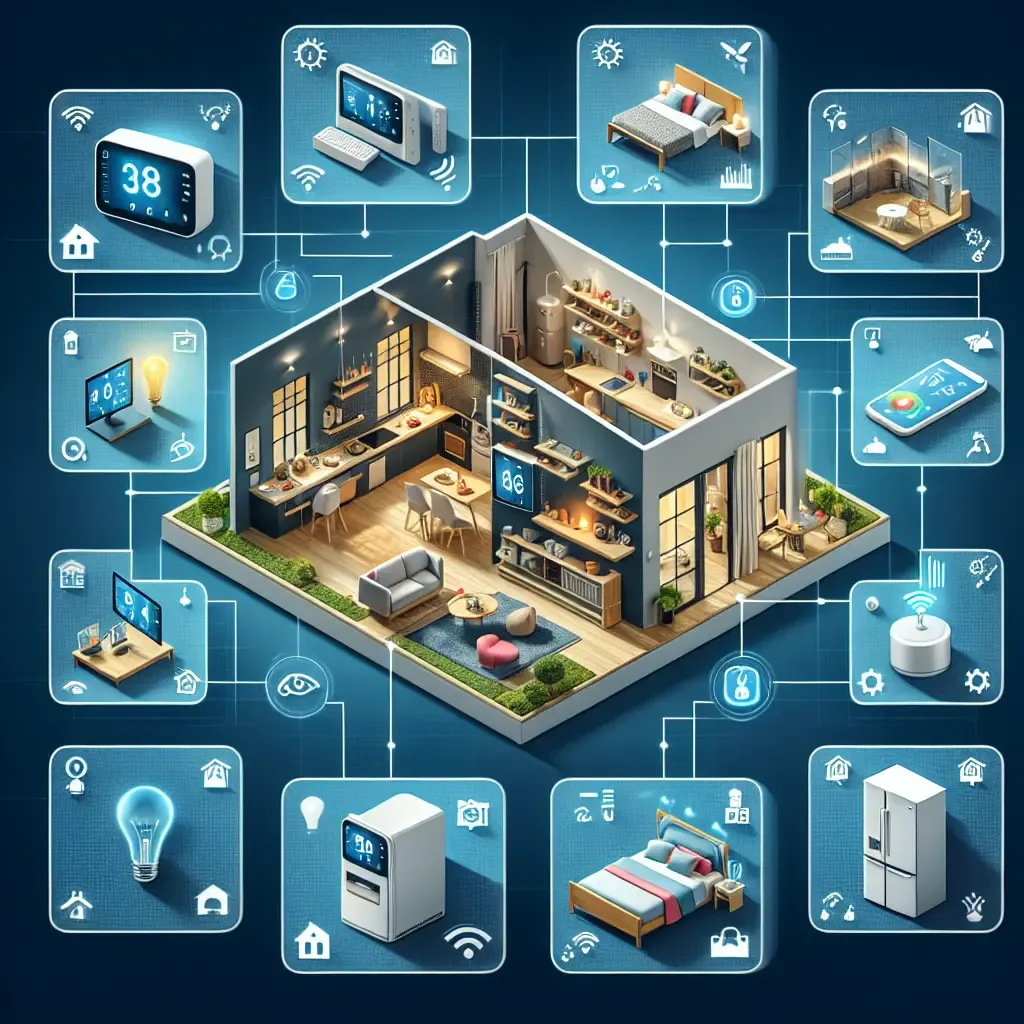
Why Bills Are Rising and How Smart Home Helps
Thailand's electricity rates increased by over 30% cumulatively between 2022 and 2026. For a household using 500 to 800 units per month, that represents hundreds to over a thousand baht in additional monthly costs.
Smart Home technology does not reduce energy use by restricting what you consume. It eliminates waste automatically: lights left on, air conditioning running in empty rooms, appliances consuming standby power that serves no purpose. The system handles all of this without requiring any action from you.
Smart Bulbs and Lighting Control
The Xiaomi Mi Home Color Bulb 2026 draws a maximum of 9W while delivering brightness equivalent to a 60W incandescent bulb, cutting per-bulb energy use by 85%. When combined with motion sensors that switch lights off automatically when a room is empty, total lighting energy consumption typically drops by an additional 20-30%.
For homes with good natural light, an automation in Home Assistant that dims artificial lighting in proportion to incoming daylight maintains consistent room brightness while minimising electricity use throughout the day.
Smart Plugs and Standby Power Elimination
Electronic devices in a typical home consume a combined 50 to 100 watts in standby continuously. That represents ฿400 to ฿800 per month in electricity costs for devices that are doing nothing useful.
The TP-Link Tapo P115 smart plug monitors real-time energy consumption and cuts power on a schedule or when it detects a device has dropped to standby levels. A single plug costs approximately ฿890 and pays for itself from electricity savings within two to three months.
Smart Air Conditioning Management
Air conditioning accounts for 40 to 60 percent of electricity bills in a typical Thai home. Controlling it via a Tuya-compatible IR blaster or a Mi Home-native unit lets Home Assistant manage temperatures and operating schedules precisely.
Setting an automation that raises the temperature by two degrees during peak pricing hours between 14:00 and 17:00, when most residents do not notice a slight change, reduces air conditioning energy consumption by 10 to 15 percent during those hours without affecting comfort.