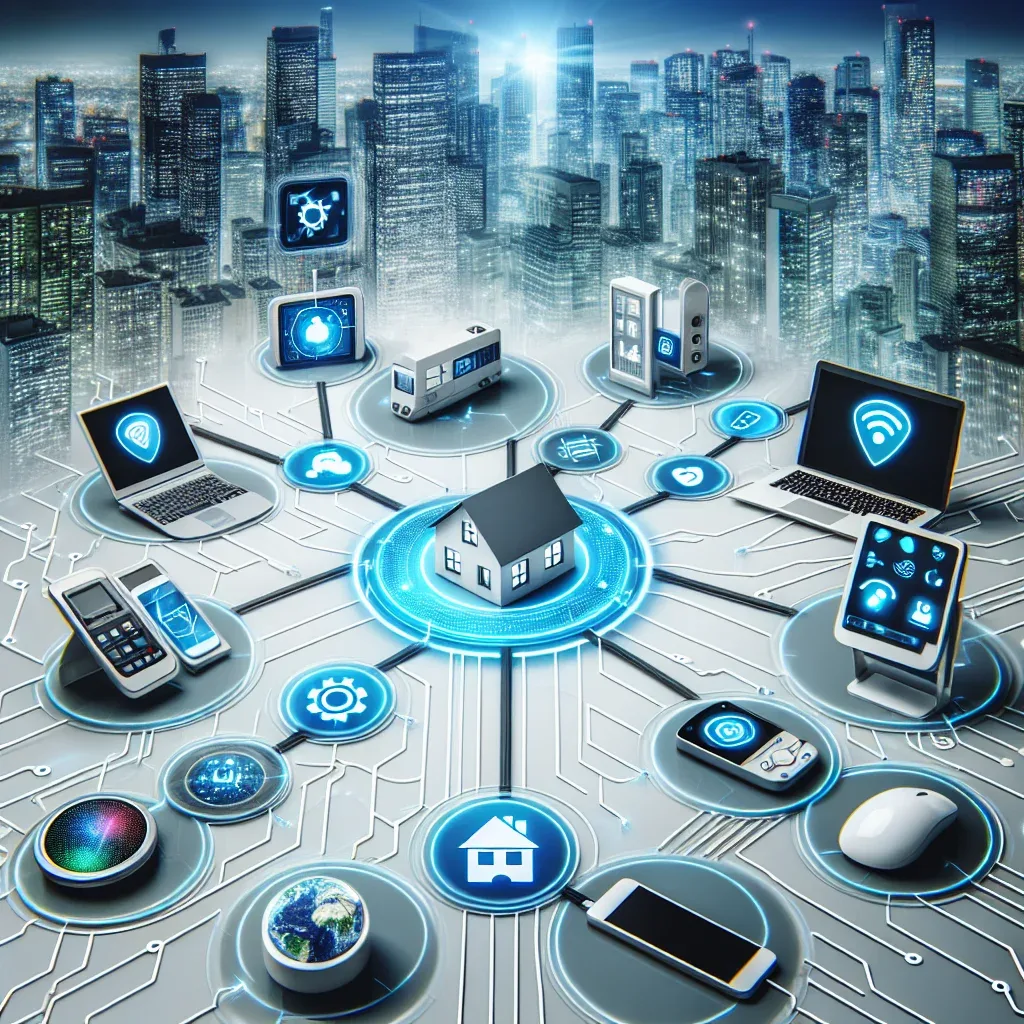
The Problem With Multiple Ecosystems in One Home
Many homeowners build up a smart home gradually — Xiaomi lights here, a Tuya-controlled air conditioner there, an EZVIZ camera at the door, and a lock with its own proprietary app. The result is four separate apps to manage one household.
That is exactly the problem Matter 1.4 and Home Assistant are designed to solve.
Matter 1.4 as the Protocol That Changes the Game
Matter 1.4, published by the Connectivity Standards Alliance in late 2025, is a communication standard that allows devices from different manufacturers to exchange data directly — without routing through each company's cloud. Communication happens on the local network, which means faster response times and no dependency on internet connectivity.
Devices supporting Matter 1.4 in 2026 include several TP-Link Tapo models, the new Xiaomi Smart Home Series, Tuya devices with updated firmware, and Apple HomeKit hardware, which has supported the standard from its inception.
Home Assistant as the Central Hub
Home Assistant brings devices from every ecosystem — HomeKit, Mi Home, Tuya, EZVIZ, and Matter hardware — onto a single dashboard with live status. Automations that cross ecosystem boundaries are native to Home Assistant.
A practical example: when an EZVIZ camera detects movement at the front door, Home Assistant triggers a Xiaomi entry light and pushes a notification to the homeowner's iPhone via HomeKit — all within one system, no separate brand apps involved.
HomeBridge for Older Hardware
Legacy smart home devices that predate Matter 1.4 can join the unified system via HomeBridge, open-source software that presents those devices inside HomeKit and Home Assistant as if they were natively compatible.
HappySmart typically recommends HomeBridge alongside Home Assistant for homes with a mix of older and newer hardware. This allows everything to be managed from the same interface without requiring a full hardware replacement.
How HappySmart Designs Multi-System Integration
Before installation, HappySmart engineers audit the existing devices in the home and design an appropriate hub architecture — whether that is a Raspberry Pi running Home Assistant, an Apple HomePod mini as a Thread Border Router, or a TP-Link Deco router with built-in Matter support.
Network design is equally important. Smart home devices require stable Wi-Fi coverage everywhere. HappySmart uses TP-Link Omada or Deco Mesh for larger homes to ensure consistent signal in every room and outdoor area.