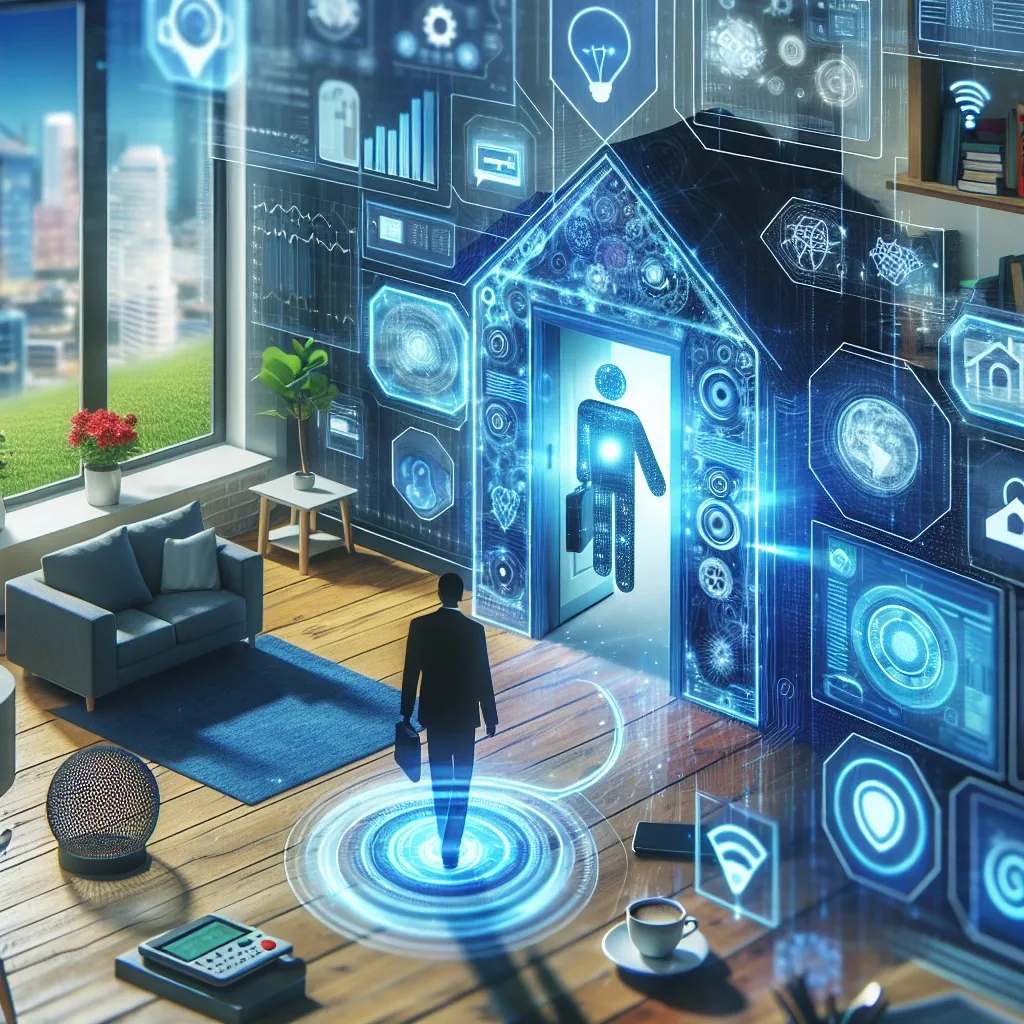
AI in the Home Is About Learning, Not Just Listening
Most people picture voice commands when they think of AI in a smart home. The AI running inside modern home systems does something far more substantial: it analyses your behavioural patterns and adjusts how the system operates to match your actual life, without waiting for instructions.
In 2026, edge AI processes data on a local hub or device without sending anything to an external cloud. Response time is faster and privacy is structurally protected.
AI Controlling Home Systems
An AI-powered lighting system observes that you dim the living room lights every evening around 20:30 and begins doing it automatically after a few days. Unlike a fixed schedule, the system adapts to the difference between weekdays and weekends without being reprogrammed.
An AI air conditioning system learns your preferred temperature at different times of day and begins adjusting before you feel uncomfortable. Combined with mmWave presence sensors that know which rooms are occupied, the system runs only where people actually are, reducing energy waste without any manual intervention.
AI cameras like the EZVIZ H8c Pro use on-device neural networks to distinguish between people, pets, and vehicles. False alerts drop sharply. The latest models process video locally without sending footage to company servers.
AI for Energy Management
Home Assistant combined with Tuya or TP-Link energy monitoring plugs creates a real-time picture of electricity use across the home. The AI analyses this data and identifies appliances drawing power unnecessarily or recommends shifting high-demand tasks to periods when electricity rates are lower.
In homes with solar panels, AI manages battery charging, grid export, and solar consumption to maximise efficiency, taking forecast weather for the following day into account.
Privacy as a Design Choice
HappySmart selects systems that run AI locally as a priority, particularly solutions built on Home Assistant. Your lifestyle patterns and behavioural data are not sent to train external company models.
The HappySmart AI SmartHome package starts at ฿1,599 and supports HomeKit, Matter 1.4, Mi Home, and Tuya. It is designed specifically for Thai homes with their distinct climate and living patterns.