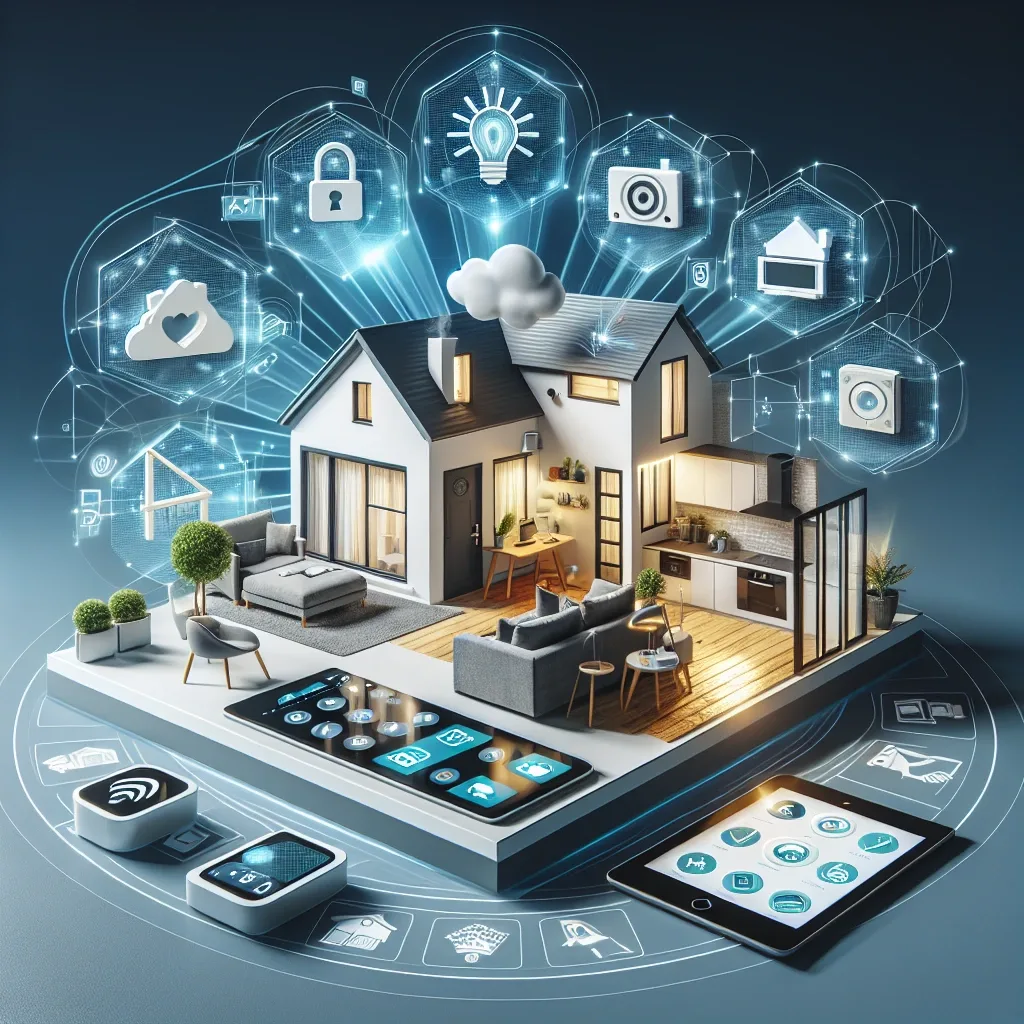
What a Smart Home Actually Means in Practice
The most useful definition of a smart home is not the one with the most devices but the one where the systems work together to reduce daily effort and improve safety automatically. Technology that requires constant manual input is remote control, not intelligence.
In 2026, a genuinely smart home should have lighting that adapts to daily routines without being told, security that sends useful alerts rather than false positives, energy monitoring that produces measurable savings, and interfaces that every household member — including elderly relatives — can use confidently.
Smart Lighting: The Best Starting Point
Replacing standard bulbs with Matter 1.4 certified LED smart lights is the highest-value first step in building a smart home. Modern smart bulbs adjust colour temperature and brightness, work on schedules, and integrate with presence sensors to switch on or off automatically when someone enters or leaves a room.
In a Mi Home household, Xiaomi smart lights can form scenes that change the entire home's atmosphere with a single command. A cinema scene dims the living room, switches off adjacent rooms and adjusts the air conditioning to a comfortable temperature simultaneously — one tap for everything.
Comprehensive Security Without Complexity
Building smart home security in 2026 does not require cable installation or a specialist electrician. Wireless devices do the job cleanly. EZVIZ C3X cameras deliver accurate night vision and motion detection without a monthly subscription for basic alerts. Wireless door and window sensors run on batteries and attach with double-sided tape.
A HomeKit-compatible smart lock lets you lock and unlock your front door from your phone anywhere in the world, with a detailed entry log showing exactly who came and went and when. This is particularly practical for families with school-age children who arrive home independently or for households where an elderly relative is at home alone during the day.
Energy Management You Can Measure
Transforming a conventional home into a genuinely energy-efficient smart home starts with real-time monitoring smart plugs. The data they provide makes the source of high electricity bills immediately visible rather than a monthly surprise.
Automation rules that cut standby power at midnight, combined with adaptive lighting calibrated to natural daylight, reduce electricity consumption without requiring any change in conscious behaviour from the household.
HappySmart designs complete smart home systems for homes in Bangkok, Hua Hin and Khao Yai, covering system design, hardware selection, installation and household training.