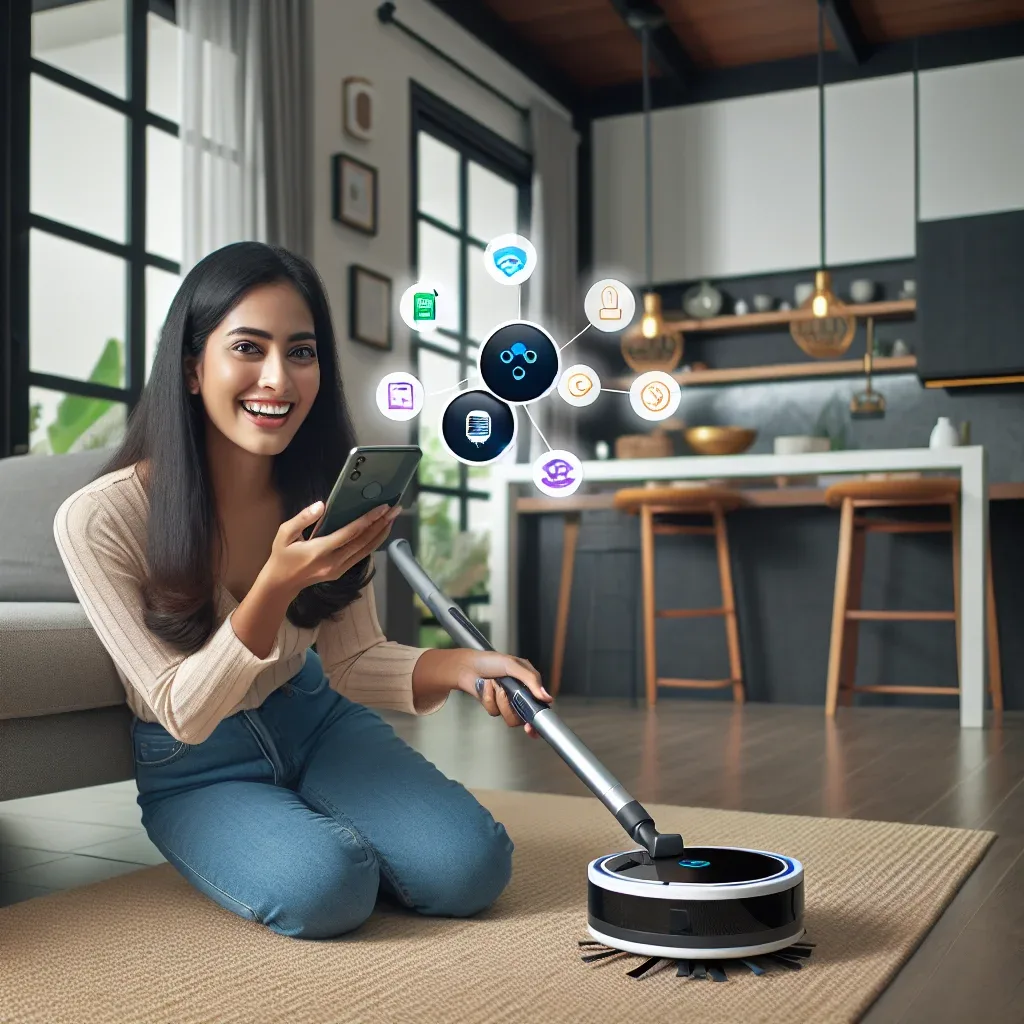
Everyday Convenience That Actually Works
Controlling your lights from your phone is a small part of what a well-designed smart home delivers. The real value comes when the system learns your household's routines and acts without being asked. Common examples in Bangkok homes include the air conditioning starting fifteen minutes before you arrive, corridor lights dimming automatically after 10 pm, and standby power being cut to non-essential devices after midnight.
These automations are set once inside Mi Home, HomeKit or Tuya and run every day without any manual input. That is the shift from remote control to genuine intelligence.
Security That Responds in Seconds
EZVIZ and TP-Link Tapo cameras from 2026 include on-device face detection and can distinguish between a person and a pet without a premium subscription. Alerts reach your smartphone with a photo or short clip within two to three seconds of detection — fast enough to be genuinely useful rather than a notification you check an hour later.
Wireless door and window sensors connected to your hub trigger an alert the moment an entry point opens outside expected hours. For homes with elderly residents, mmWave radar sensors can detect unusual stillness or a fall and automatically notify family members on their phones.
Cutting Energy Bills With Real Data
A smart plug with real-time energy monitoring reveals exactly which appliances consume the most electricity. That information changes behaviour far more effectively than reading a monthly bill. Most households where HappySmart has installed energy monitoring reduce their electricity costs by 15 to 25 percent within the first two months.
Adaptive lighting that adjusts brightness based on available daylight adds further savings, especially in rooms with large east or west-facing windows that receive strong direct sun for several hours a day.
One System That Supports Every Generation
Young children benefit from bedroom cameras that parents can monitor from another room or from the office. Elderly family members are looked after through motion sensors that automatically flag unusual patterns — no action or unexpected movement at odd hours. Working adults who leave early can check on the home throughout the day through a single app.
HappySmart designs systems with every household member in mind, from simple one-tap interfaces suitable for older users to full dashboards for those who want granular control. The technology should fit the family, not the other way around.