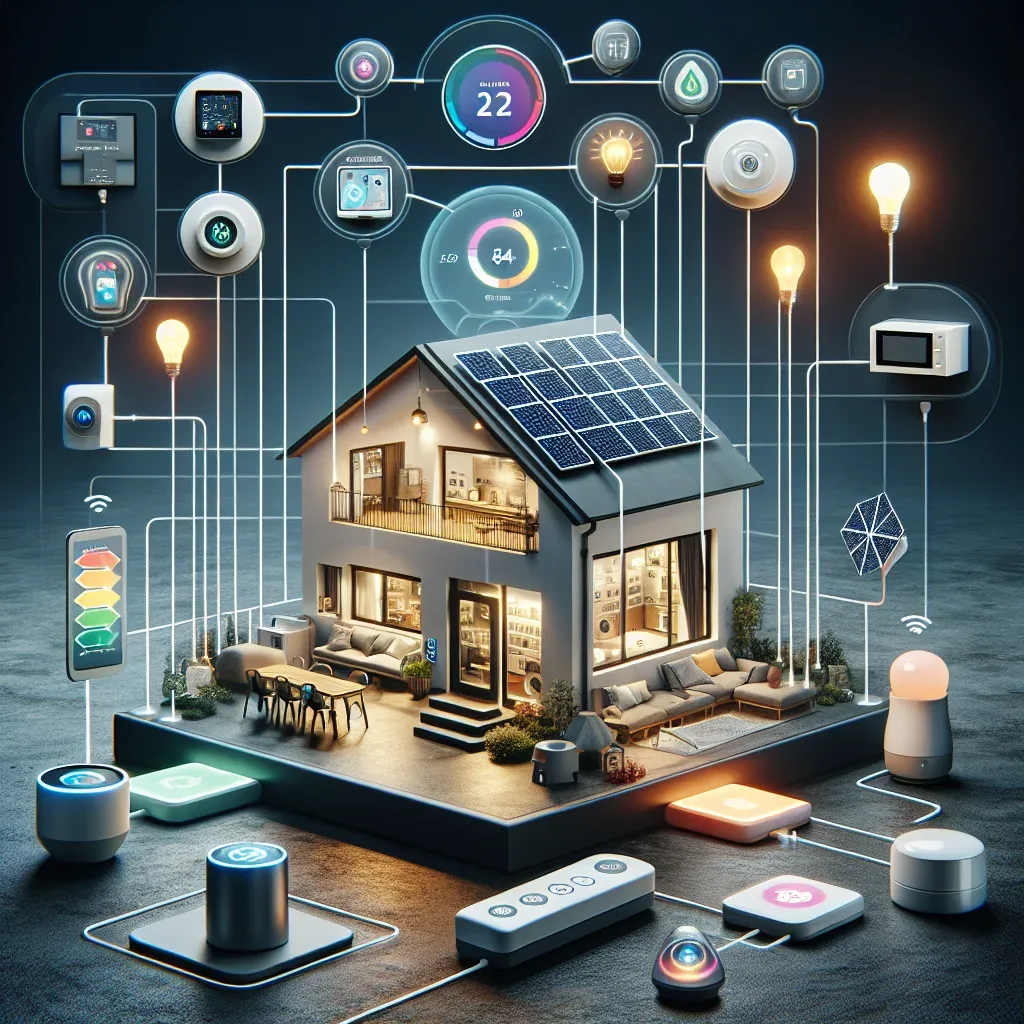
Where Energy Is Wasted in a Typical Bangkok Home
In most Bangkok households, air conditioning accounts for 40 to 50 percent of the monthly electricity bill. Water heaters, refrigerators and appliances left in standby mode add a further slice that most families underestimate because standby consumption is invisible without measurement.
Solving these problems does not require replacing appliances. It requires accurate data and a system that acts on that data automatically. That is exactly what a well-configured smart home delivers.
How IoT Devices Track and Reduce Energy Use
Energy-monitoring smart plugs such as the Xiaomi Smart Plug or TP-Link Tapo P115 report the real-time power draw of every connected appliance through their companion apps. This makes visible exactly how much electricity the washing machine, water heater or television consumes each day, and enables automatic cutoffs when devices are not in active use.
mmWave presence sensors working alongside smart lighting and air conditioning controllers switch off both the moment a room is empty. This eliminates the most common source of wasted electricity in family homes — leaving air conditioning and lights running in unoccupied rooms — without relying on anyone to remember.
AI Scheduling That Gets Smarter Over Time
Newer smart home platforms use machine learning to analyse household energy patterns and suggest relevant automations. A system might observe that the bedroom air conditioner is switched on at 10 pm every night and propose pre-cooling the room to 26 degrees from 9:45 pm, dropping to 24 degrees after midnight. This approach is both more comfortable and more efficient than running the unit at full capacity from a standing start.
Connecting Mi Home with Home Assistant on a Raspberry Pi 5 opens advanced automation possibilities that the manufacturer app alone cannot offer, including adjusting energy-heavy appliance schedules to align with time-of-use electricity pricing.
Measurable Results From Bangkok Homes
Based on HappySmart's installation experience, Bangkok families using comprehensive energy monitoring with basic automations typically reduce their electricity bills by 20 to 30 percent within the first three months, without purchasing new appliances or making significant lifestyle changes.
The hardware investment generally pays for itself within 12 to 18 months from electricity savings alone, making a smart energy system not just a convenience upgrade but a measurable financial return.