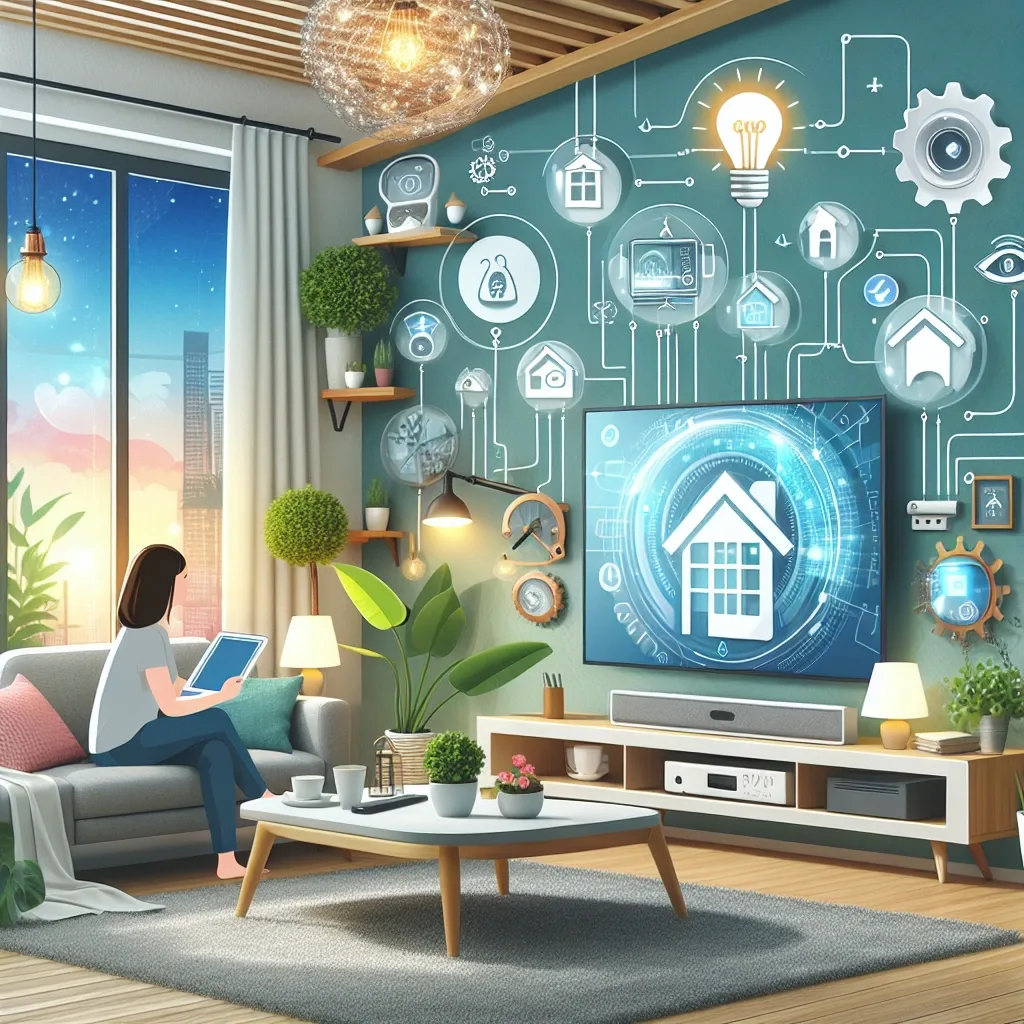
Technique 1: Choose Your Hub — Home Assistant or Homebridge
The foundation of a true smart home is choosing the right central hub. Home Assistant is an open-source platform supporting 3,000+ IoT device brands, capable of unlimited advanced Automation, processing everything locally without sending data externally. It is ideal for those wanting maximum flexibility. Homebridge suits Apple users wanting to bridge non-HomeKit devices into Apple Home and Siri control. Both run excellently on Raspberry Pi 5.
Technique 2: Select the Right IoT Devices
Choosing IoT devices compatible with Home Assistant ensures seamless system operation. Start with Smart Lighting such as Philips Hue or Yeelight for smartphone control and automated scheduling. Add a Smart Thermostat for AC temperature control and energy savings. Install a Smart Security Camera integrated with Frigate NVR for AI-powered motion detection that distinguishes people from animals, with real-time smartphone alerts — giving you complete awareness of what is happening at home.
Technique 3: Build Intelligent Automations
Automation is the heart of a smart home. Popular Automations for Thai households include automatic lighting when Motion Sensors detect movement at night, automatic AC shutdown after 30 minutes of room vacancy, LINE notifications when the front door opens while you are away, and automatic dimming at 10 PM to prepare your body for sleep. Home Assistant's Visual Automation Editor lets you build all of these without writing a single line of code.
Technique 4: Enhance Security with Smart Systems
A comprehensive smart security setup includes CCTV cameras paired with Frigate AI that accurately distinguishes people from animals or vehicles. Zigbee Motion Sensors send instant alerts when movement occurs in monitored zones. Smart Locks maintain a complete Access Log of every door entry. Multi-channel alert delivery via Push Notification, LINE, and Email ensures you never miss a critical event — even when traveling internationally.
Technique 5: Save Energy and Live Sustainably
Smart homes deliver meaningful electricity bill reductions. Install Smart Plugs that measure per-device energy consumption, set Automations to switch off unused appliances automatically, and use Home Assistant's Energy Dashboard to identify the highest power-consuming devices. Most users report 20-35% monthly electricity savings after activating Home Assistant's energy management features. HappySmart provides complete end-to-end installation and configuration for all five techniques.