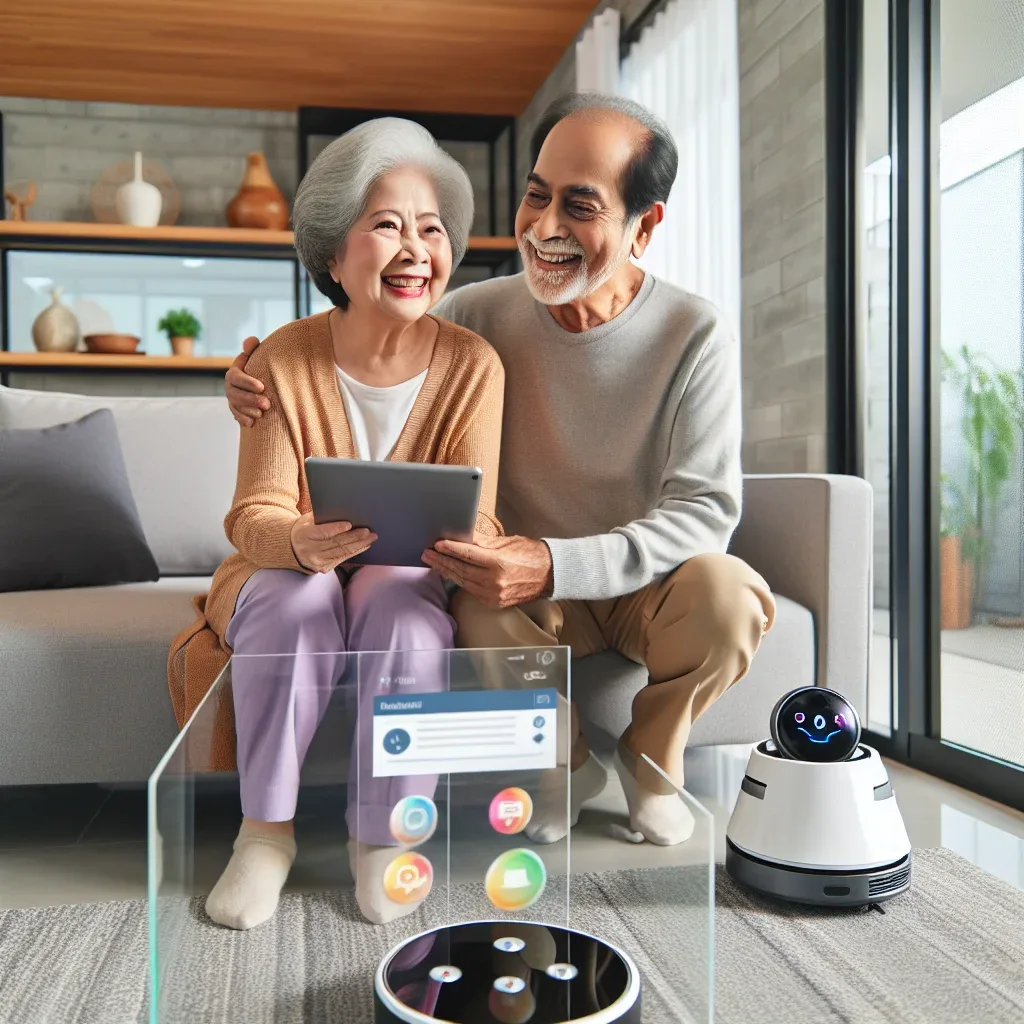
Why Smart Home Technology Is the Right Fit for Thailand's Ageing Population
Thailand is entering a fully aged society. By 2030, more than 20% of the population is projected to be over 60. In Bangkok, most working-age family members are away from home for the majority of the day. Keeping elderly residents safe while maintaining their independence requires tools that work reliably without constant human supervision.
A well-configured smart home does not replace family care. It extends it — allowing elderly residents greater autonomy while giving family members real-time confidence regardless of distance.
Safety Systems Designed Specifically for Elderly Residents
The latest mmWave Radar sensors from Aqara and Tuya detect movement, posture, and position with precision. They can be configured to alert family members when a fall is detected or when there has been no movement in a room for longer than a set period — for example, no bathroom activity for more than 30 minutes during morning hours.
The EZVIZ C3W Pro 2026 model includes AI Detection that distinguishes people from pets and objects, recording and sending mobile notifications only for relevant events. False alarms are significantly reduced compared to basic motion sensors.
A portable SOS button paired with a Zigbee hub allows an elderly resident to send an immediate alert to the family app and open two-way audio communication without needing to find or operate a phone.
Convenience Systems That Reduce Dependence on Others
Smart switches and voice control allow elderly residents to manage lights from bed or a chair, removing the need to walk to wall switches at night — one of the most common moments of fall risk.
Auto Night Light modes that activate corridor and bathroom lighting on motion detection at night, smart door locks that eliminate traditional key handling, and automatic door release when family members arrive all reduce friction from daily tasks.
Smart air conditioners set to maintain stable overnight temperatures protect against the hypothermia risk that elderly residents face — they typically require warmer ambient temperatures than younger household members.
Real-Time Family Connection
A Mi Home or Home Assistant dashboard can be configured to give family members a real-time view of home status — door open/close events, lighting state, and movement in key areas.
An automated Daily Report delivered each morning can summarise activity patterns: bathroom use times, whether the resident left home, and appliance activity in the kitchen that suggests mealtimes occurred as expected. This gives distant family members concrete, factual reassurance rather than relying on daily phone calls.
Planning an Elderly Care Smart Home Effectively
Good system design starts with understanding the specific elderly resident's daily patterns. A single-storey home has different requirements from a two-storey house. Properties with gardens need outdoor sensors. Residents with mobility issues require different switch and sensor placements than those who are fully ambulatory.
HappySmart designs elderly-focused smart home systems after assessing the property and listening to both the resident and family members, ensuring the final configuration matches real needs rather than generic templates.