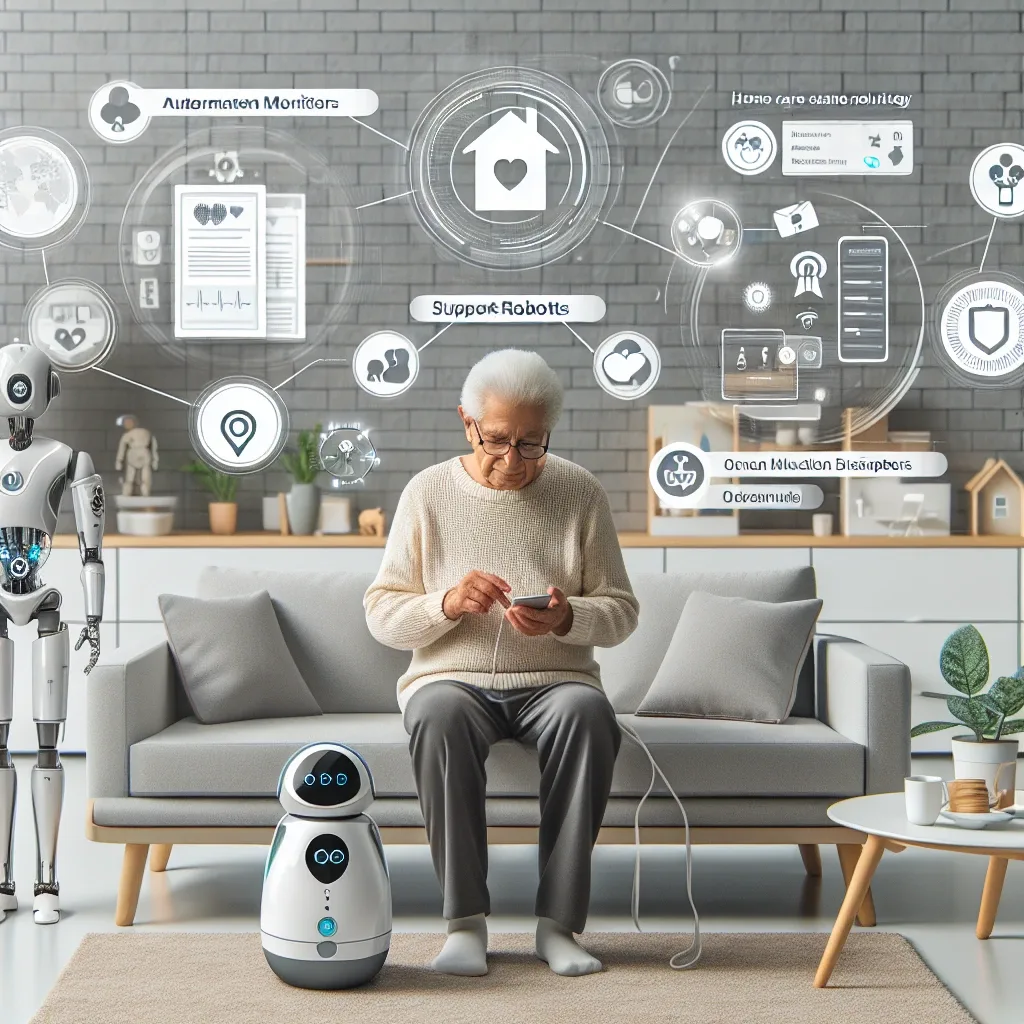
Thailand's Ageing Society Needs New Solutions
By 2026, Thais aged 60 and over represent more than 20 percent of the population. With birth rates remaining low and the multi-generational household becoming less common, demand for elderly care is growing faster than the traditional supply of medical staff and dedicated carers can meet.
Home care technology fills this gap by enabling elderly residents to live safely and with dignity in their own homes, while family members maintain meaningful oversight from a distance.
Sensors That Monitor Without Intruding
mmWave sensors installed in key rooms — bedroom, bathroom and living area — detect movement patterns and presence without recording images or audio. When the system detects an anomaly, such as an elderly resident remaining still in the bathroom for an unusually long period or showing no movement during normal waking hours, it immediately alerts family members' smartphones.
Non-camera monitoring is particularly important for Thai elderly residents who place high value on privacy within their personal spaces, and for whom visible cameras would create discomfort and resistance.
AI and IoT for Continuous Health Monitoring
Smart wearables connected to Home Assistant on Raspberry Pi 5 transmit heart rate, blood pressure and blood oxygen levels to a family app in real time. AI analysis identifies trends and generates early warnings when readings deviate from baseline patterns, before they develop into emergencies.
Xiaomi air quality sensors monitoring PM2.5 and humidity in an elderly resident's bedroom connect to air conditioning and air purifier controls, automatically maintaining the environmental conditions most supportive of respiratory health.
Designing Homes That Support Elderly Independence
HappySmart works alongside the AI Architect service from Vish Architect Group to integrate elderly-supportive design from the planning stage. This covers optimal sensor placement, lighting that reduces fall risk at night, and smart lock selection for residents with limited hand dexterity — considerations that cannot be easily retrofitted but make an enormous difference to daily safety.
An effective home care solution is not only technology. It is design that genuinely understands the needs of the people living in the home.