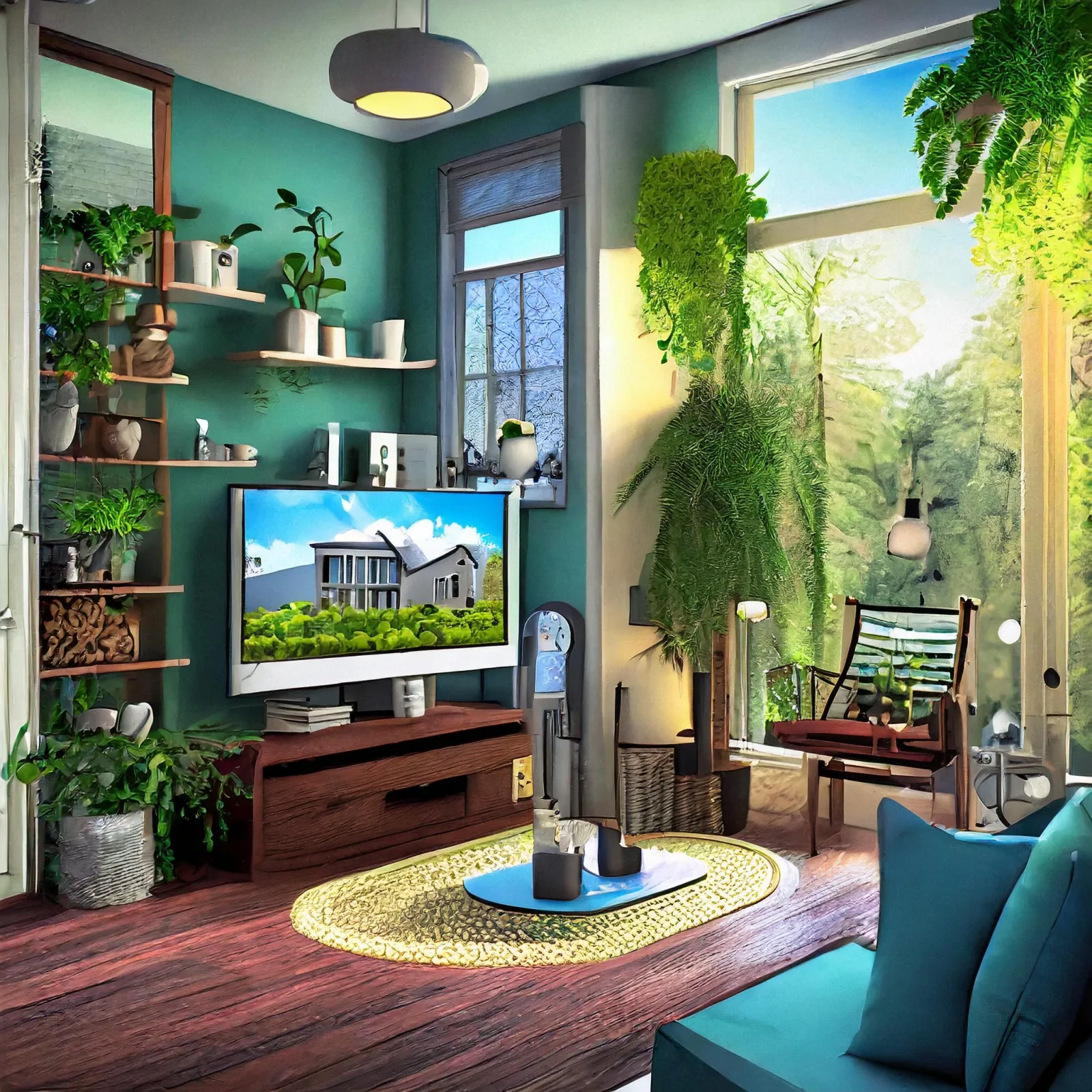
What Makes a Home Truly Future-Ready in 2026?
The smart home landscape has shifted decisively. In 2026, IoT and AI integration are no longer luxury add-ons — they are the baseline expectation for premium residences across Bangkok, Hua Hin, and Khao Yai. Yet most homes being built today still rely on disconnected systems that will feel outdated within three years.
A future-ready home is one that learns, adapts, and scales. It is designed around open standards, not proprietary lock-in. And it treats technology not as a feature list but as infrastructure — as fundamental as the electrical wiring or the plumbing.
Matter 1.4: The Protocol That Protects Your Investment
The biggest fear among homeowners considering smart home investment is obsolescence. You spend significant capital on devices and systems, and then a manufacturer discontinues support or changes their platform.
HappySmart addresses this directly by building every project on Matter 1.4, the open connectivity standard backed by Apple HomeKit, Google Home, Amazon Alexa, and Samsung SmartThings. Devices from Tuya, TP-Link, EZVIZ, and Xiaomi Mi Home that you install today will communicate seamlessly with whatever platform you prefer in five or ten years. Your investment is protected at the protocol level.
Matter 1.4 also introduces enhanced support for energy management devices and improved Thread mesh networking, which means more reliable, low-latency communication across large properties — important for villas in Hua Hin or multi-floor residences in Bangkok.
IoT + AI: When Your Home Starts Thinking
IoT provides the nervous system — sensors, actuators, and connectivity that link every device. AI provides the intelligence that makes the system genuinely useful rather than merely connected.
Practical examples from HappySmart installations include: air conditioning that pre-cools the master bedroom 20 minutes before your typical arrival time; lighting scenes that shift automatically from energising morning light to warm evening tones; and security systems that distinguish between a family member, a known visitor, and an unknown individual — alerting you only when it matters.
These automations run quietly in the background. Most homeowners report that after the first month, the system simply anticipates their needs without requiring manual input.
Remote Control: Manage Your Home from Anywhere
For Bangkok's affluent homeowners who travel frequently, or who maintain weekend properties in Hua Hin or Khao Yai, remote management is not a convenience — it is essential.
HappySmart's unified control interface allows you to monitor live camera feeds, adjust climate settings, lock or unlock entry points, and receive instant alerts for any anomaly detected by the system. Everything operates through a single app, regardless of whether the underlying devices are from Tuya, Mi Home, or TP-Link.
Energy Management: Measurable Savings, Every Month
HappySmart's energy management layer provides a real-time dashboard showing consumption by zone, by device, and by time of day. The AI layer identifies waste patterns and recommends scheduling adjustments — typically shifting heavy loads like HVAC to off-peak tariff windows.
Clients in Bangkok with full HappySmart installations consistently report 20–30% reductions in monthly electricity bills. For a home spending 15,000–30,000 THB per month on power, that is a meaningful and measurable return.
Health, Happiness, and Quality of Life
Beyond efficiency, the deeper purpose of a smart home is wellbeing. HappySmart designs systems that monitor indoor air quality, maintain optimal humidity, and create lighting environments that support circadian rhythms and restful sleep.
A scalable architecture means the system grows with your family. Adding a new device, integrating a solar array, or expanding to a second property all happen within the same ecosystem — no reinstallation, no compatibility headaches.
Contact HappySmart via LINE @HappySmart for a free consultation and quote.