Security That Doesn't Wait for an Incident
Conventional security systems record what has already happened. A smart home integrating IoT with security works differently: it analyses data in real time and alerts the owner to anomalies before they become incidents.
In 2026, IoT-connected security systems are no longer expensive. Devices from EZVIZ, TP-Link Tapo, and Xiaomi Smart Home work together through Matter 1.4 and Tuya at prices accessible to most homeowners.
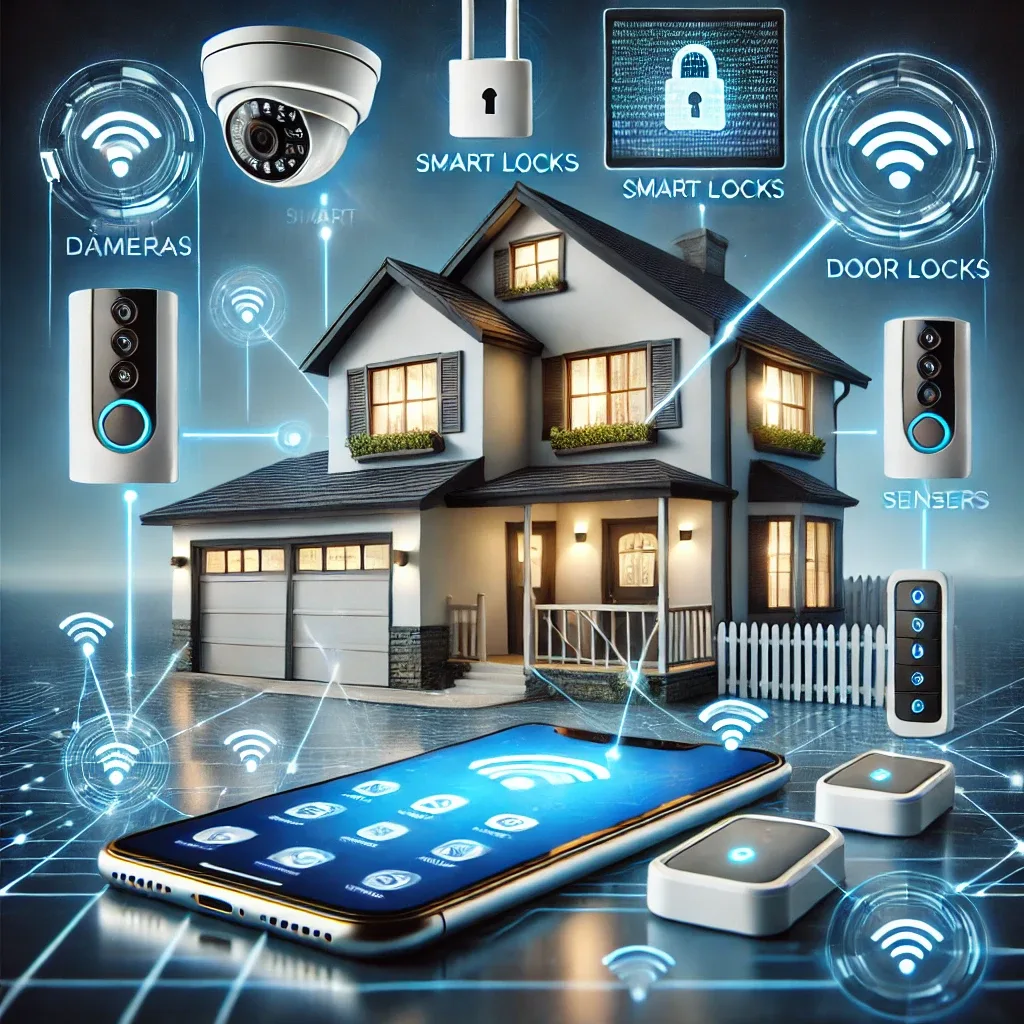
Components of a Complete IoT Security System
Smart cameras are the most familiar element. EZVIZ C6N and TP-Link Tapo C320WS support 24-hour recording, AI-powered person detection, and real-time alerts to smartphones. Storage on both a local micro SD card and cloud provides two redundant layers.
Door and window sensors deliver immediate notification when an entry point is opened without authorisation while the house is unoccupied. The Xiaomi Door/Window Sensor 2 runs on Zigbee and lasts over two years on a single battery.
A smart alarm system connects all cameras and sensors. When a breach is detected, the system sends an alert with footage from the camera at that location within seconds — no waiting until the owner returns home.
Matter-compatible smart locks give precise access control. Temporary codes for housekeepers expire automatically at a set time, and a complete entry history is maintained.
IoT Cybersecurity
The most commonly overlooked vulnerability in IoT security is the network itself. Devices using factory default passwords become entry points for attackers into the entire home network.
HappySmart recommends isolating IoT devices from the main network using a VLAN or separate guest network, changing all device passwords after installation, and maintaining regular firmware updates. For users requiring maximum security, Home Assistant operates in a local-only mode without exposing any port to the internet.
Responding When Something Happens
A well-configured system does more than alert — it helps the owner make faster decisions. AI camera footage that identifies the location and description of an intruder in seconds helps determine whether to call police immediately or investigate further. HappySmart configures alerts to reach the owner's phone and designated household members within seconds of any trigger.