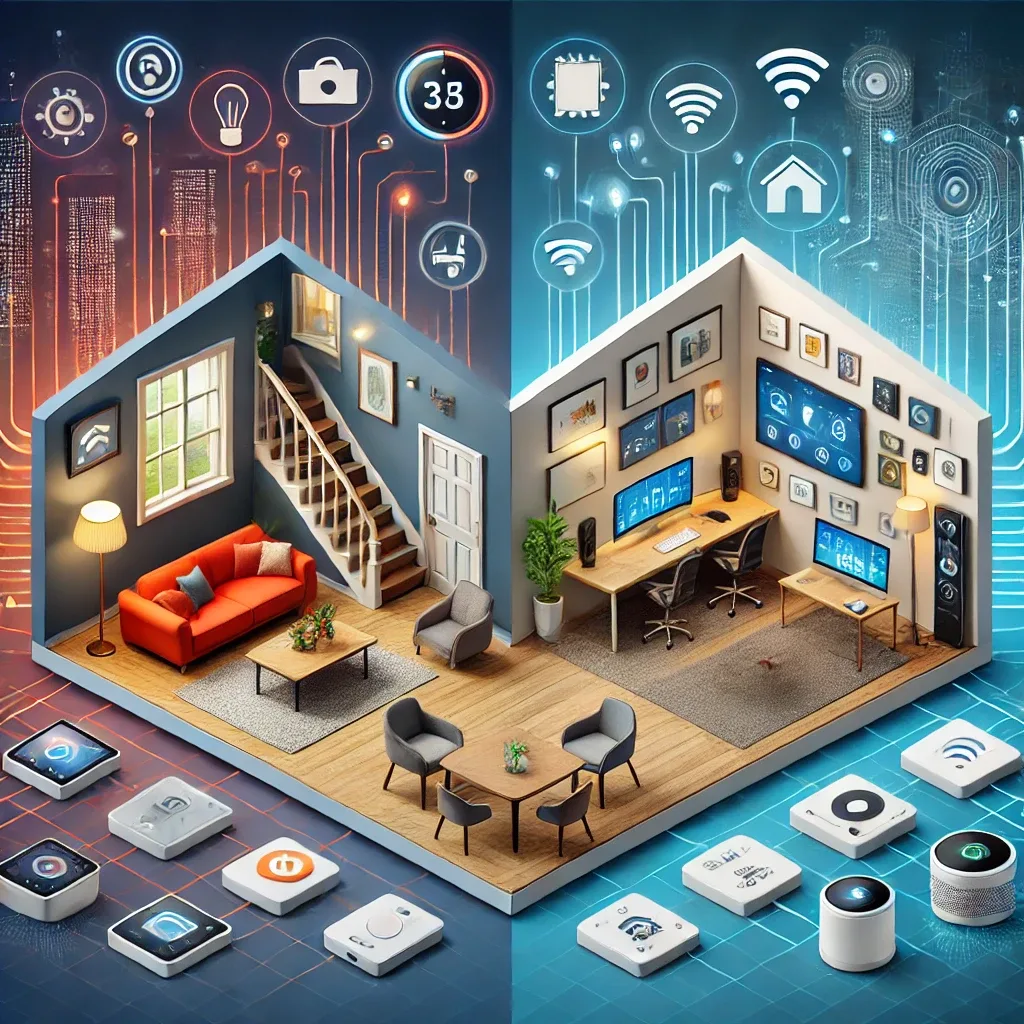
Why Choosing the Right Smart Home Solution Matters
With dozens of smart home products and providers in the market, choosing incorrectly means wasted investment, incompatible systems, or hardware that needs replacement within a few years due to vendor lock-in. A well-chosen solution grows with your needs, functions offline, and protects your privacy for the long term.
Factors 1–2: Core Needs and Space Size
Start by answering what you actually need. Residential homes typically prioritize security (cameras, smart locks, sensors), convenience (lighting and AC control), and monitoring family members. Commercial spaces emphasize access control, energy management, and comprehensive security systems. Space size determines the number of Wi-Fi access points required, the need for Zigbee repeaters, and the appropriate NVR camera count.
Factor 3: Protocol Compatibility
This is the most critical and most frequently overlooked factor. A good smart home system must support multiple protocols: Zigbee for sensors and bulbs, Z-Wave for smart locks and security, Wi-Fi for cameras and appliances, Matter for new-generation devices, and Bluetooth for short-range devices. Home Assistant, Homebridge, and Scrypt support all these protocols, enabling multi-brand device integration within a single unified system.
Factor 4: Security and Privacy
A solid smart home system requires AES-256 data encryption, two-factor authentication (2FA), automatic firmware updates, and local processing that does not transmit data to third-party servers. Local processing ensures the system functions even if the manufacturer's cloud server shuts down — a real risk with low-cost devices whose companies often discontinue support.
Factors 5–6: User Experience and Scalability
A good system has an intuitive interface, sub-1-second response times, and the ability to add new devices without overhauling existing infrastructure. Think 3–5 years ahead — you may want to add health sensors, solar integration, or additional cameras. A properly designed system accommodates expansion without significant additional cost.
Factors 7–8: Provider Expertise and Value
Select providers with demonstrated track records, genuine customer reviews, and clearly defined after-sales support. Price should not be the primary criterion — cheap devices without long-term firmware updates become security vulnerabilities. HappySmart uses internationally certified equipment, provides ongoing support, and designs systems with future expansion built in.
Summary: A Good Solution Works Long-Term
The right smart home solution functions offline, supports multi-brand devices, protects personal data, and scales without complete replacement. Contact HappySmart for a needs assessment and custom solution design for your home or business.