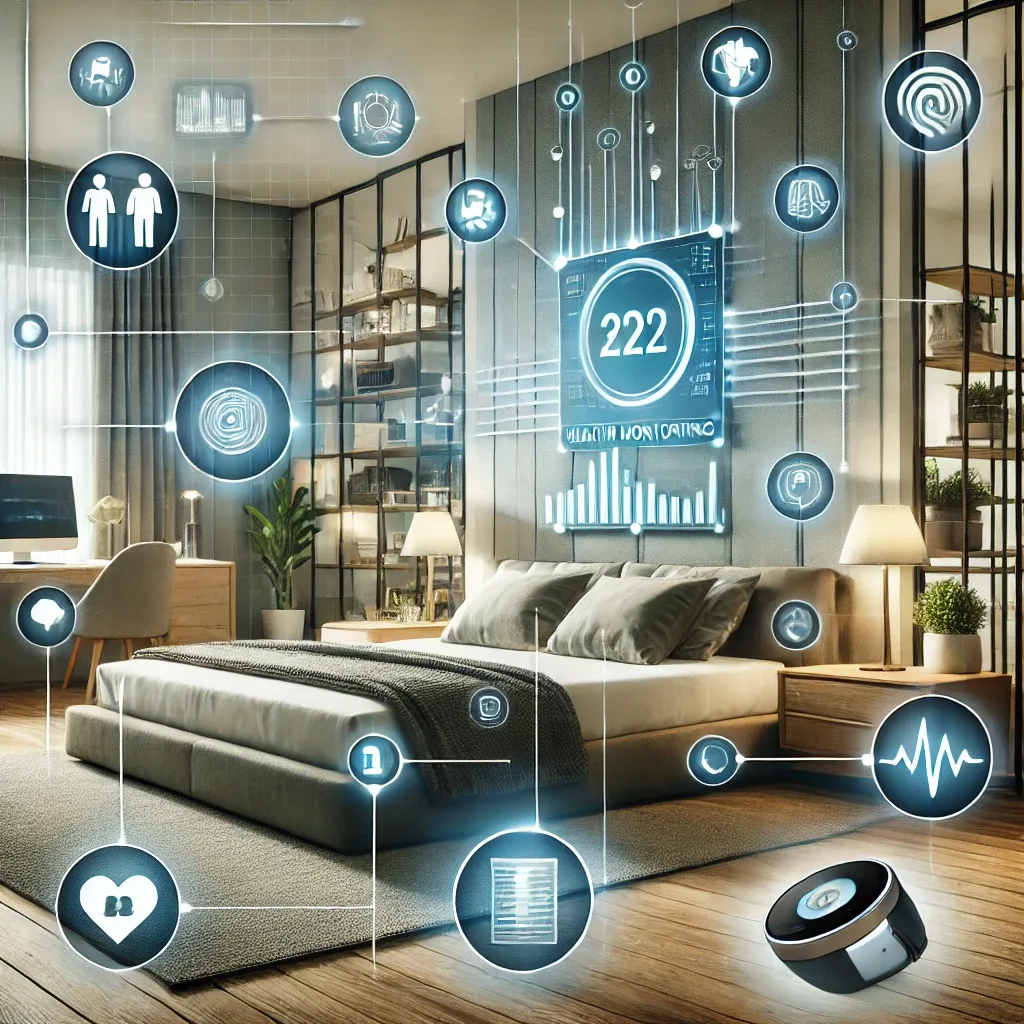
Smart Homes as Family Health Care Systems
As healthcare costs rise annually, smart homes have become one of the most cost-effective preventive health tools available. Reactive health — waiting until illness strikes before treating — is being replaced by proactive health care that prevents problems before they develop.
For Bangkok families facing seasonal PM2.5 spikes and CO2 accumulation in air-conditioned homes sealed throughout the day, a health-focused smart home can significantly reduce long-term health risks.
Indoor Air Quality Monitoring
PM2.5, CO2, and VOC sensors form the foundation of a health-focused smart home. The Sensirion SCD40 sensor monitors CO2 with ±40 ppm accuracy. CO2 above 800 ppm impairs concentration and cognitive performance; above 1,500 ppm causes drowsiness and headaches.
Home Assistant connects these sensors to air purifiers and ERV ventilation fans automatically. When CO2 exceeds thresholds, the ventilation system activates immediately — without waiting for residents to notice discomfort.
Sleep Tracking with Smart Technology
Sleep quality directly impacts long-term health. Smart Pulse Oximeters track blood oxygen levels (SpO2) during sleep. SpO2 below 95% may indicate Sleep Apnea, which significantly increases cardiovascular disease risk.
Maintaining bedroom temperature at 24-26°C with 40-60% humidity promotes deeper sleep. The Nest Learning Thermostat adjusts temperature automatically based on sleep patterns, saving energy while supporting health simultaneously.
Elderly Care and Special Needs Monitoring
Motion sensors detect movement patterns in elderly care settings. If no movement is detected during normally active hours for more than 2 hours, the system sends emergency alerts to family members via LINE or SMS immediately.
Smart emergency buttons carried by elderly residents connect to Home Assistant and transmit help requests instantly. This system dramatically reduces response time in genuine emergencies.
AI and IoT for Long-Term Health Analysis
Aggregating health data from multiple sensors through Home Assistant into InfluxDB and Grafana reveals long-term health trends — such as consistently elevated CO2 during specific hours, or gradually changing sleep patterns over weeks.
This data is valuable for medical consultations, but privacy must be considered carefully. Health data is highly sensitive personal information. Storing it on local home servers rather than manufacturer cloud platforms provides significantly better privacy protection.
Conclusion
A health-focused smart home requires thoughtful planning: selecting appropriate sensors, configuring automation correctly, and protecting health data properly. The result is a home that monitors every family member's health around the clock without disrupting daily life.