Why PM2.5 Is a Serious Indoor Threat
PM2.5 particles are smaller than 2.5 microns, capable of bypassing the nose and lungs' natural filtration systems. Prolonged exposure causes respiratory disease, cardiovascular problems, and increases long-term cancer risk. Having the right technology at home is no longer optional.
1. Smart Air Purifier
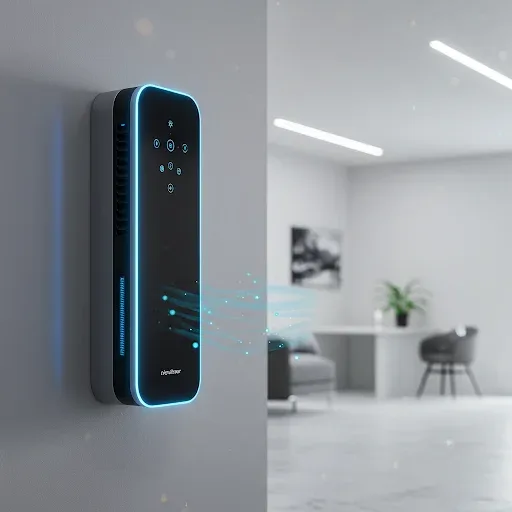
High-end smart air purifiers combine HEPA + activated carbon + UV-C + Ionizer in a single unit, capturing over 99.97% of PM2.5 particles. Pros: excellent filtration of dust and allergens, auto-adjusts fan speed based on air quality, quiet Sleep Mode under 30dB, app and Smart Home integration. Cons: high upfront cost, filter replacement every 6-12 months, limited coverage per unit.
2. Robot Vacuum with HEPA Filter
Next-generation robot vacuums use Lidar navigation with HEPA filters for effective fine dust capture. Popular models include Roborock S8 Pro Ultra, iRobot Roomba j9+, and Ecovacs X2 Omni. They support scheduled cleaning, voice commands, and Smart Home integration. Pros: consistent automated cleaning, reduces dust disturbance, connects to HA. Cons: higher price for quality models, requires regular maintenance.
3. Electric Dust Curtain
Electrostatic or electromagnetic dust curtains installed at doors and windows block outdoor PM2.5 from entering. They can be controlled via app or Smart Home, and set to close automatically when outdoor PM2.5 spikes. Pros: blocks pollution at the source, no filter replacements, durable. Cons: requires professional installation, effectiveness depends on fabric density.
4. Nano Fog Machine
Nano fog machines increase indoor humidity, causing airborne dust particles to fall to the floor faster. Must use purified or RO water. Pros: affordable, temporarily effective dust reduction, improves dry air comfort. Cons: dust falls to floor and still needs cleaning, requires pure water, excess humidity risks mold growth.
5. Nano Anti-Dust Coating
TiO2 or nano-coating applied to floors and walls prevents dust accumulation and provides antibacterial properties. Pros: lasts 1-3 years, reduces cleaning frequency, antibacterial protection. Cons: expensive, must be applied by professionals, does not filter airborne particles.
Choosing the Right Technology for Your Home
For small homes or condos, a smart air purifier combined with a robot vacuum is the most effective and practical starting point. Medium to large homes benefit from adding electric dust curtains and nano coating. Homes with children or pets should prioritize premium HEPA purifiers and advanced robot vacuums. HappySmart offers consultation and full installation of the right combination for your home.