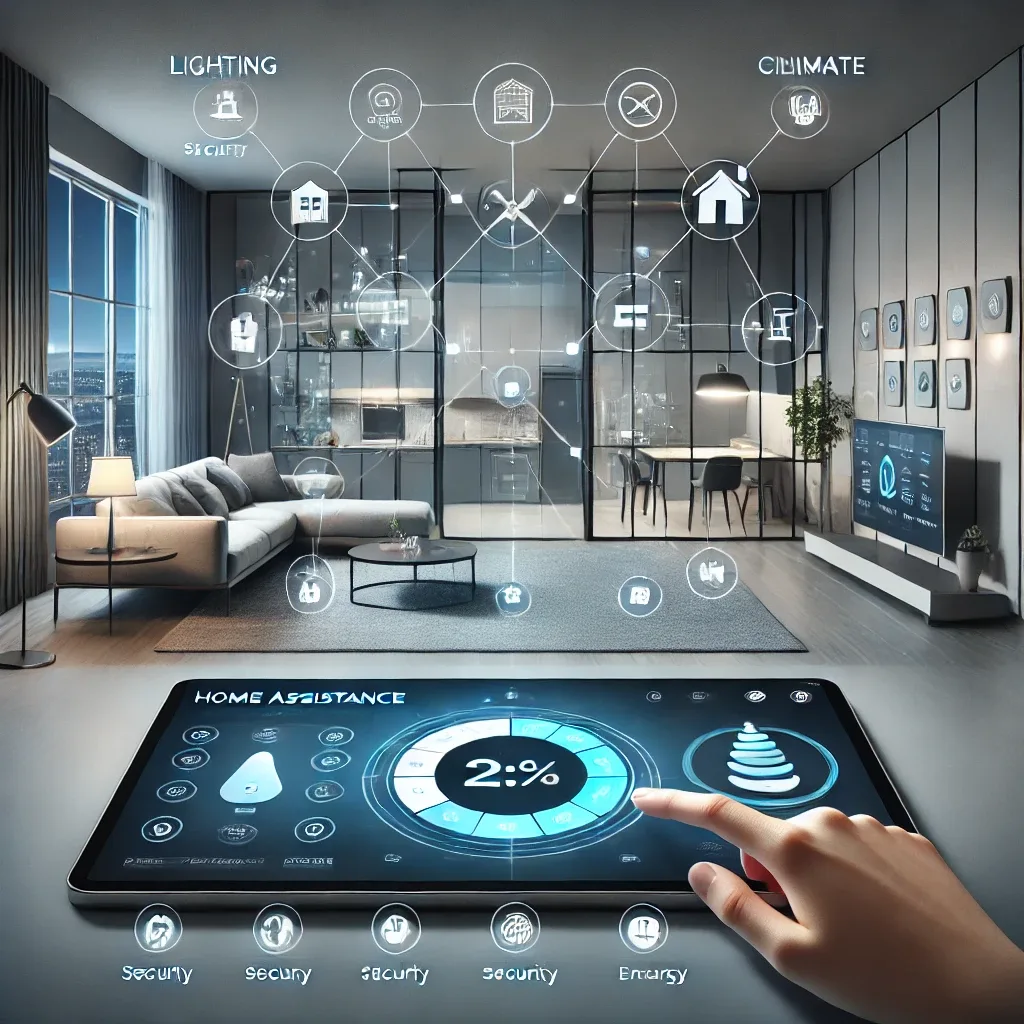
Why Has Home Assistant Become the Go-To Smart Home Platform?
When smart home devices come from hundreds of different brands, each with its own app, managing them becomes a daily frustration. Home Assistant solves this with a single hub that integrates over 3,000 devices from every major brand — Philips Hue, Xiaomi, Nest, Sonos, and beyond.
What truly sets Home Assistant apart is its open-source nature and continuous community development. Thousands of developers worldwide contribute new features monthly. Most importantly, all data stays on your local network — never sent to external servers — offering privacy levels that cloud-dependent platforms simply cannot match.
Core Features That Make Home Assistant Complete
Multi-brand device support means you never have to discard existing equipment. Simply integrate it with Home Assistant and control everything from one interface. The powerful automation engine lets you define rules: turn on lights when you arrive home, shut off the air conditioner when no one is in the room, or send a notification when the front door opens.
Home Assistant's Dashboard is fully customizable — design your control panel to show exactly the information and buttons you need, organized by room or zone. The Home Assistant Companion app for iOS and Android keeps full control in your pocket wherever you go.
How Home Assistant Enhances Home Security
Home Assistant's notification system can send app alerts, emails, or SMS messages when predefined events occur — motion detected while the house is empty, smoke sensor triggered, or an unusual device state change. Integration with CCTV cameras provides instant live-view access from anywhere.
For homes with children or elderly residents, presence detection tracks who is in the house and adjusts automation accordingly — lowering air conditioning when a child falls asleep, or activating hallway lights when an elderly family member gets up at night.
Cutting Energy Bills With Home Assistant
Home Assistant's built-in Energy Management dashboard monitors the real-time power consumption of every connected device. Users can identify the highest energy consumers and set automations to reduce unnecessary usage — combined with smart scheduling, this typically delivers measurable electricity savings.
As Thailand's electricity rates continue to rise, Home Assistant represents a strong return on investment. Users typically report 15-25% reductions in electricity bills after implementing comprehensive automation routines.
Voice Control and AI Integration
Home Assistant integrates natively with Google Assistant and Amazon Alexa for voice control of every device in the home. Recent development versions also support on-device Large Language Models, making natural language commands increasingly intuitive. HappySmart's specialists are ready to help plan and install Home Assistant systems tailored to Thai home environments.