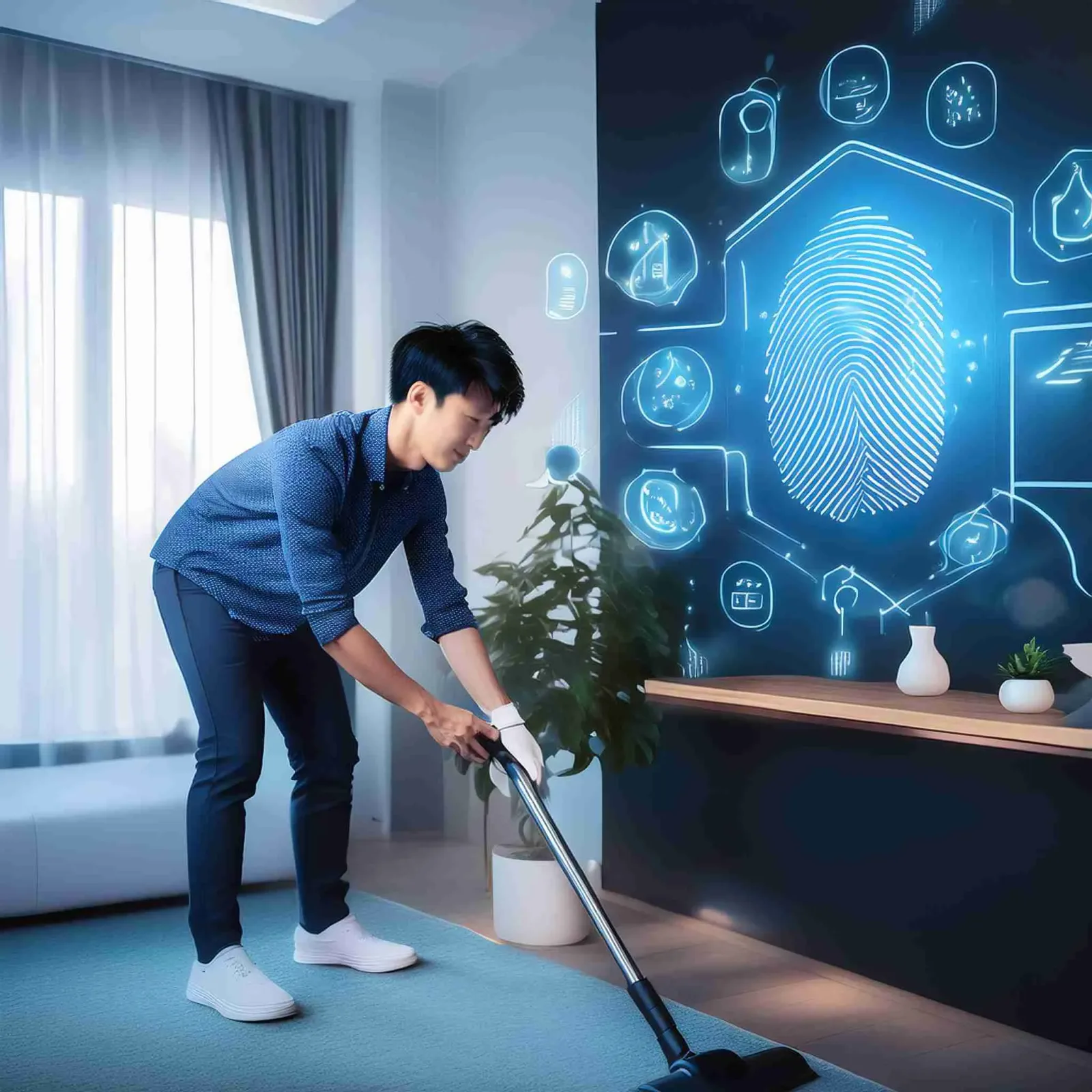
The Connection Between Home Environment and Mental Health
Environmental psychology research consistently shows that a sense of control over one's immediate environment is a significant contributor to wellbeing. A home that demands repeated low-level decisions and checks throughout the day creates accumulated cognitive load — the mental cost of tracking and managing small tasks that, individually, seem insignificant but collectively drain attention and energy.
A well-designed smart home system addresses this directly by moving routine decisions out of conscious awareness and into automated responses.
Reducing Security Anxiety
One of the most common low-level sources of daily stress is uncertainty about home security. Whether the front door is locked. Whether the gas valve was turned off. Whether anyone entered while you were away.
A smart lock such as the Aqara U100 connected to HomeKit lets you check lock status from anywhere and receive an instant notification whenever the door opens or closes. AI-powered cameras like the EZVIZ BC1C or TP-Link Tapo C420S2 send push alerts only when a person is detected, filtering out false triggers from passing vehicles or animals. This reduces the alert fatigue that poorly configured security systems introduce — anxiety of a different kind.
The peace of mind that comes from reliable, verifiable home security is the benefit HappySmart clients mention most consistently in follow-up conversations after installation.
Reducing Decision Fatigue from Routine Tasks
Household maintenance tasks are rarely physically demanding. The cognitive weight comes from having to remember, decide, and act on them repeatedly. Psychologists call this decision fatigue — the measurable reduction in decision quality that accumulates throughout a day of repeated small choices.
Automation that removes these repeated decisions delivers genuine mental relief. Lights that turn on when you enter a room and off when you leave. Air conditioning that adjusts to the right temperature based on occupancy. A single button press before leaving home that handles lights, climate, and security simultaneously. Each automation eliminates one more recurring decision from the daily queue.
Better Sleep Through Light and Temperature Control
Sleep quality has a direct and well-documented relationship with mental health. Two environmental factors in the bedroom have the largest impact: lighting and temperature.
Smart lighting that automatically shifts to warm, dim settings after 9pm supports natural melatonin production without requiring any manual action. Smart air conditioning that targets 25-26°C in the bedroom during sleep hours — triggered by an mmWave sensor confirming occupancy — maintains the thermal conditions most conducive to uninterrupted sleep. These automations cost nothing to run once configured, and their compound effect on sleep quality and daily mood is meaningful.
Smart Homes and Caregiving Households
Families with elderly members or young children carry an elevated background level of safety concern that affects everyone's mental state. Fall detection systems for elderly relatives, sensors that alert when a child approaches restricted areas, and smart plugs that cut power to high-heat appliances after use all reduce the vigilance burden that family members would otherwise carry constantly.
The return on investment from these systems is not measured in electricity savings. It is measured in the reduction of background worry that allows family members to be more present with each other.