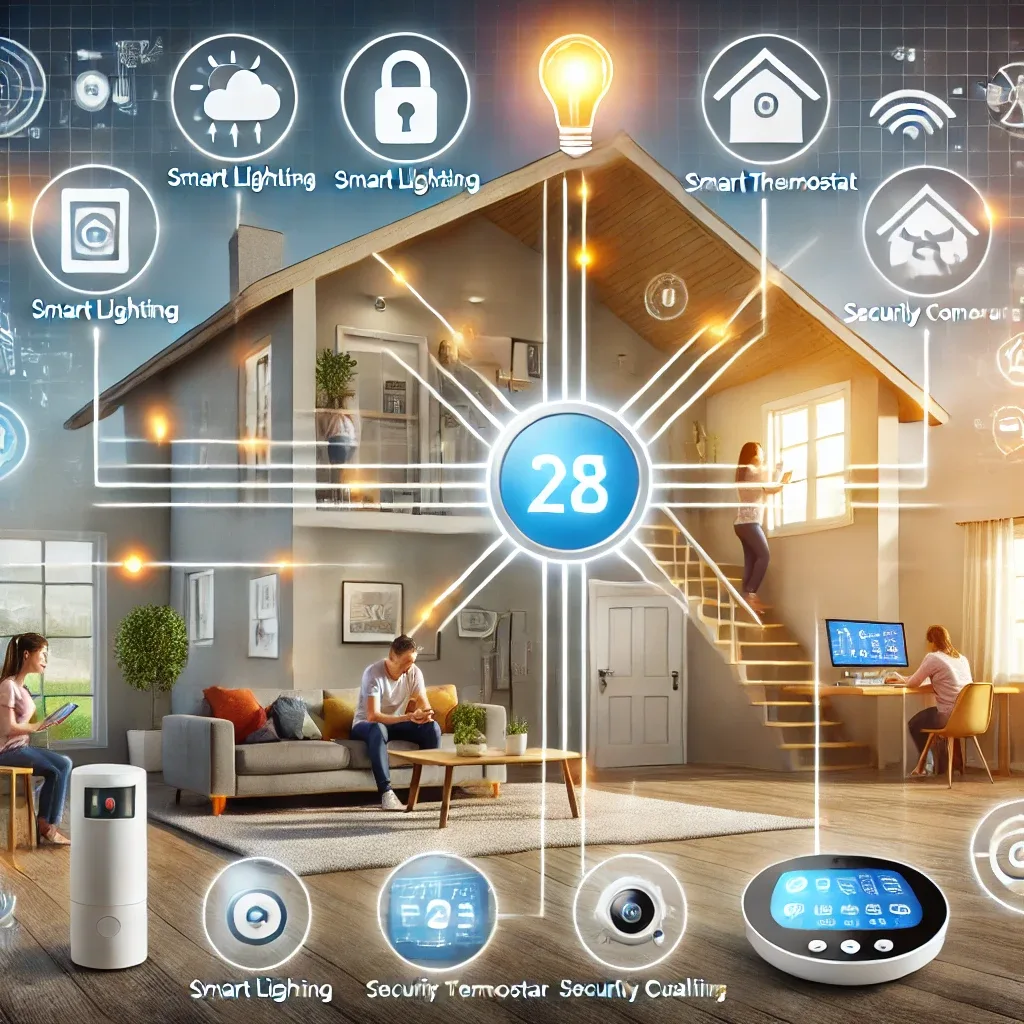
Smart Home Shifts from Reactive to Proactive
A true modern Smart Home operates proactively — it does not wait for problems to occur before responding. IoT devices connected through Home Assistant form a comprehensive health and safety network, from the air quality you breathe to life-threatening emergency detection.
For Bangkok families facing PM2.5 pollution, intense humidity, and residential security concerns, Smart Home provides a more integrated solution than addressing each problem independently.
Positive Air Pressure Devices and Air Quality Control
One of the most effective innovations for homes dealing with PM2.5 is the Positive Air Pressure Device (PAPD) system, which maintains slightly higher indoor air pressure than outdoor. This pressure differential prevents dust and allergens from infiltrating through door and window gaps.
Combined with HEPA H13 air purifiers and ERV controlled by Home Assistant, the home becomes a clean air zone even when Bangkok AQI exceeds 150. Real-time sensing and response makes this system far superior to manually operating air purifiers, which typically react after occupants have already been exposed.
Security Detection and Alert Systems
Smart Security in Home Assistant integrates multiple sensor types. Intelligent smoke detectors not only sound loud alarms but send instant smartphone notifications, automatically unlock Smart Locks for evacuation, and activate cameras to record events.
Gas Leak Detectors monitoring LPG and other gases automatically close Smart Valves (if installed) when levels exceed safety thresholds, activate emergency ventilation fans, and alert family members. Flood Sensors under washing machines, kitchen sinks, or other risk areas warn before damage spreads — enabling early intervention that prevents costly structural damage.
Elderly Care and Fall Detection
As Thailand's population ages, Smart Home plays a critical role in home-based elderly care. Motion sensors positioned in bedrooms, bathrooms, and kitchens track normal movement patterns. Unusual inactivity during expected activity periods triggers immediate family alerts.
Fall Detection via IoT-connected wearables uses high-precision accelerometers to identify falls. Upon detection, the system automatically calls family members, activates cameras to assess the situation, and can dispatch emergency services if pre-configured. Emergency Call Buttons on smartwatches or wall-mounted devices provide additional manual override for immediate assistance.
Remote Monitoring and Distance Control
For working parents who need to monitor children or elderly relatives at home, Remote Monitoring through Home Assistant provides real-time visibility. IP cameras connected to HA stream live video to smartphones anywhere in the world via secure VPN.
Remote device control — turning off a forgotten stove, unlocking the door for a repair technician, or checking whether windows are closed before a storm — is handled through the HA Companion App on iOS and Android, secured with End-to-End Encryption for every command.