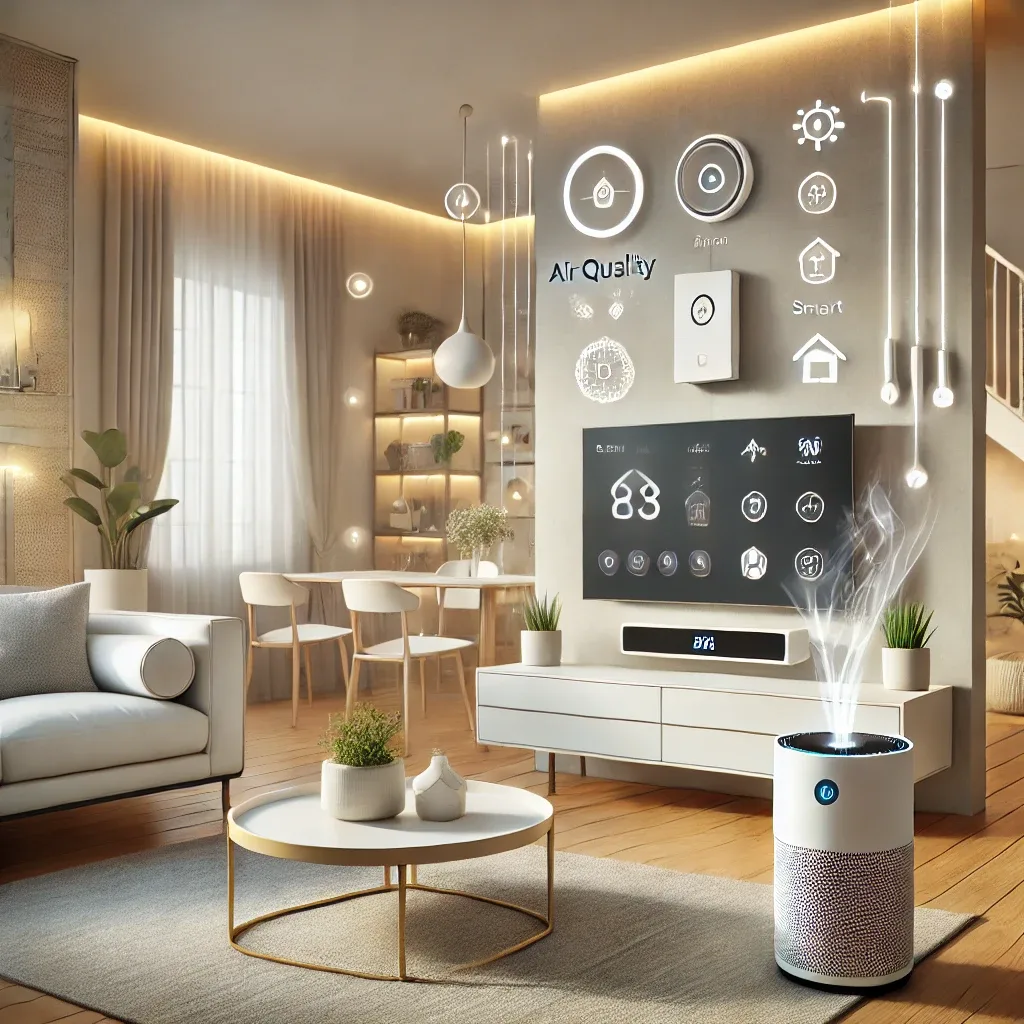
How IoT Transforms Home Healthcare
Traditional healthcare required waiting for a doctor's appointment. IoT enables continuous health monitoring at home. Data once only measurable in hospitals — heart rate, SpO2, blood pressure, sleep quality — can now be tracked in real time and automatically fed to a Home Assistant dashboard or a smartphone healthcare app.
Home Health Monitoring IoT Devices
Heart Rate and SpO2 monitors: Wearables like Apple Watch, Garmin, or Xiaomi Mi Band sync health data to a database and integrate with Home Assistant to trigger alerts when heart rate spikes or SpO2 drops below a threshold.
Bluetooth blood pressure monitors: Wi-Fi or Bluetooth-enabled models auto-sync readings into Home Assistant for long-term trend tracking and abnormal value alerts — particularly valuable for those with hypertension risk.
Sleep quality systems: Under-mattress sensors like Withings Sleep Analyzer or Sleepiz measure sleep stages, heart rate, and movement. Data guides optimizations such as lowering bedroom temperature by 1°C to increase deep sleep duration.
IoT Health Systems for Elderly Care
The elderly benefit most from home IoT. Key recommended systems include: mmWave Radar-based Fall Detection in bathrooms and hallways that detects falls without requiring a wearable; smart medication dispensers with alerts and medication logs; bed occupancy sensors verifying the elderly resident has woken; and emergency buttons sending instant LINE alerts to family upon press.
Air Quality: The Health Factor Often Overlooked
Indoor air quality directly and measurably impacts health. IoT addresses this through PM2.5 sensors triggering air purifiers automatically, CO2 sensors activating exhaust fans above 1,000 ppm (elevated CO2 causes drowsiness and reduced focus), VOC sensors detecting chemicals from furniture and wall paint, and humidity sensors maintaining 40–60% to reduce pathogen transmission.
AI + IoT: Intelligent Health Data Analysis
Integrating AI with IoT health data enables pattern recognition humans typically miss: correlations between bedroom CO2 levels and sleep quality, alerts for continuously rising blood pressure trends before reaching critical levels, and changes in elderly activity patterns that may signal illness.
Home IoT health monitoring does not replace physicians — it augments preventive care, detecting warning signs earlier, reducing emergency hospitalizations, and improving quality of life for everyone in the household.