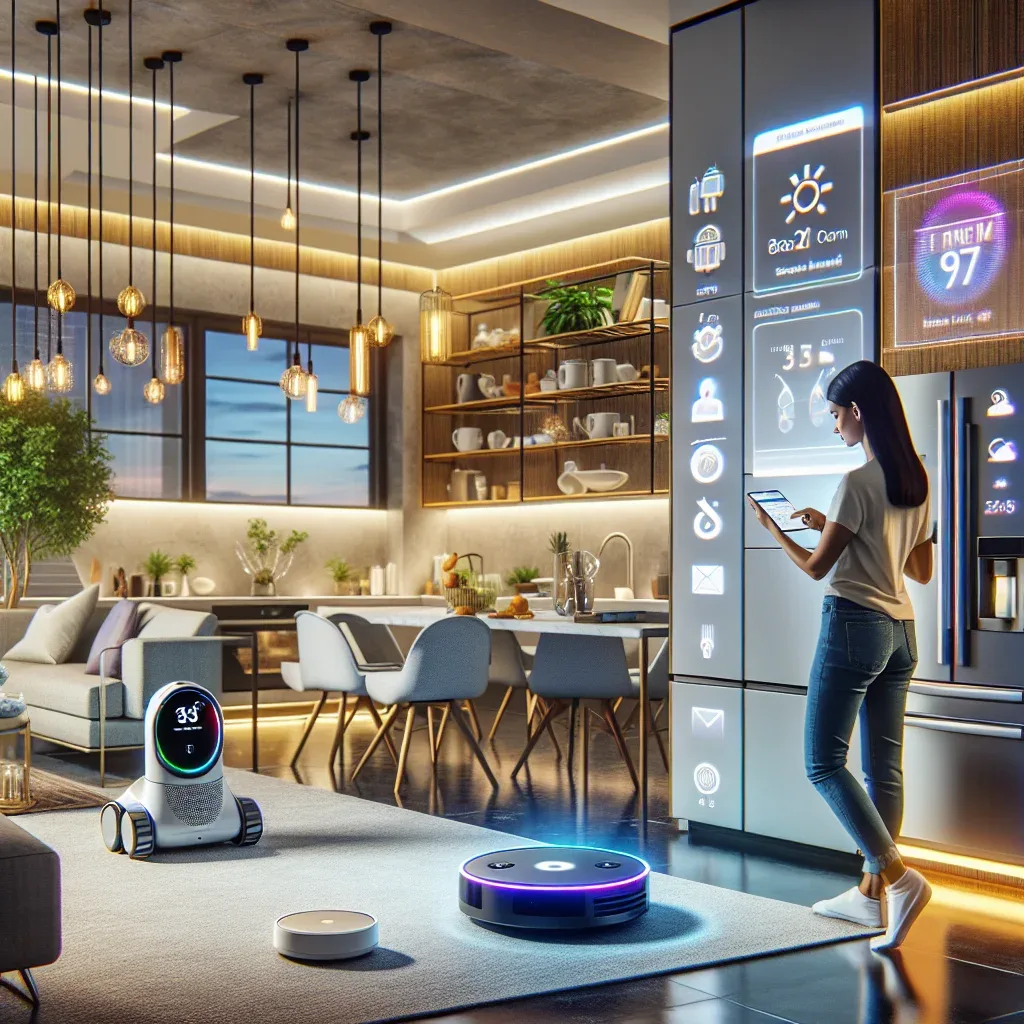
Smart Home and Quality of Life in 2026
Smart home technology has evolved far beyond convenience. In 2026, it forms a direct layer of infrastructure that measurably improves health, safety, and overall wellbeing — especially in Thailand's context of high humidity, recurring PM2.5 pollution events, and a smartphone-first lifestyle.
Health Impact: Monitor and Prevent Before You Get Sick
Modern smart home systems track environmental health indicators in real time. Air quality sensors measuring PM2.5, CO2, and TVOC connected to Home Assistant can automatically activate air purifiers when thresholds are exceeded — critical during northern Thailand's smoke season or Bangkok's high-AQI days.
For elderly residents and patients, AI-powered fall detection via Frigate NVR cameras or millimeter-wave radar sensors (mmWave) can detect a fall and trigger an alert instantly. Smart sleep trackers like the Withings Sleep Analyzer measure sleep cycles, breathing patterns, and heart rate to flag issues such as sleep apnea, enabling early intervention.
Safety Impact: Multi-Layer Protection
Smart home security in 2026 operates across multiple layers: AI object detection cameras (Frigate on Home Assistant) that distinguish people from animals to reduce false alarms; smart locks supporting PIN, fingerprint, and NFC for keyless entry; and one-touch emergency automations that activate all lights and send alerts simultaneously.
For families with young children, Zone Monitoring in Home Assistant can send alerts when a child enters a danger zone — near a swimming pool or staircase — significantly reducing accident risk.
Comfort and Energy Savings
Automated temperature and lighting control directly affect daily comfort. Adaptive Lighting adjusts color temperature throughout the day — cool 6,500K in the morning for alertness, warm 2,700K in the evening to support natural melatonin production — improving sleep quality over time.
For energy savings, Home Assistant's Smart Energy Management combined with smart plugs (NOUS A1T or Shelly PM) detects standby consumption and cuts power automatically. Thai Home Assistant community members report 15–25% monthly electricity bill reductions.
Impact on Elderly and Special-Needs Residents
Thailand's aging population is growing steadily. Smart home technology enables greater independence for elderly residents through voice control (Google Home, Amazon Alexa, Apple HomeKit), medication reminder alerts, and automated vital-sign monitoring. These systems reduce caregiver burden while maintaining dignity and safety.
Conclusion
Smart home technology in 2026 delivers measurable quality-of-life improvements across health, safety, and comfort. Investment in a smart home is no longer a luxury — it is a long-term investment in health, safety, and sustainable living.