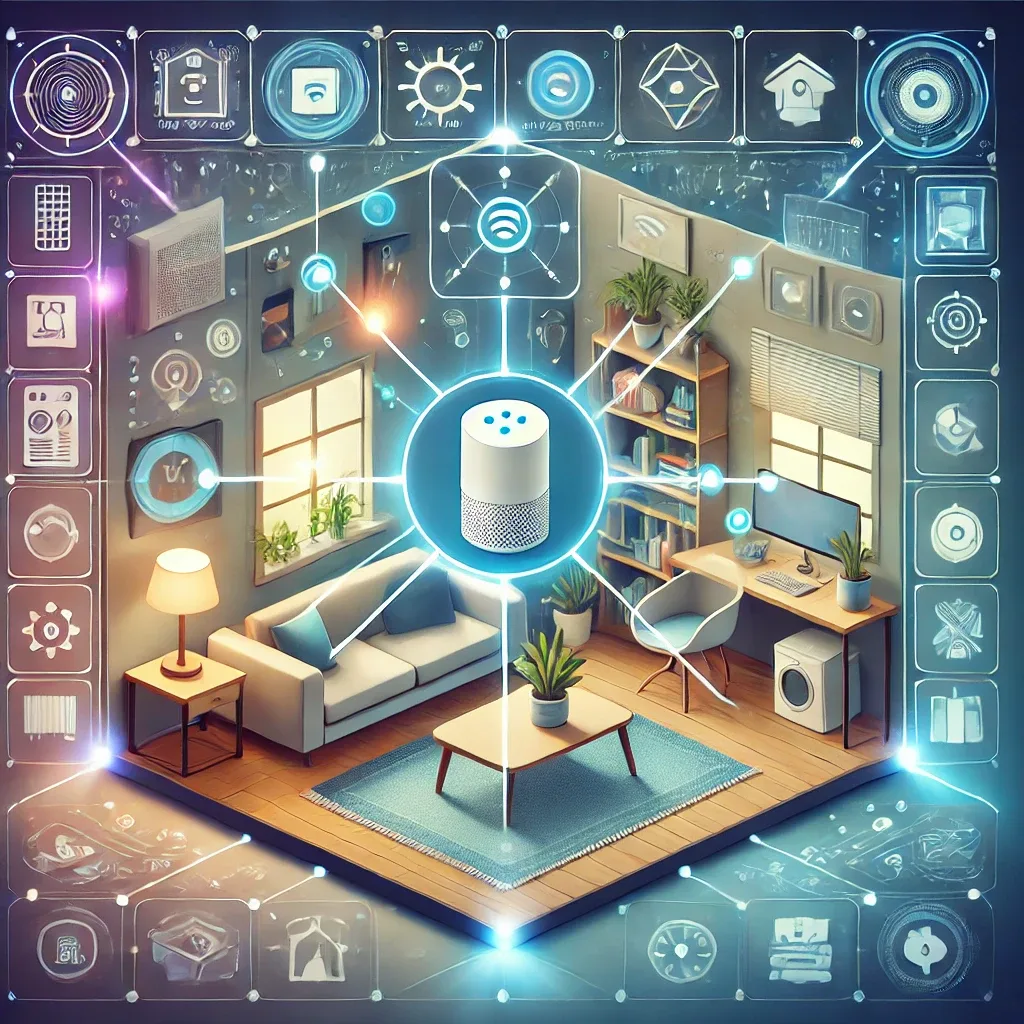
Why Smart Home Systems Matter in Daily Life
As IoT (Internet of Things) technology advances rapidly, Smart Home systems have fundamentally transformed how we live. Beyond mere convenience, these systems simultaneously elevate quality of life, security, and energy efficiency. Devices throughout the home communicate over the internet, turning a house into a coordinated digital ecosystem where every component works in harmony.
Connecting Devices Through IoT
The heart of any Smart Home is IoT-based device integration. Smart CCTV cameras detect motion and send instant alerts to smartphones, while Smart Locks enable remote door control without physical keys. Philips Hue and Xiaomi deliver intelligent lighting that adapts to mood and activity, while Google Nest serves as a voice-controlled hub for natural command interaction.
For Apple users, HomeBridge serves as an essential bridge, connecting non-HomeKit devices to the Apple Home ecosystem so Siri can control virtually any smart device seamlessly. Home Assistant and HomeBridge together create an open, extensible platform that accommodates hundreds of device brands under one roof.
Energy Management and Smart Grid Integration
One of the most tangible benefits of Smart Home technology is intelligent energy management. Real-time electricity monitoring shows exactly which appliances consume the most power. Smart Plugs automatically cut power to devices in standby mode, which typically accounts for 10-15% of total household electricity consumption.
Smart Grid connectivity allows the home to identify off-peak electricity pricing periods and defer high-consumption appliances — such as washing machines or dishwashers — to those cheaper times. In Bangkok, where electricity rates vary between peak and off-peak hours, this optimization can deliver meaningful monthly savings on utility bills.
Automation for Security and Comfort
Automation in platforms like Home Assistant creates routines that respond intelligently to resident behavior. When sensors detect no presence for more than 30 minutes, the system automatically turns off lights, adjusts air conditioning, and activates security mode. Upon return, the door unlocks, lights turn on, and temperature adjusts to preferred settings — all without touching a button.
Time-based triggers add another layer of intelligence: curtains open automatically at sunrise, hallway lights activate on motion detection at night, and parents receive notifications when children arrive home from school. These automations reduce cognitive load and eliminate forgotten tasks.
Smart Home for Thai Families
For Thai families in Bangkok and major cities, Smart Home systems address the demands of busy urban lifestyles exceptionally well. Remote monitoring via smartphone allows working parents to supervise children and elderly relatives at home — a critical capability in households where both partners work outside.
While the initial investment is higher than conventional home setup, long-term benefits make Smart Home compelling: energy savings typically run 20-30%, insurance premiums may decrease with enhanced security systems, and predictive maintenance extends appliance lifespan. The combined effect delivers a return on investment within 3-5 years for most Thai households.