The Limits of Off-the-Shelf Smart Home Software
Platforms like Mi Home and Tuya work well for straightforward setups. Once a home runs devices from multiple manufacturers, creating a seamless experience with ready-made software alone becomes impractical.
A common scenario is a home with EZVIZ cameras, TP-Link Kasa lighting, and a Xiaomi smart lock — each with its own app and no native cross-platform automation. Custom software development solves exactly this problem.
The Custom Development Approach
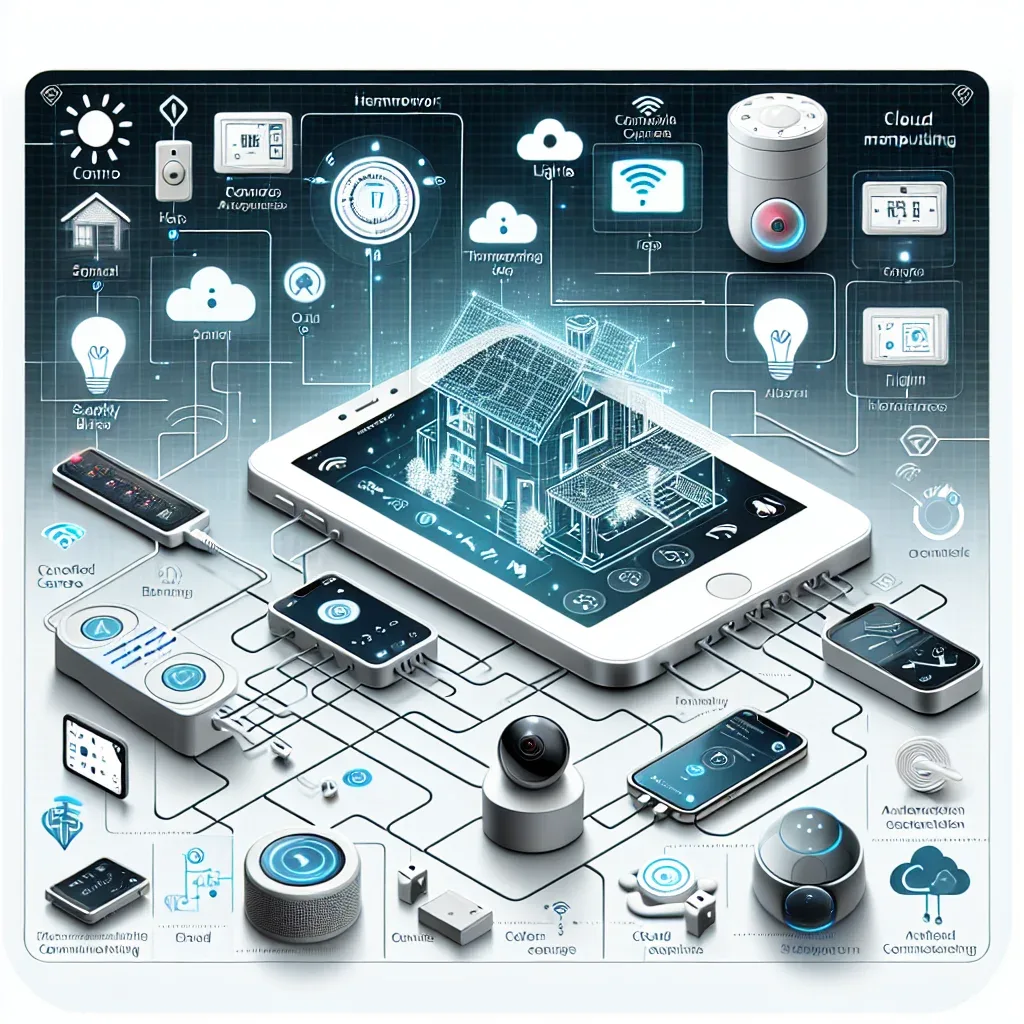
In 2026, smart home custom development typically starts with Home Assistant on a Raspberry Pi 5 as the central orchestration layer. Custom integrations then connect the Tuya Cloud API, Mi Home Cloud, and HomeKit, bringing all devices under a single unified logic engine.
For projects requiring higher flexibility, teams often use Node-RED to build visual workflows that non-technical owners can adjust, or write Python scripts communicating with an MQTT broker to receive real-time data from mmWave sensors.
What Custom Software Can Do That Apps Cannot
Bespoke development unlocks sophisticated, property-specific features: a Scene engine that adjusts automatically based on occupancy data from mmWave sensors, Line Notify alerts when an EZVIZ camera detects motion in a specific zone, or a web dashboard showing real-time energy consumption for a condo management team.
In HappySmart's AI Interior projects, custom software connects an AI that reads natural light levels with the smart blind and smart lighting system — so ambience adjusts with time of day and weather conditions without any manual input.
HappySmart's Development Process
Every project begins with a detailed survey of existing devices and the owner's specific requirements. The team produces an architecture diagram before writing a single line of code, then develops in cycles, testing against real devices at each stage.
Once installed, the team trains owners to use and maintain the basics independently, and provides technical documentation to support future system expansion.