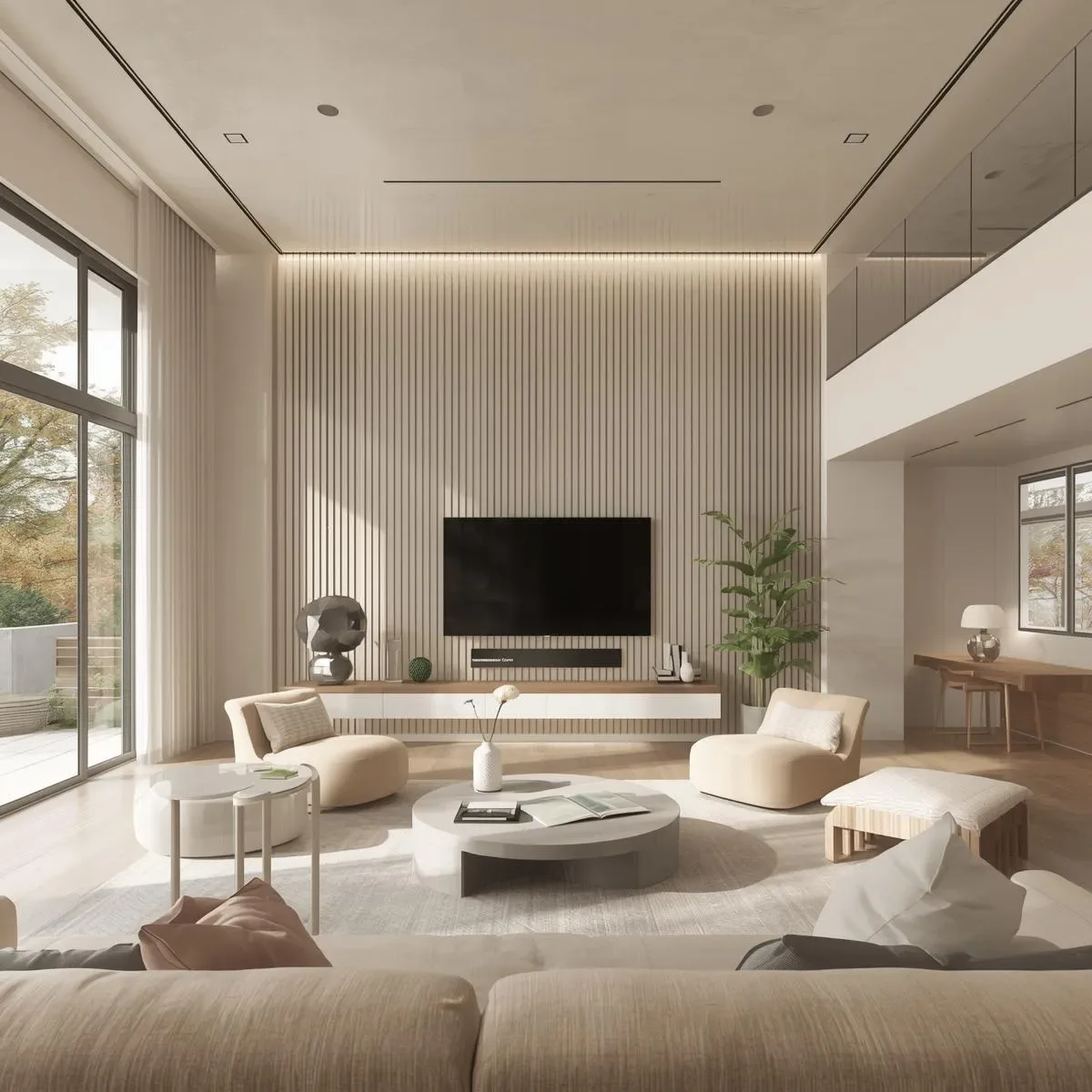
Human health is inseparable from light. The body’s master pacemaker—the suprachiasmatic nucleus (SCN)—regulates melatonin, cortisol, core body temperature, and alertness according to light signals received by intrinsically photosensitive retinal ganglion cells (ipRGC), which are most sensitive to blue-wavelength light (460–480 nm). A chronobiology-driven smart home replicates natural light cycles indoors using Tunable White LED systems controlled by IoT automation, directly supporting circadian health.
The circadian lighting protocol operates across four daily phases. Morning (06:00–09:00): Dawn Simulation gradually raises brightness from 10% to 80% with CCT climbing from 3,000K to 4,500K over 30 minutes, timing the cortisol awakening response to peak precisely at the target wake time. Daytime (09:00–17:00): full 500 lux at 5,000–5,500K cool white maximizes alertness and cognitive performance. Evening (17:00–21:00): CCT steps down to 3,000K at 50% brightness, beginning the parasympathetic transition. Night (21:00 onward): 2,200K warm amber at under 50 lux, eliminating blue-wavelength suppression of melatonin and signaling the body toward sleep.
AppDaemon on Home Assistant calculates dynamic CCT and brightness values using real-time Bangkok sunrise/sunset data, interpolating smoothly between setpoints rather than creating jarring step changes. Blue-Light Block mode activates automatically at 21:00—reducing all screen backlights, shifting displays to night mode via Smart Things integration, and notifying occupants via LINE OA. Bedroom Blackout mode engages at 22:30: motorized blackout blinds close, the HVAC shifts to quiet sleep mode (20°C with minimum fan speed), and all non-essential devices enter standby.
Bangkok’s equatorial position means approximately 12 hours of daylight year-round with minimal seasonal variation—yet PM2.5 episodes from March to May push residents indoors for weeks, creating light deprivation conditions. A 30-minute morning Light Therapy session at 10,000 lux (6,500K) compensates for lost outdoor light exposure on high-AQI days, maintaining circadian entrainment and vitamin D synthesis signaling. This is particularly relevant given Bangkok residents’ already-low vitamin D levels reported in Thai clinical studies.
Measurable outcomes from deployed systems include 15–20% improvement in Sleep Efficiency (measured via Oura Ring integration), 25% increase in self-reported wake satisfaction, and significant daytime alertness improvement in work-from-home occupants. For older residents, consistent circadian light entrainment reduces Sundowning Syndrome risk and supports cognitive function—a critical benefit as Thailand transitions to a super-aged society by 2030.