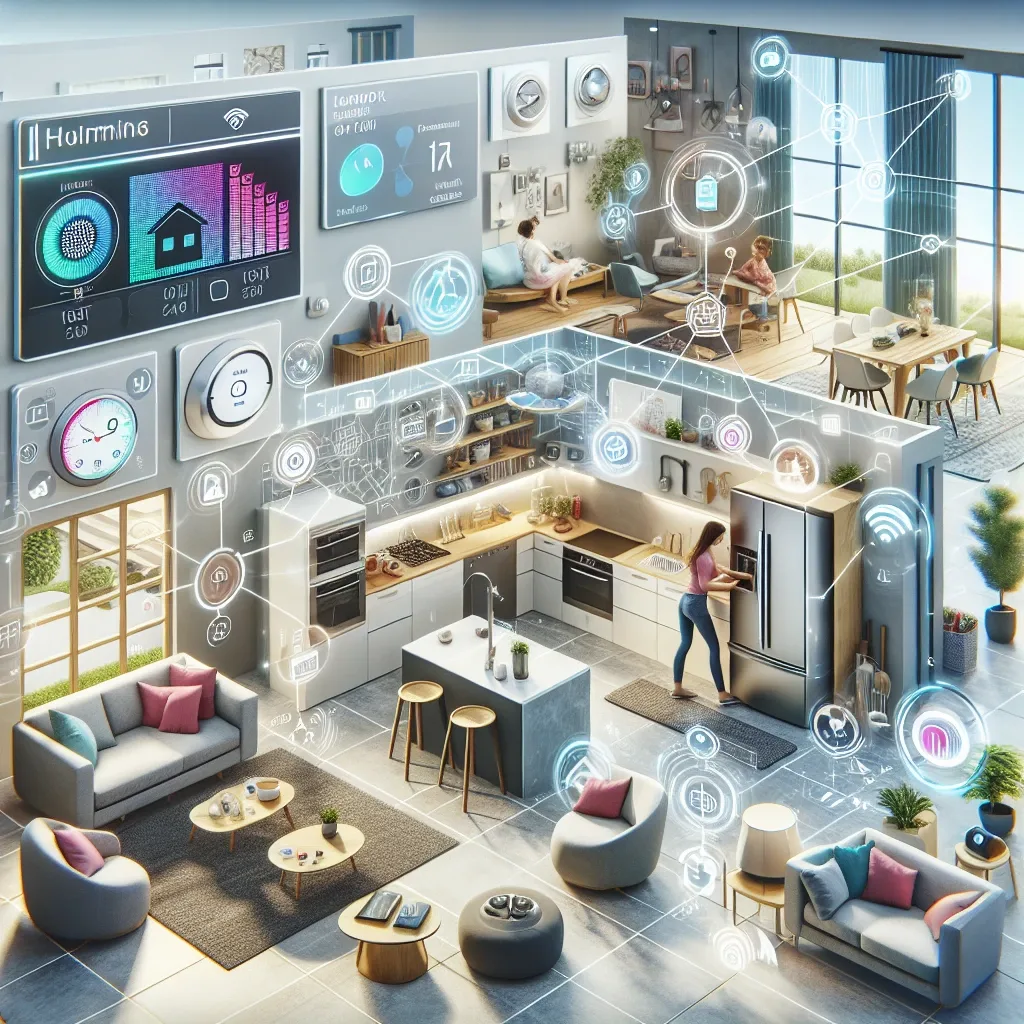
What Smart Living Means in 2026
The phrase Smart Home has moved well beyond voice-activated light switches. Smart Living in 2026 means a home that learns the patterns of its occupants and adapts automatically — reducing the small daily decisions that accumulate into cognitive load, while simultaneously improving comfort, security, health, and energy efficiency.
In Bangkok, the Smart Home market is growing at 22% year on year, driven by affluent homeowners and luxury property developers who recognise that intelligent systems have become a meaningful differentiator in a competitive market.
The Four Pillars of Smart Living
Comfort is the most immediately visible pillar. Voice control through Siri, Google Assistant, or Alexa removes the need to interact with physical switches. One-touch scenes activate coordinated settings across lights, climate, and audio. Automations run without instruction — opening curtains when sunlight reaches a threshold, running the air conditioner thirty minutes before the owner returns home, or dimming the whole house when a movie begins.
Security carries particular weight for Bangkok residences. EZVIZ AI cameras with object detection distinguish people from animals and vehicles, reducing false alerts. Smart locks tied into HomeKit allow remote access management and audit logs. Door and window sensors combined with motion detectors deliver immediate notifications when conditions change. These systems continue operating through power outages via backup battery infrastructure.
Health is the fastest-growing pillar. It encompasses real-time CO2 and PM2.5 monitoring with automated purifier responses, circadian lighting that adjusts colour temperature across the full day, and sleep environment control — temperature, humidity, and bedroom light levels managed together to support consistent, quality sleep.
Energy efficiency produces measurable financial returns. Smart plugs with per-device energy monitoring identify consumption patterns that would otherwise remain invisible. Solar panel integration routes surplus generation intelligently. EV charger management schedules charging during off-peak rate periods, cutting overnight electricity costs without any manual scheduling.
Matter 1.4: The Standard That Unifies Everything
The persistent frustration of earlier smart home installations — incompatibility between Apple HomeKit, Google Home, and Amazon Alexa — has been substantially resolved by Matter 1.4. By 2026, the standard has achieved broad manufacturer adoption, enabling Matter-certified devices to work across ecosystems without bridges or workarounds.
An Apple household can control Tuya bulbs through Siri directly. A Google Home user can operate a lock originally designed for HomeKit. This interoperability is the most significant structural shift in the smart home industry over the past five years, and it makes new installations far simpler to design and maintain.
HappySmart AI SmartHome Packages
HappySmart offers tiered packages matched to the scale and complexity of each project. The Starter Package from ฿15,000-฿25,000 covers lighting control, air conditioning integration, and basic camera installation. The Comfort Package from ฿30,000-฿50,000 adds full air quality management, smart lock integration, and advanced automation. For larger residences, holiday villas, and luxury development units, the Complete Villa Package from ฿80,000 upward covers all systems including energy management and outdoor integration.