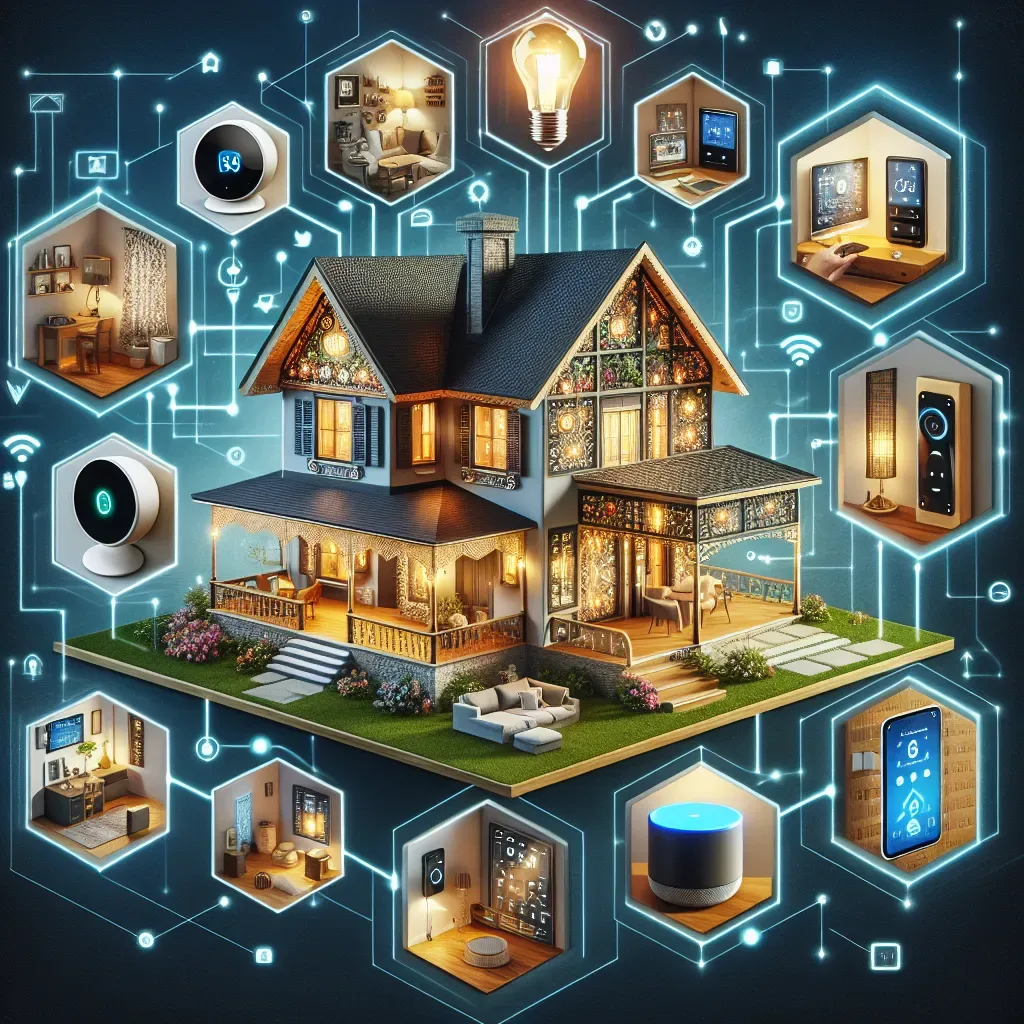
What a Smart Home Actually Is
A smart home is a residence where devices connect through an internet network, communicate with each other, and operate automatically. Lights, power outlets, security cameras, smart locks, and air conditioners all become controllable from a single smartphone.
In 2026, the Matter 1.4 standard means devices from Xiaomi, TP-Link, and EZVIZ can coexist in the same HomeKit or Google Home ecosystem without separate apps for each brand.
Tangible Benefits in Daily Life
Convenience is usually the first benefit owners notice. Setting a Scene that dims bedroom lights automatically at 10 p.m., or having the air conditioner switch on the moment an mmWave sensor detects someone entering a room, eliminates wasted energy without any daily effort.
On the security side, EZVIZ cameras with real-time motion alerts combined with a smart lock that logs every entry give Bangkok homeowners — and those with weekend houses in Hua Hin or Khao Yai — full visibility from anywhere in the world.
The Best Place to Start
For households with no smart devices yet, HappySmart recommends beginning with high-frequency, high-impact items: smart switches and smart plugs, starting from ฿1,599, compatible with both Mi Home and Tuya.
Before purchasing any device, confirm it supports the Matter standard or HomeKit. That one check ensures your system can grow over time without having to start from scratch.
Planning Before Installing Is Everything
Converting a home without a plan typically results in incompatible devices from multiple brands that refuse to work together. HappySmart designs systems from the ground up — analyzing the property's structure, existing electrical layout, and the owner's priorities — to select the right devices and platform from day one.
This step takes little time but saves considerable cost in troubleshooting and device replacements later.