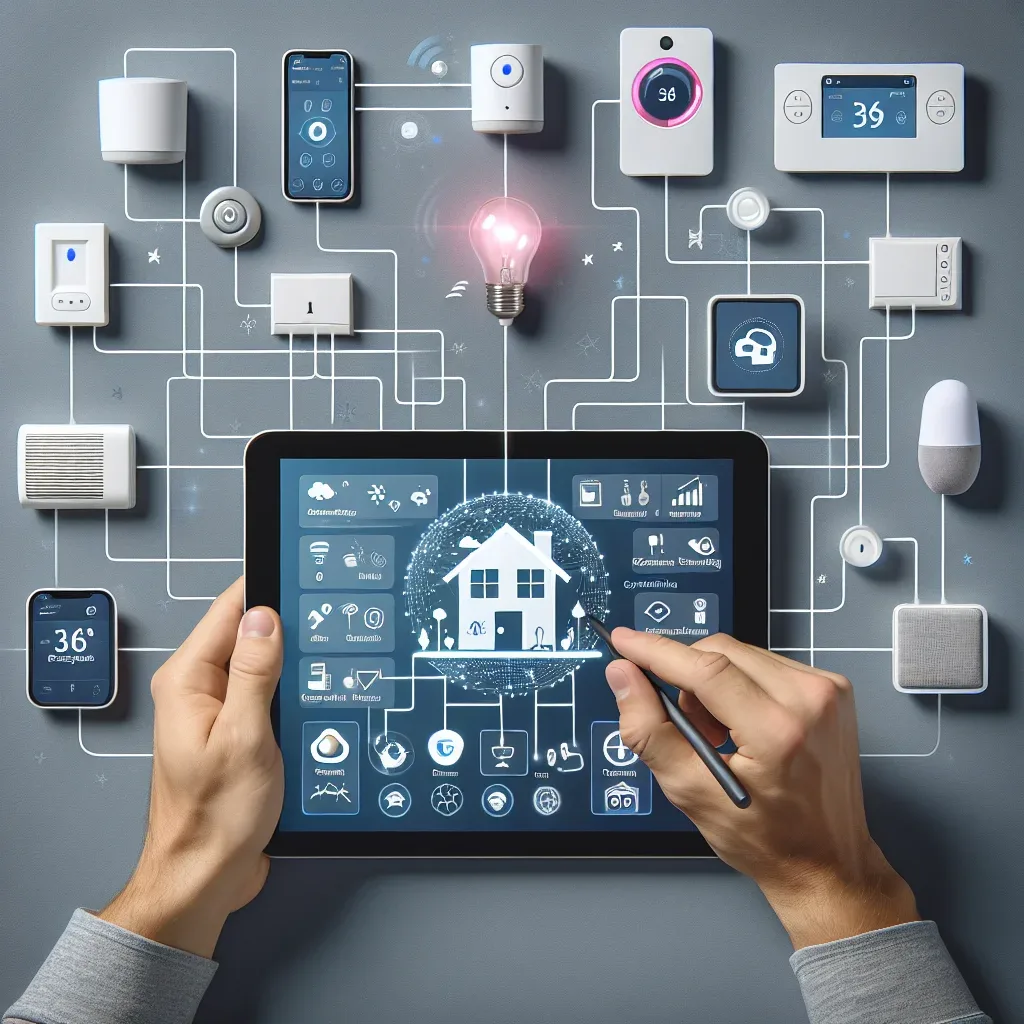
What Is Home Assistant and Who Is It For
Home Assistant is an open-source smart home platform supporting over 3,500 device integrations, spanning Xiaomi, TP-Link, EZVIZ, Philips Hue, and any device using Matter 1.4 or Zigbee. All of these appear in a single dashboard, controlled by a single set of automations.
For Bangkok homeowners who have accumulated devices from multiple brands — a common situation given how rapidly the smart home market has grown — Home Assistant resolves the fragmentation problem definitively. There is no monthly subscription for core features, and all data is processed locally rather than on a third-party cloud server.
The preferred hardware platform in 2026 is the Raspberry Pi 5, which runs Home Assistant OS smoothly and supports add-ons including Zigbee2MQTT, ESPHome, and Node-RED without performance issues.
The Core Advantage: Cross-Brand Automation
The most common complaint about smart home systems is app proliferation. Mi Home for Xiaomi devices, Tuya Smart for other brands, EZVIZ for cameras, Apple Home for HomeKit accessories. Home Assistant eliminates this immediately.
More significantly, it enables cross-brand automation that no individual ecosystem can offer. A Tuya door sensor opening can trigger an EZVIZ camera to record, push a notification via Line Notify, and switch off a Xiaomi air conditioner in the adjacent room — all through Home Assistant's visual automation editor, without writing a line of code.
Local Processing and Data Privacy
Cloud-based platforms transmit every device event to corporate servers. This means your household's patterns — when you wake up, which rooms you use, when you leave — are logged remotely. Home Assistant runs entirely on hardware inside your home. No data leaves unless you explicitly configure remote access.
For premium residences with security cameras, smart locks, and health sensors, local processing is not an edge case preference. It is a reasonable expectation for the level of privacy that high-value properties should provide.
HomeKit Integration via HomeBridge and Matter
iPhone users who want all devices visible in Apple's Home app have two paths. HomeBridge, available as a Home Assistant add-on, exposes non-HomeKit devices as if they were native HomeKit accessories.
With Matter 1.4, this workaround becomes less necessary. Matter-certified devices can pair simultaneously with Home Assistant and Apple Home, appearing natively in both without any bridging software. HappySmart specifies Matter 1.4 devices wherever available in new installations.
Investment and Running Costs
Hardware cost for a Home Assistant setup is a Raspberry Pi 5 at approximately ฿2,500 to ฿3,500, plus a fast microSD card or external SSD. There is no mandatory subscription. Home Assistant Cloud, at $6.50 per month, provides convenient remote access without VPN configuration — useful for owners managing properties in Hua Hin or Khao Yai remotely.
HappySmart handles complete Home Assistant installation and configuration for residential projects across Bangkok and resort destinations, including initial user training.