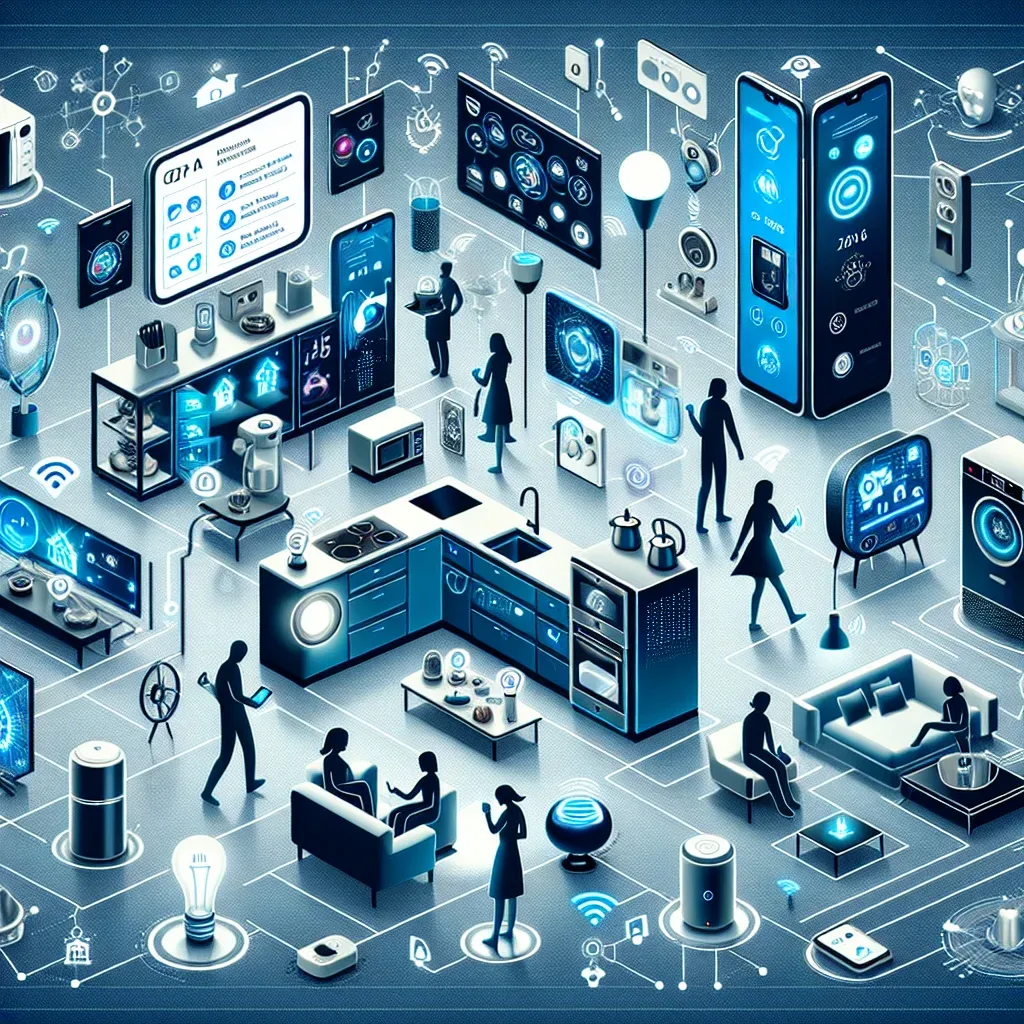
Trend 1: On-Device AI Replaces Cloud Processing
The clearest direction in 2026 is the migration of AI inference from cloud servers to the devices themselves. New EZVIZ and TP-Link camera models run object detection on built-in chips, delivering faster response and keeping all data within the home network.
This shift also means devices continue working during internet outages, reduces vendor lock-in risk, and addresses growing privacy concerns among premium home buyers — a demographic that increasingly scrutinises where their data goes.
Trend 2: Matter 1.4 Becomes the Default Standard
Matter 1.4, released in late 2025, expanded the specification to include EV chargers, home energy storage, and robot vacuum cleaners while maintaining full interoperability with HomeKit, Google Home, and Amazon Alexa.
For the Thai market, Xiaomi and Tuya's 2026 commitment to Matter 1.4 across their main product lines means buyers can freely mix brands without compatibility concerns. HappySmart has designed on Matter 1.4 from the outset, so existing client installations benefit automatically as new compatible devices enter the market.
Trend 3: mmWave Sensors Replacing PIR in Premium Installations
mmWave presence sensor pricing dropped to a level practical for mainstream premium residential projects in 2026. The ability to detect breathing and heart rate at a distance opens new possibilities for elderly care monitoring within the home without cameras.
HappySmart has been deploying mmWave sensors in high-end villa projects in Hua Hin and Khao Yai for precise occupancy verification and finer environmental control than PIR detectors can provide.
Trend 4: AI Architecture Integrated with Smart Home Planning
The design and smart home planning processes are increasingly merging into a single workflow. HappySmart's AI Architect software, developed within Vish Architect Group, generates floor plans that account for cable routing, sensor placement, and lighting zone logic from the initial design stage.
This approach eliminates costly and visually disruptive retrofitting. The smart home system becomes part of the architecture rather than something bolted on after construction — a meaningful quality difference in the finished result.