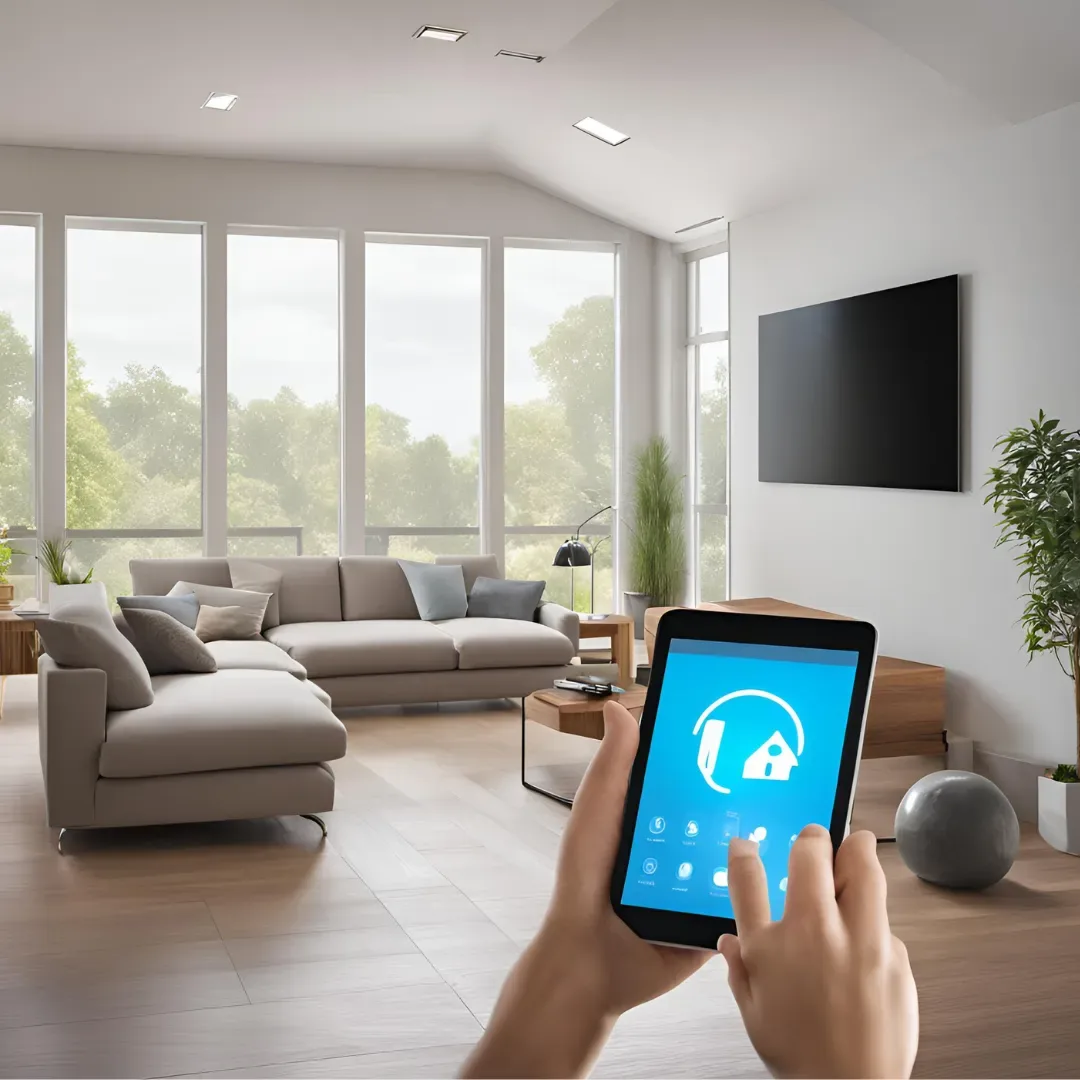
The Best Smart Home Is the One You Do Not Notice
The most effectively designed smart home system is the one whose residents feel the results without thinking about the process. Lights come on just before it feels dark. The air conditioning is already at a comfortable temperature when you arrive home. The front door locks itself ten minutes after you leave. No button presses, no app launches — the system has learned the household's patterns and responds to them.
That is the goal of smart home technology in 2026. Not remote control of appliances, but a living environment that works on your behalf.
Convenience That Reduces Mental Load
Research on cognitive load shows that small decisions accumulated throughout the day — should I turn off this light, what temperature is the AC set to, did I lock the door — create mental fatigue that quietly reduces quality of life. A well-configured smart home eliminates these micro-decisions entirely.
In practice, simple automations deliver most of this benefit. Setting the air conditioner to switch off automatically when a presence sensor detects no occupant for 20 minutes, or having bedroom lights dim gradually after 10 pm, removes friction from daily life without significant investment.
Technology Designed for Thailand's Climate
Bangkok, Hua Hin and Khao Yai have distinctly different climate profiles, and smart home systems designed for Thai conditions account for high humidity, seasonal PM2.5 pollution and significant day-to-night temperature variation.
The Xiaomi Mi Air Quality Monitor measures PM2.5, CO2 and humidity in real time and connects to Mi Home to activate air purifiers automatically when readings exceed a threshold. For Bangkok households dealing with winter PM2.5 spikes, this automation provides genuinely meaningful health benefits without requiring constant manual monitoring.
In Khao Yai homes where nights can turn unexpectedly cool, a temperature sensor linked to a ceiling fan or heating element maintains comfortable sleeping conditions without anyone needing to wake and adjust settings.
Technology That Every Household Member Can Actually Use
Good technology must be usable by everyone in the home, not just the person who installed it. HappySmart designs interfaces matched to each user group: simple one-tap controls for elderly residents unfamiliar with smartphone apps, and full dashboards for members who want granular control over every device.
Post-installation training for all household members is part of every HappySmart project, because a capable system that people do not know how to use delivers no benefit at all.