What Is PM2.5
PM2.5 stands for Particulate Matter with diameter of 2.5 microns or less — approximately 30 times smaller than a human hair. This size allows particles to bypass nasal hairs and airway membranes, penetrate directly into lung alveoli, and in serious exposure, enter the bloodstream.
The WHO safety standard is 15 µg/m³ as a 24-hour average. Multiple areas in Bangkok record levels of 80–120 µg/m³ during dust crisis periods.
Sources of PM2.5 in Thailand
Open burning and rice straw burning in northern and central Thailand are the main sources during dry season (December–March). In Bangkok, diesel vehicles, industrial facilities and construction sites are significant contributors throughout the year.
Concerningly, PM2.5 also forms indoors from cooking, gas stoves, incense, candles and VOC-emitting products.
Health Impacts
Chronic PM2.5 exposure is linked to cardiovascular disease, lung cancer, asthma and impaired brain development in children. Highest-risk groups are the elderly, children under five, and those with existing respiratory conditions.
A 2024 Chulalongkorn University study found Bangkok residents lose an average of 1.2 years of life expectancy from long-term PM2.5 exposure.
Protecting Against PM2.5 with Smart Home Technology
HappySmart installs Xiaomi Air Quality Monitor 2, which uses high-accuracy Laser Scattering to measure PM2.5, connected to Home Assistant via Mi Home Integration.
When PM2.5 exceeds 35 µg/m³, the system automatically: activates air purifiers in all rooms, boosts positive air pressure, closes unfiltered ventilation ports, and sends a phone alert with the current PM2.5 reading.
For children's bedrooms, HappySmart sets the alert threshold at 25 µg/m³ — stricter than the WHO standard — for maximum protection.
HappySmart's PM2.5 Defence Technology Stack
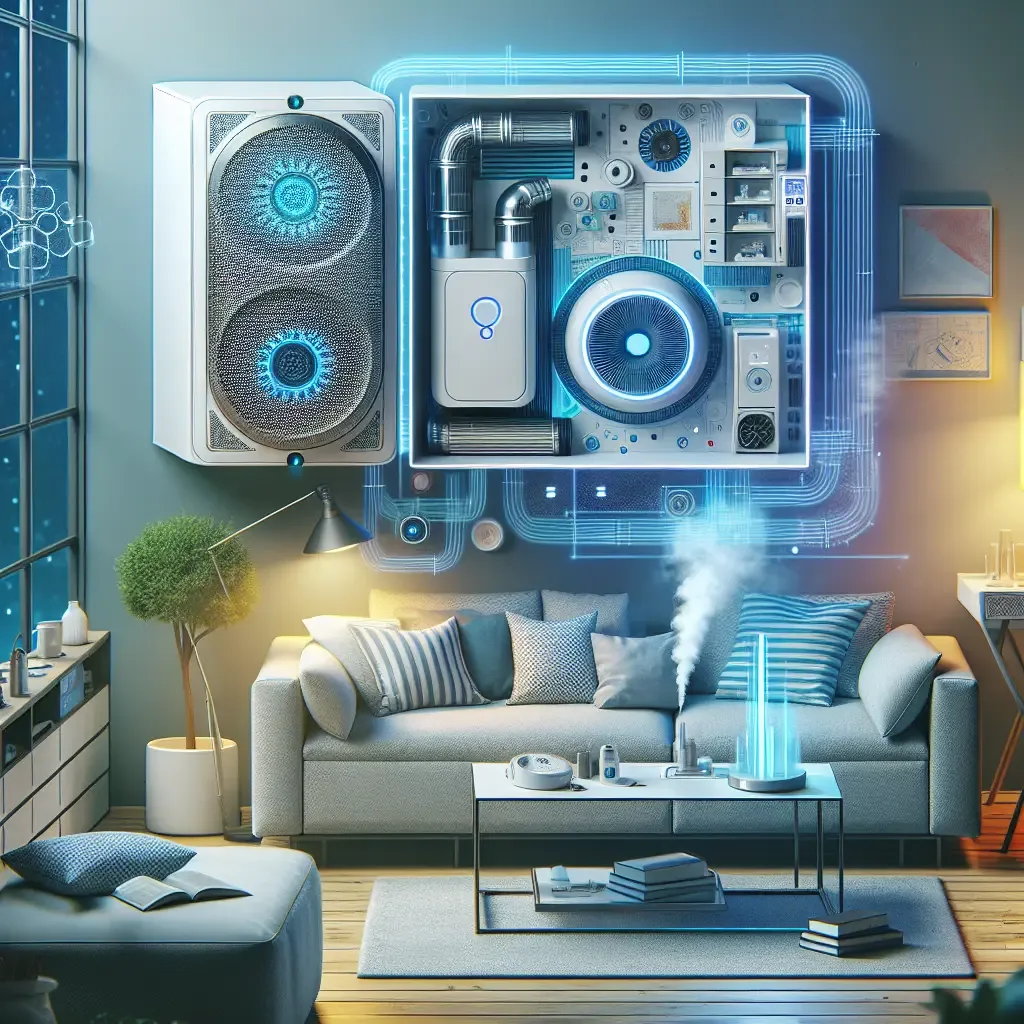
HEPA H13 filtration captures 99.97% of PM2.5 particles. ERV ventilation brings fresh air in through filtration before it enters the living space. Positive air pressure prevents outdoor infiltration. All three systems coordinate within Home Assistant.
HappySmart also installs an Air Quality Dashboard on an in-home iPad showing real-time PM2.5 readings for every room at a glance.