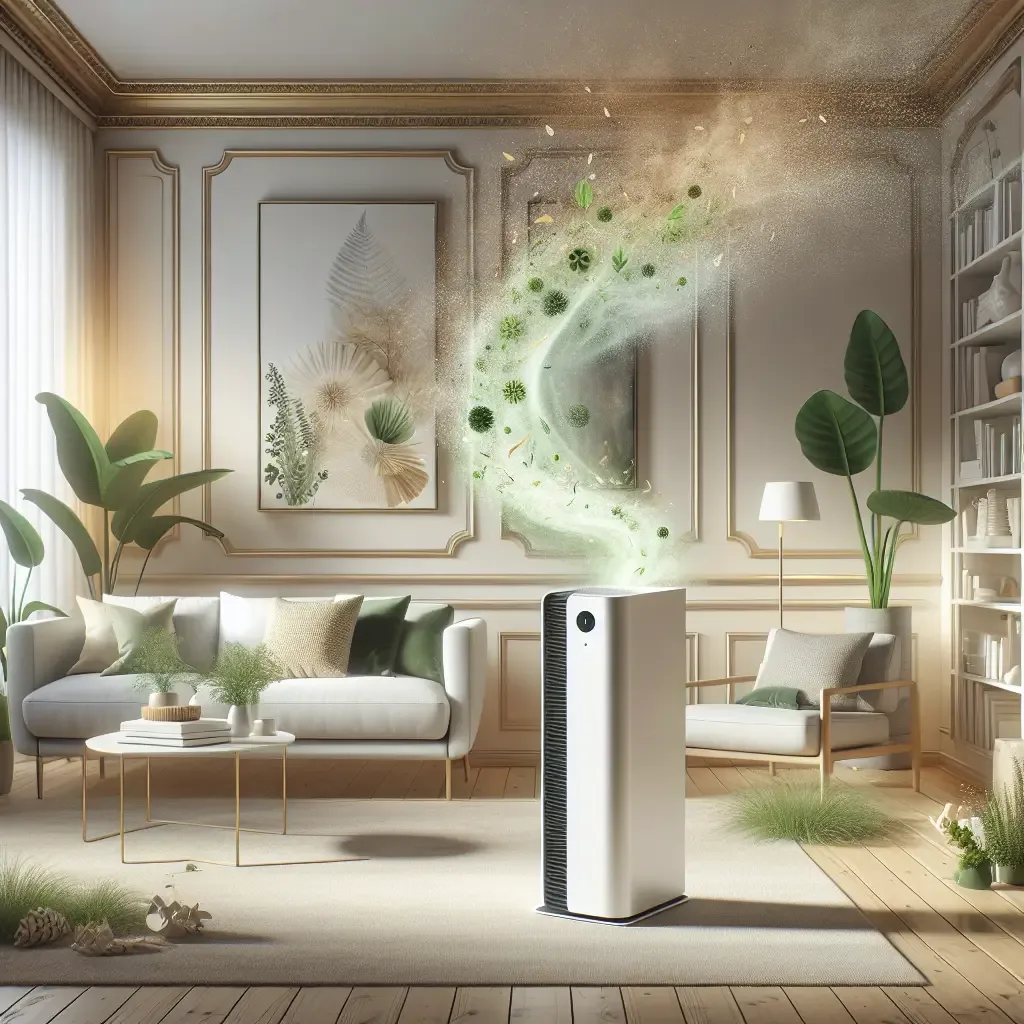
Why Indoor Air Quality Matters More Than You Think
The WHO states that indoor air can be five times more polluted than outdoor air — from paint VOCs, new furniture off-gassing, cleaning products and poor ventilation. Most people in Thailand spend over 90% of their lives indoors.
HappySmart integrates air quality management into its Smart Home Platform so the air in your home is clean and measurable.
10 Effective Methods for 2026
1. HEPA H13 air purifiers filter 99.97% of PM2.5 particles. Match the unit to room size using CADR — a minimum of 200 m³/hr for a standard bedroom.
2. Positive air pressure system prevents dirty air entering the home by maintaining higher interior pressure. HappySmart designs this to work alongside existing HVAC.
3. ERV/HRV ventilation brings fresh air indoors without losing air-conditioned cool — ideal for tightly sealed Bangkok apartments and homes.
4. Real-time PM2.5 and CO2 monitoring via Xiaomi Air Quality Monitor 2, connected to Home Assistant with alerts when values exceed set thresholds.
5. Air-purifying indoor plants — aloe vera, peace lily and snake plant absorb formaldehyde and benzene. Place near new furniture or building materials.
6. Reduce chemical products — choose VOC-free cleaning products, fabric softeners and sprays to lower toxic emissions indoors.
7. Regular AC duct cleaning and filter changes — dirty ducts spread mould and bacteria. HappySmart sets automated reminders every three months to replace pre-filters.
8. Smart dehumidifier control — humidity above 65% encourages mould growth. Tuya Smart Dehumidifier connected to Home Assistant maintains 50–60% automatically.
9. Daily robot vacuum — accumulated dust and skin particles are a major source of indoor PM2.5. Schedule via Mi Home for daily automatic cleaning.
10. Unify everything in Home Assistant — when sensors detect elevated PM2.5, the purifier activates, positive pressure increases, and alerts fire simultaneously with no manual input.
Start Managing Your Home's Air Quality Today
HappySmart designs and installs comprehensive air quality management systems covering measurement, filtration and automated control.