Why Indoor Air Quality Matters More Than You Realize
Bangkok residents spend more than 70 percent of each day indoors. During Thailand's cool season, PM2.5 levels in Bangkok and surrounding areas frequently exceed WHO guidelines. Relying solely on an air-conditioner filter or a standard air purifier is often no longer sufficient.
Positive Air Pressure systems are engineering solutions designed specifically to address this problem.
How Positive Air Pressure Systems Work
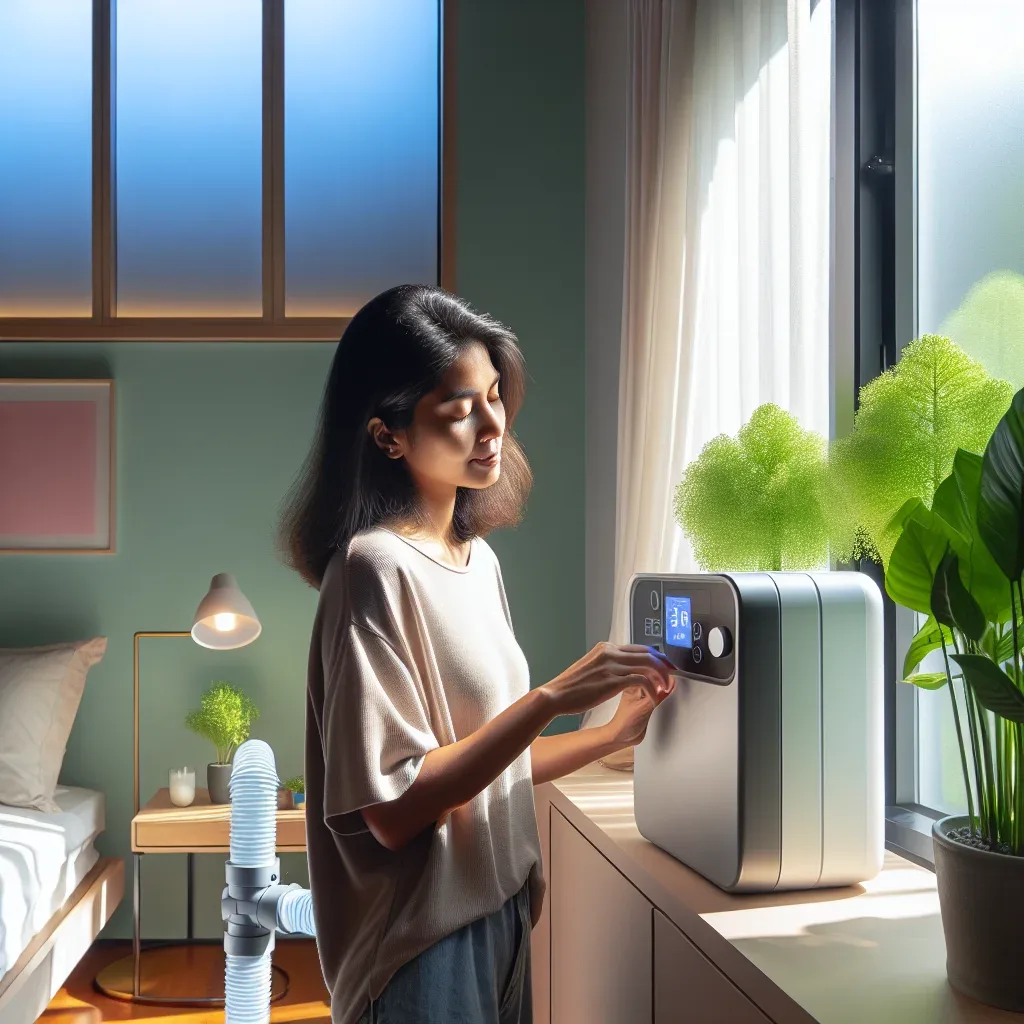
A Positive Air Pressure system draws outdoor air through high-efficiency filtration — typically HEPA and activated carbon layers — then forces the cleaned air into the home until indoor pressure slightly exceeds outdoor pressure. This pressure differential prevents outside air carrying dust, PM2.5, and pollutants from infiltrating through cracks, gaps, or poorly sealed windows.
The result is consistently clean, fresh air indoors without needing to keep the home completely sealed throughout the day.
Measurable Health Benefits
An environment with clean, oxygen-rich air produces tangible health improvements across multiple dimensions. People with allergies, asthma, or respiratory conditions typically notice a difference within the first few weeks. Sleep quality improves, morning fatigue decreases, and concentration during work-from-home sessions becomes noticeably sharper.
For families with young children or elderly members, investing in a Positive Air Pressure system is a long-term health investment that delivers ongoing returns.
Integrating Positive Air Pressure With Your Smart Home
HappySmart designs Positive Air Pressure systems to work seamlessly with the AI SmartHome ecosystem. Air quality sensors connected via Tuya or HomeKit send real-time PM2.5, CO2, and humidity data to Home Assistant on a Raspberry Pi 5.
When any value exceeds a configured threshold, the system automatically adjusts the fan speed of the Positive Air Pressure unit and sends an alert to the owner's smartphone. Managing indoor air quality becomes a completely hands-free process.