Bangkok's Indoor Air Quality Problem
Bangkok records PM2.5 levels above WHO guidelines during multiple periods each year, particularly in the dry season and when rain stops. Outdoor air enters homes through gaps around doors and windows, wall joints, and poorly designed ventilation systems, carrying PM2.5 particles and mould spores with it.
The problem intensifies in homes that keep air conditioners running continuously. Without fresh air circulation, indoor CO2, VOC concentrations, and humidity can build to 2–5 times outdoor levels — affecting concentration, sleep quality, and immune function.
What Positive Air Pressure Is and How It Works
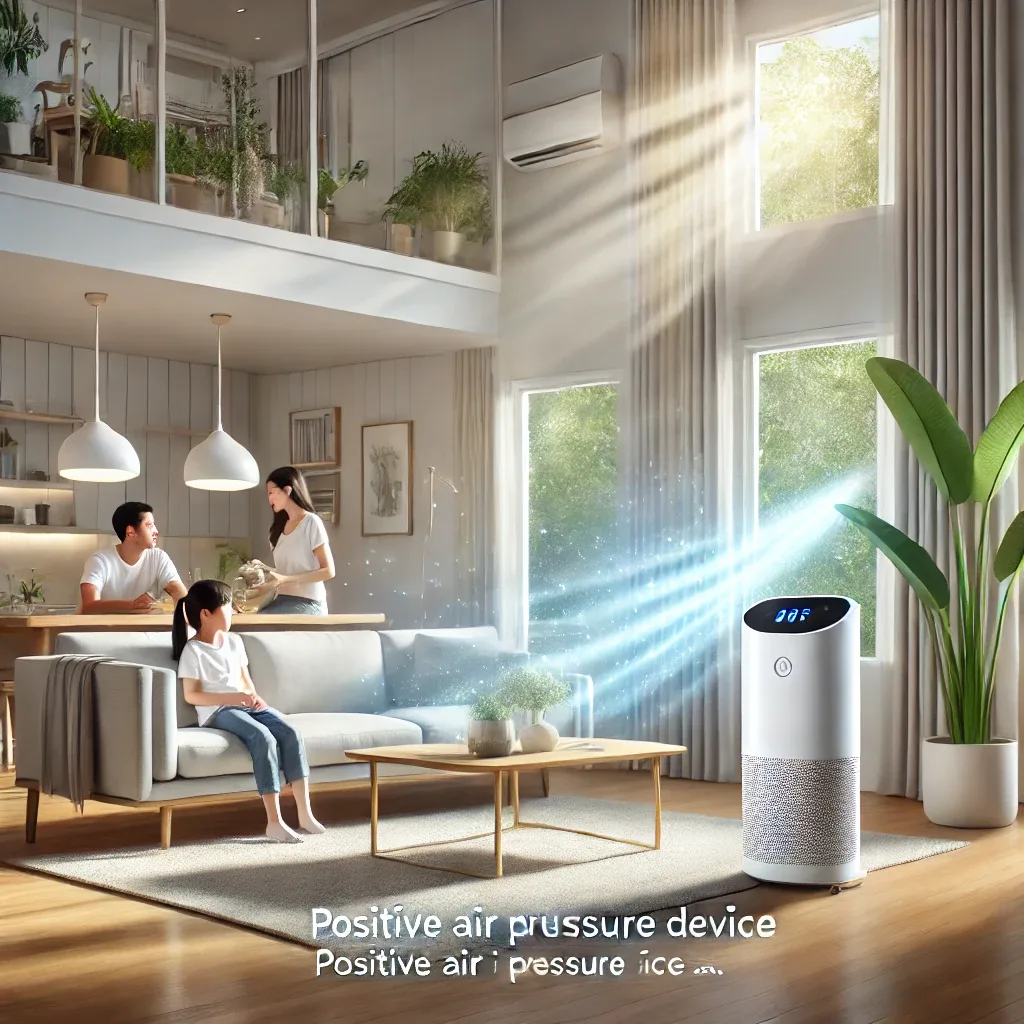
A Positive Air Pressure (PAP) system draws outdoor air in, passes it through HEPA and activated carbon filters, then pushes the cleaned air into the home to create a slightly higher indoor air pressure than outdoors.
When indoor pressure exceeds outdoor pressure, unfiltered outside air cannot infiltrate through small structural gaps — the same principle used in hospital clean rooms to prevent contamination.
A PAP system delivers:
- Greater than 99% PM2.5 reduction using HEPA 13 filtration
- Lower CO2 concentration through continuous fresh air supply
- Mould prevention by maintaining relative humidity between 50–60%
- VOC reduction from new furniture, paints, or cleaning products
Integration with Smart Home Systems
The PAP devices HappySmart installs support Wi-Fi or Zigbee connectivity and integrate directly with Home Assistant.
Paired with real-time air quality sensors measuring PM2.5, CO2, and humidity, the system enables automations such as:
- When bedroom PM2.5 exceeds 25 μg/m³, increase the PAP fan speed and send a HomeKit alert.
- When CO2 exceeds 800 ppm, open smart windows or activate ventilation fans.
- When relative humidity exceeds 70%, start the dehumidifier automatically.
Measurable Health Benefits
Research from multiple Asian universities finds that consistently maintaining indoor PM2.5 below 10 μg/m³ improves sleep quality by 15–20%, reduces respiratory allergy symptoms, and enhances daytime concentration.
For young children and elderly residents with weaker respiratory systems, the benefits are more pronounced. Families using PAP systems combined with HappySmart's real-time air quality monitoring report a significant reduction in respiratory-related medical visits within the first year.
HappySmart Air Quality Systems
HappySmart designs complete indoor air quality systems — selecting PAP equipment appropriate for each room's floor area, positioning sensors for full coverage, and integrating everything with Home Assistant for fully automated operation without daily management.