Indoor Air Quality Issues Thai Homeowners Commonly Overlook
In Bangkok and Thailand's larger urban areas, indoor air quality affects health more significantly than many residents realise. PM2.5 particles entering through gaps around doors and windows, pollen during the dry season, and accumulated humidity that encourages mould and dust mites all impact respiratory health and sleep quality.
Addressing these problems sustainably requires more than adding another standalone air purifier to the room.
What Positive Air Pressure Is and How It Works
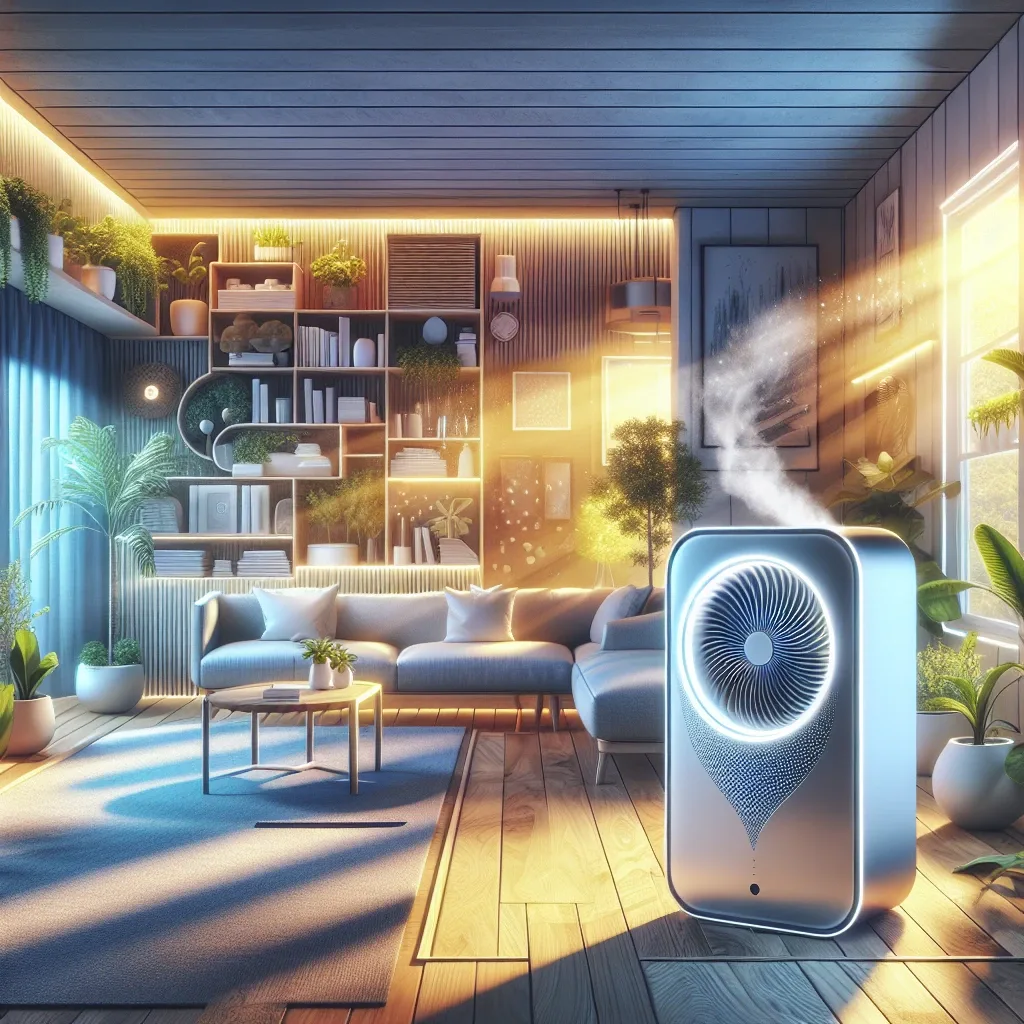
The principle behind positive air pressure is simple: keep indoor air pressure slightly higher than outdoors by continuously drawing exterior air through high-grade filters — typically HEPA F9 or above — into the home. As a result, unfiltered outdoor air cannot infiltrate because indoor pressure is constantly pushing outward.
Unlike a standard air purifier that recirculates existing room air, a positive air pressure system brings genuinely fresh outdoor air inside, also reducing CO2 levels — which affects resident alertness and cognitive performance.
Measurable Benefits in a Thai Home Context
Thailand's climate presents specific challenges: high humidity through the rainy season and PM2.5 spikes during northern dry season. Positive air pressure addresses several of these at once.
Dust and pollutant exclusion: HEPA-filtered air removes particles down to 0.3 microns, preventing PM2.5 from reaching residents.
Humidity reduction: positive pressure lowers relative indoor humidity, inhibiting mould growth and dust mite proliferation.
Improved ventilation: filtered fresh air replacing stale indoor air reduces CO2 and accumulated odours.
Integration with Smart Home Systems
The system becomes significantly more powerful when connected to a smart home platform. Matter 1.4 or Tuya-compatible air quality sensors measuring PM2.5, CO2, and humidity in real time feed data to Home Assistant or Mi Home, which then adjusts system operation automatically.
When bedroom CO2 exceeds a defined threshold overnight, the system automatically increases airflow and logs a notification visible in the app the following morning.
System Design for Thailand's Climate
HappySmart designs positive air pressure systems specifically for Thai conditions, including appropriate filter sizing for each home's floor area, intake positioning to minimise noise, and integration with existing central air conditioning to reduce installation costs.