Elderly Residents and Earthquake Risk
In emergency situations like earthquakes, every second is critical. For elderly residents, those challenges multiply with the physical and cognitive limitations that come with age. This article explains why the elderly face greater vulnerability and how a smart warning system helps.
3 Factors That Make the Elderly More Vulnerable
First is reduced response speed. The brain and nervous system take longer to process information and instruct the body to move. An elderly person who is asleep may need 5 to 10 additional seconds to wake and comprehend the situation. Second is mobility limitations. Those using canes, wheelchairs, or experiencing knee problems take considerably longer to relocate to a safe area. Third is pre-existing conditions and disability. Those with hearing loss, visual impairment, or dementia may not perceive standard warning signals at all.
HappySmart Designed for Elderly Residents
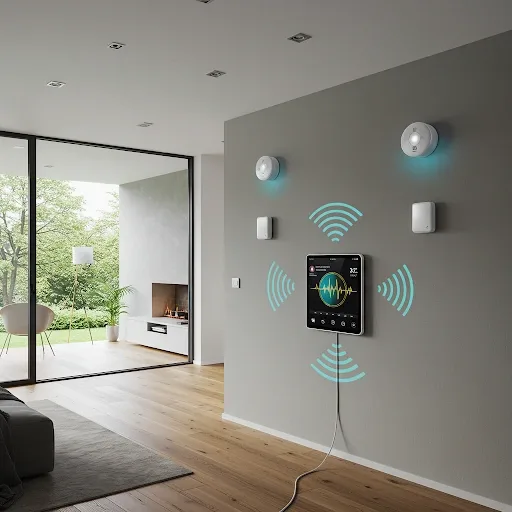
HappySmart uses simultaneous multi-channel alerts. Sensors detect P-waves before the main shaking arrives, then transmit signals to a loud speaker, a flashing light for those with hearing loss, and smartwatch vibration for those who wear one while sleeping. Home Assistant Automation can also be configured to automatically switch on all lights throughout the home, unlock exit doors, and close gas valves -- reducing the number of actions the elderly person must perform themselves during the crisis.
Notifying Family Members
A key challenge for elderly residents living alone is having no one to assist in an emergency. HappySmart addresses this by immediately sending alerts to the smartphones of family members or caregivers when an earthquake is detected, regardless of where they are in the world. The system logs the time and magnitude level detected, so family knows exactly what impact the home experienced even if they were not present.
Simple Installation That Doesn't Disrupt
HappySmart uses wireless installation that requires no wall drilling or new wiring. Installation technicians complete the setup in 1 to 2 hours without disrupting the elderly resident's routine. The application is designed to be easy to use for all ages, and the After-sales team is on hand for assistance if any issue arises.
Preparation Steps for Elderly Residents
Beyond installing the warning system, arrange rooms so corridors are wide and free from obstacles. Create a simple evacuation plan and practice it with the elderly resident at least once per year. Post evacuation route signs in clearly visible locations. Inspect the system every 3 to 6 months to ensure it remains ready to operate at all times.