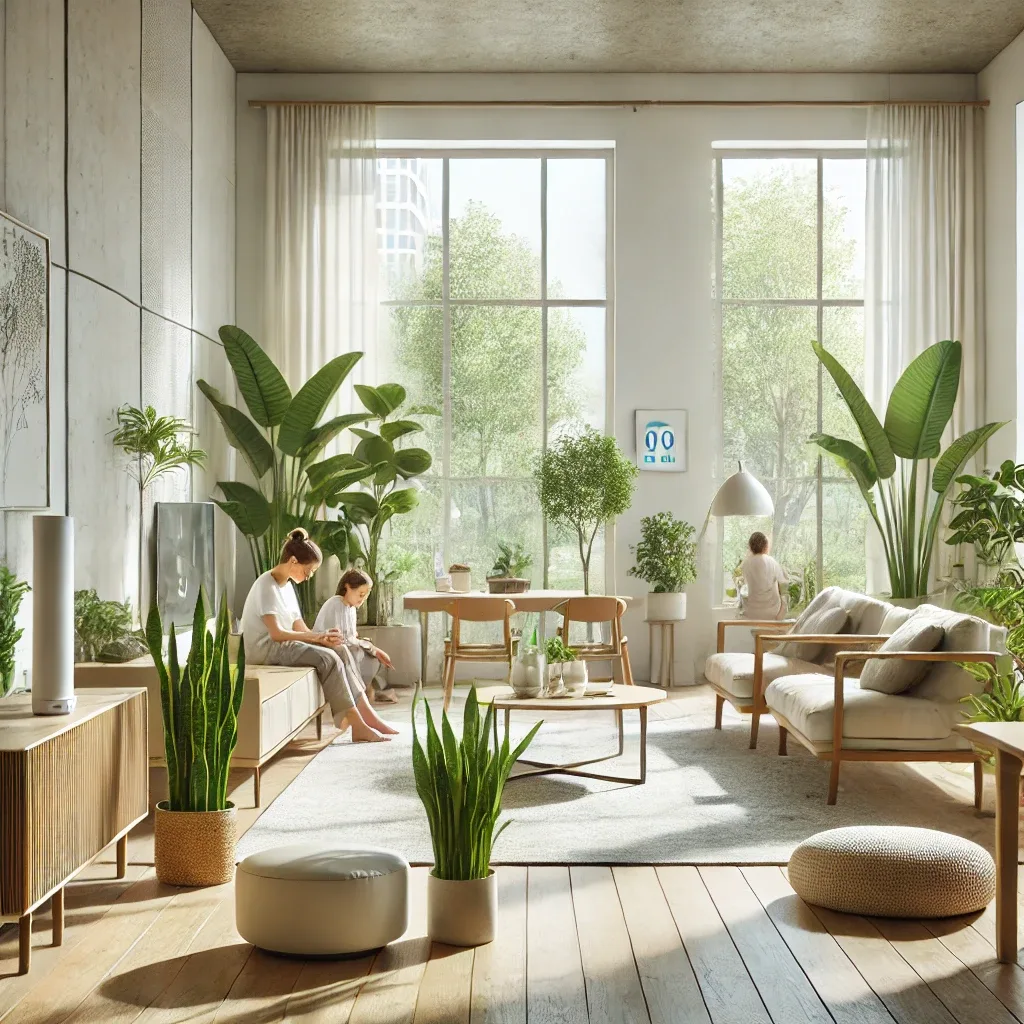
Smart Living Is More Than Convenience — It Is Quality of Life
In lives filled with pace and stress, the home environment directly affects physical and mental health. Smart Living Solutions integrating IoT across every dimension of living create homes that automatically respond to residents' needs — reducing burdens, increasing safety and promoting health simultaneously.
Health Monitoring with IoT Wearables and Smart Sensors
A healthy home starts with monitoring the health of its residents. Smartwatches and fitness trackers connected to Home Assistant continuously track heart rate, blood pressure and sleep quality. When abnormal values are detected, the system sends instant LINE notifications.
For homes with elderly residents, fall detection sensors, Motion Sensors in bathrooms and emergency Smart Buttons beside beds form a safety net — giving family members living apart peace of mind. Door/Window Sensors on medicine cabinets serve as reliable medication reminders.
Smart Security: Cameras, Sensors and Alert Systems
IP cameras or CCTV connected to Home Assistant alert when motion is detected. Smoke and CO gas sensors send emergency signals while triggering sirens and LINE notifications with the detected location. Everything operates through a central hub consolidating all device status in one place.
Daily Convenience: Voice Control and Automation
Google Assistant, Amazon Alexa or Home Assistant's Local Voice Assistant control lights, AC and appliances by voice. Robot vacuums schedule automatic cleaning. Soil moisture sensors water plants based on actual conditions rather than fixed schedules. Together these save significant time and effort.
Clean Energy and Smart Grid
Adding solar panels to a Smart Living home enables self-generated electricity. Battery storage holds surplus energy for nighttime or outages. Smart Grid systems automatically optimize usage between grid, solar and battery — reducing electricity bills by 30-50% long-term.
Measurable Outcomes: Health, Safety, Energy and Value
A fully equipped Smart Living home delivers tangible results: clean air from Smart Air Purifiers reduces allergy symptoms, Circadian Lighting improves sleep quality, 20-35% energy savings, enhanced security and property value increases of 5-15% in the real estate market. HappySmart provides free consultation to design Smart Living systems tailored to your home and budget.