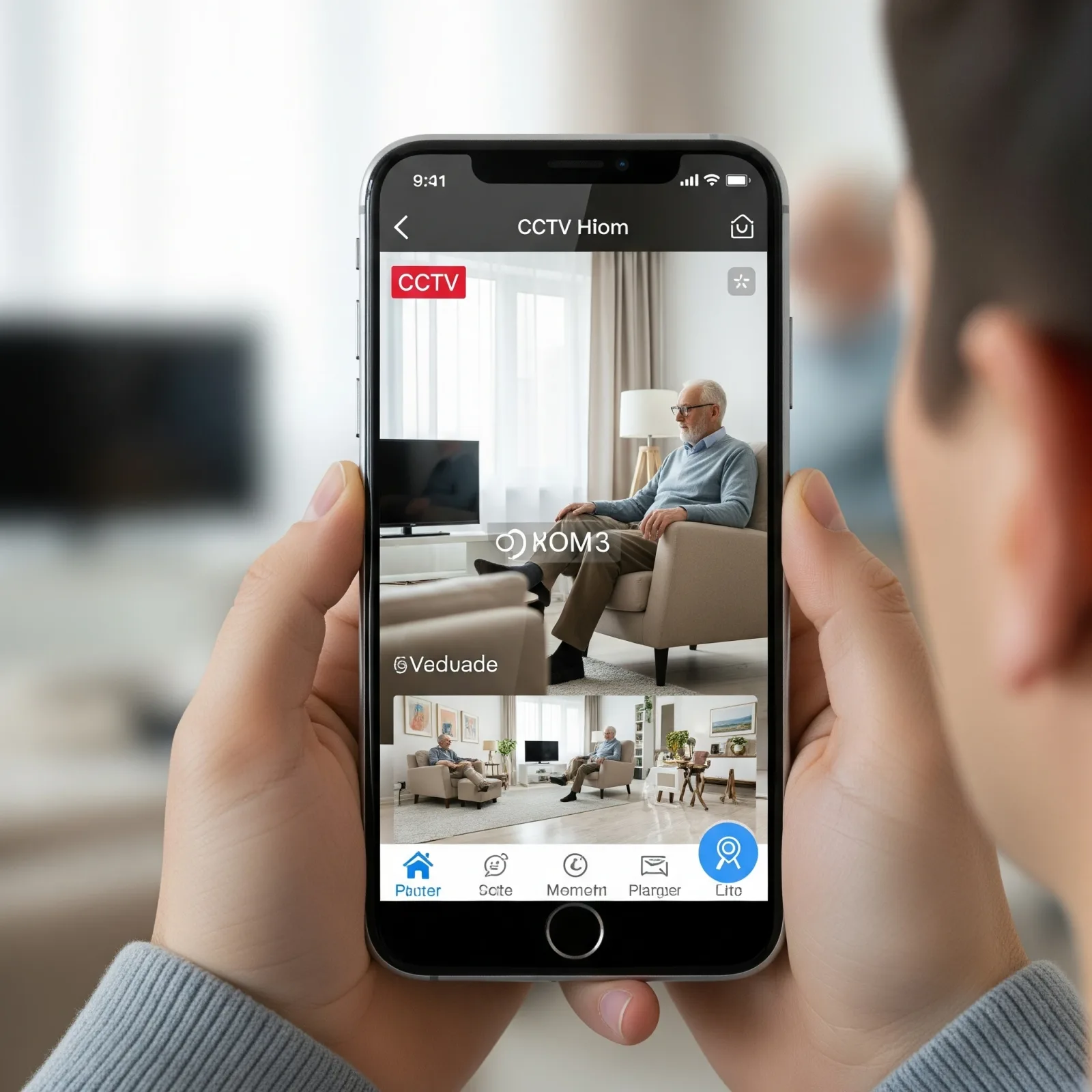
Elderly Care Technology at Home: Smart Home Ready to Alert When the Unexpected Happens
As Thailand fully enters its aging society era, caring for elderly family members at home has become an increasingly important topic — especially in multi-generational households and single-elder families where the elderly must live alone. Preparing a home for today's elderly is no longer just about arranging furniture safely. It means applying elderly care technology to create genuine safety, peace of mind, and quality of life.
The Bathroom: The Number One Risk Zone for the Elderly
The bathroom is among the highest-risk areas for elderly accidents — wet floors, balance loss, and sudden blood pressure changes can all lead to life-threatening situations if help does not arrive in time. Fall detection alert systems and mmWave sensors play a critical role in transforming an ordinary home into a space that actively watches over elderly residents around the clock.
What Is an mmWave Sensor and Why Is It Ideal for Elderly Care?
mmWave sensors use high-frequency radio waves to detect movement, breathing, and falls — without requiring the elderly person to wear or carry any device. Key advantages that make them stand out include accurate detection even in low-light or completely dark conditions, zero image or audio recording for complete privacy, no wearables required for unrestricted daily life, and unobtrusive wall or ceiling mounting.
Real-Time Alerts and Event History
When the sensor detects a fall or abnormal stillness lasting more than 10 seconds, the system immediately sends an alert to family members' smartphones. Key features include real-time notifications with timestamp and location, an event log for later review, integration with AI cameras to confirm the situation via live video, and customizable alert schedules — for example, nighttime-only notifications.
Case Study: Khun Yay Somjit, Age 78
Khun Yay Somjit, 78, lives with her son who works outside the home all day. Her home has mmWave sensors installed in the bathroom and bedroom, along with an AI camera configured with image recording disabled for privacy. One day while she was in the bathroom, the sensor detected a fall followed by no movement for over 10 seconds. The system instantly alerted her son's phone. He immediately called his mother and asked a neighbor to check on her before he could get home himself. This event demonstrates the true value of technology that lets us care for the people we love even when we cannot be by their side.
Complementary Technologies That Work Alongside mmWave Sensors
A complete Smart Home for the elderly also includes automatic guide lighting that activates when the elderly person gets up at night, smart speakers for hands-free voice control, and smart locks managed through an app. All work together through Home Assistant to create an environment that is genuinely safe and caring.