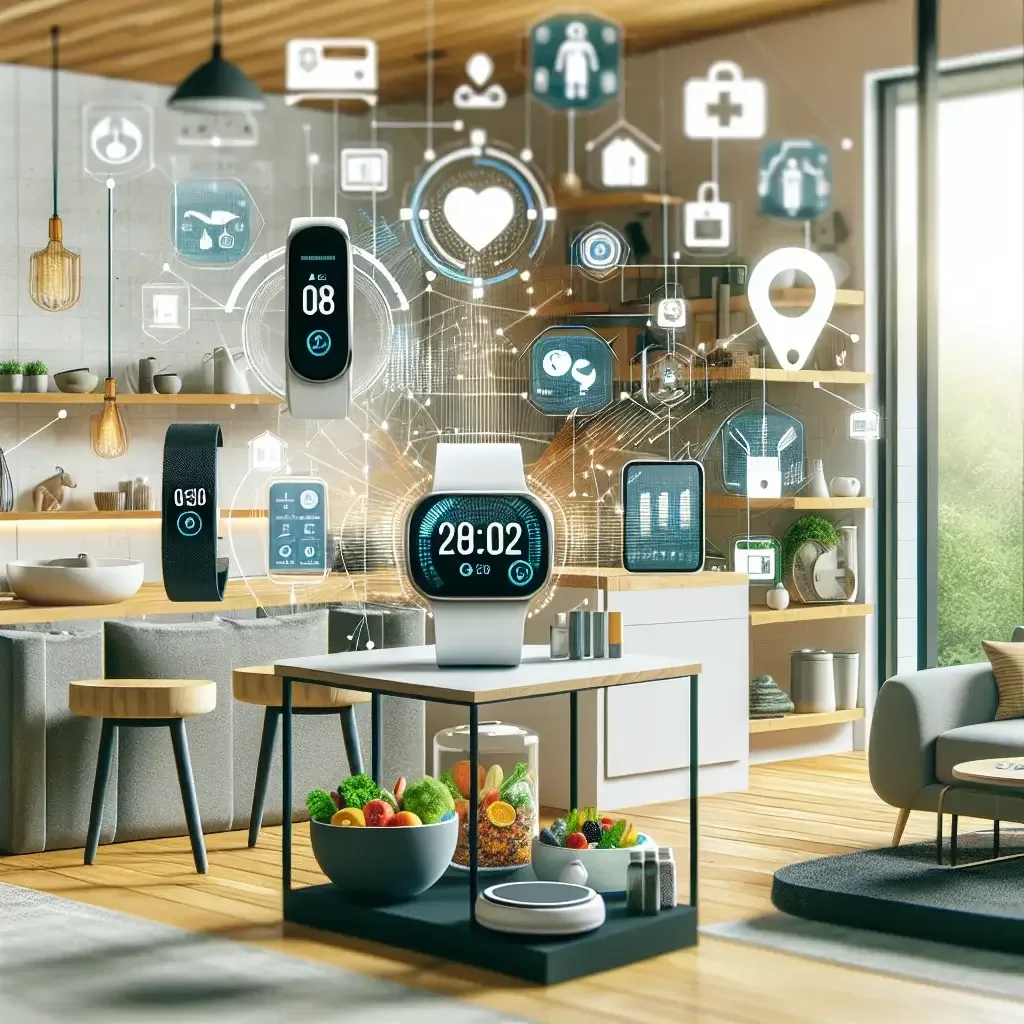
A Good Home Looks After Your Health Quietly
The indoor environment affects health more than most people realize. Air quality in rooms sealed by air conditioning all day, excessive blue light before sleep, and unsuitable temperatures all impact sleep, immunity, and daily productivity.
HappySmart's Smart Living Solutions are designed to detect and adjust these conditions automatically — not only for convenience, but to make the home a genuinely health-supporting environment.
Indoor Air Quality: The Problem You Cannot See
Bangkok faces PM2.5 and VOC issues from new furniture and wall paint. New air quality sensors from Xiaomi and Aqara simultaneously measure CO2, PM2.5, temperature, and humidity. When CO2 exceeds 1,000 ppm the system automatically activates ventilation fans or alerts occupants to open windows.
For children's rooms or elderly residents, pairing an air quality sensor with a smart air purifier that activates automatically based on PM2.5 levels is one of the highest-value health investments in a smart home.
Better Sleep Through Smart Lighting and Temperature
Research from the National Sleep Foundation identifies 18 to 21 degrees Celsius as optimal bedroom temperature for sleep, and notes that blue light from screens and cool-white LED bulbs before bedtime disrupts melatonin production.
A Smart Living system's "night mode" automatically sets the air conditioning to 20 degrees at bedtime, transitions bedroom lighting from white to warm amber, and silences all device notifications — all triggered by a single command or automatically on a schedule.
Smart Home for Elderly Residents and Young Children
The most vulnerable household members benefit most from Smart Living systems. mmWave sensors installed in an elderly person's bedroom can detect falls or abnormal absence of movement and immediately alert family members.
For young children, smart outlet covers and nursery cameras that alert parents when a child wakes during the night allow parents to sleep with greater peace of mind.
HappySmart designs Smart Living packages specifically for homes with elderly residents, including full installation, configuration, and family training.