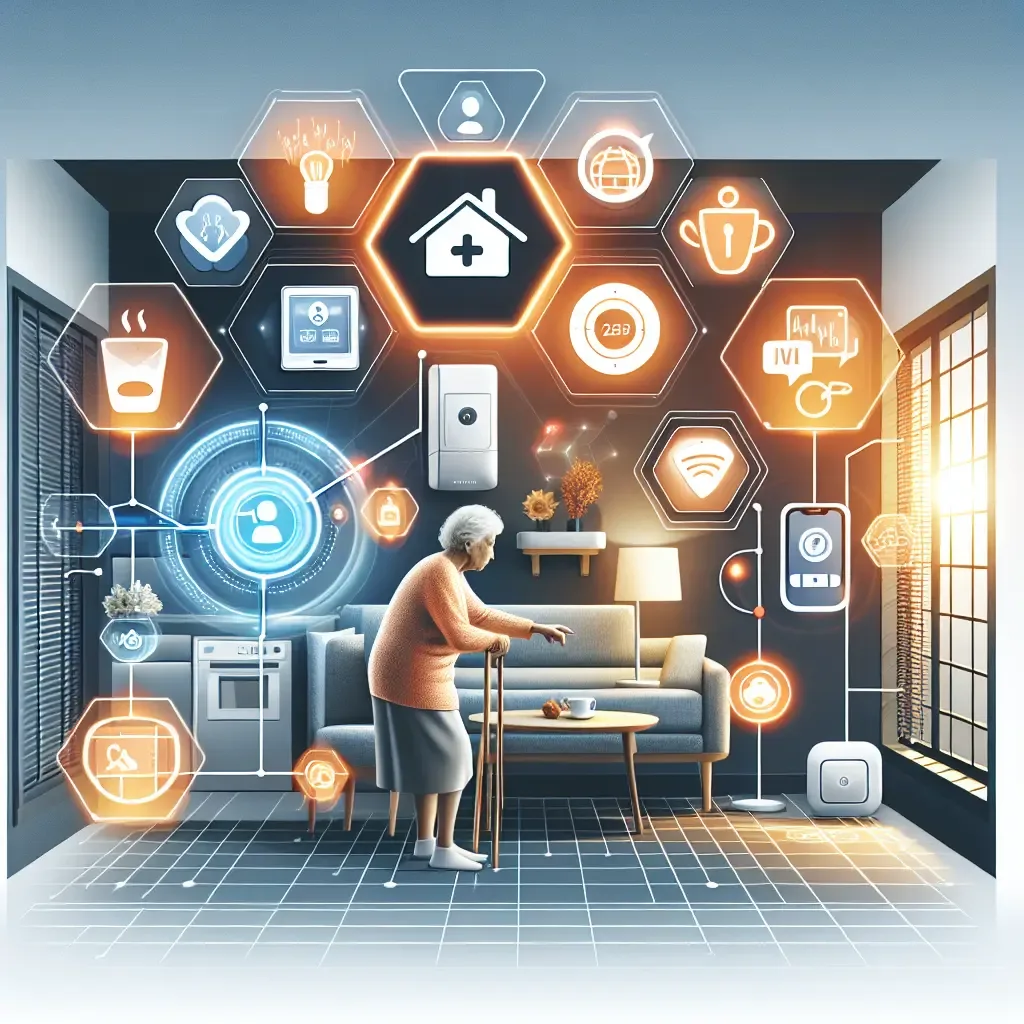
The Challenge of Caring for Elderly Residents at Home
Most Thai families continue to care for elderly relatives at home, but urban life means family members are frequently away. The primary risk is an emergency — a fall, a loss of consciousness, a sudden health event — occurring when no one is nearby to respond.
Smart home technology does not replace human carers. It provides a 24-hour safety network that alerts family members immediately when something irregular happens.
mmWave Sensors for Emergency Detection
An mmWave sensor installed in an elderly resident's bedroom or bathroom is the most effective device for this application. It monitors movement, breathing patterns, and established behavioural norms for the individual.
If the resident falls or remains motionless for longer than a defined threshold, Home Assistant sends simultaneous alerts to all family members' phones. No button press is required — the system detects and alerts automatically.
The bathroom, the highest-risk location for falls, is where mmWave sensors are most valuable. They function reliably in humid conditions and involve no camera, preserving complete privacy while maintaining detection capability.
Emergency Buttons and Call-for-Help Systems
Alongside automatic detection, portable or wrist-worn emergency buttons connected to Home Assistant allow elderly residents to request help instantly when needed. A single press sends an alert with location data to designated family contacts and can trigger an automatic outgoing call.
Devices connected through Tuya Smart Life or Matter can be configured to deliver alerts across multiple channels simultaneously — push notification, SMS, and LINE message — ensuring at least one reaches a family member promptly.
Automations That Reduce Physical Strain
Light switches in awkward positions, heavy doors, and conventional taps require dexterity and physical effort that diminishes with age. Smart replacements controlled by voice or automated by schedule remove that friction.
A practical example: an mmWave sensor in the bedroom detects when the resident rises during the night and triggers a dim corridor light automatically. The elderly person does not need to find a switch in the dark, reducing fall risk significantly.
Voice control through Siri or Google Assistant allows residents who find touchscreens difficult to control lights, contact family members, or lock the front door without handling a phone.
HappySmart's Elder Care Package
HappySmart offers a dedicated Elder Care package for homes with elderly residents. It includes mmWave sensors, an emergency button, automated corridor lighting, and pre-configured Home Assistant automations. Family members monitor status and receive alerts through the Home Assistant app on their smartphones.