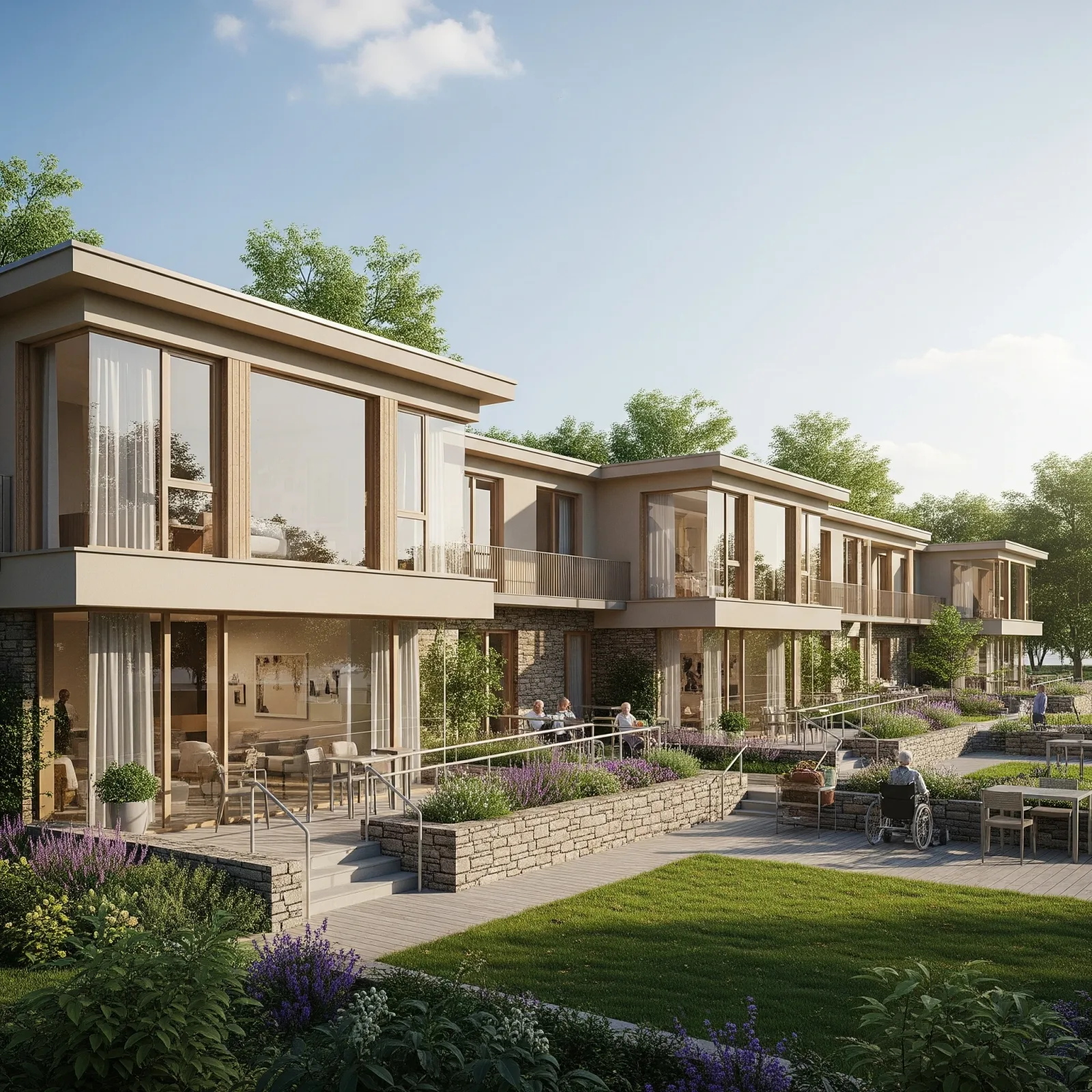
As the global elderly population grows, the concept of Wellness Homes — homes designed for health — is becoming the new standard of living. A Wellness Home is not merely beautiful or modern; it is a home that genuinely prioritizes the health, safety, and quality of life of its residents.
What Is a Wellness Home and Why Does It Matter for Seniors?
A Wellness Home is a residential design approach centered on promoting physical and mental health across five key dimensions: air quality, lighting, temperature, sound, and safety — all of which directly impact elderly residents' quality of life.
For seniors, a Wellness Home reduces disease risk, since elderly people are particularly vulnerable to respiratory problems, allergies, and chronic conditions. It supports mental health through a comfortable environment that reduces feelings of loneliness. It improves ease of daily living through ergonomic design, and meets the special long-term care needs of elderly residents.
5 Health Technologies in Wellness Homes Suitable for the Elderly
First: Smart air filtration and quality control. Breathing clean air is a fundamental health requirement. Wellness Homes should install smart air purifiers that filter PM2.5, bacteria, viruses, and unpleasant odors, with an Air Quality Monitor reporting real-time data via smartphone app.
Second: Smart Lighting following circadian rhythms. Light directly affects hormones and sleep quality. Smart lighting that adjusts automatically by time of day helps maintain biological clock balance, and auto-adjusts brightness for reading or activities without requiring manual switches.
Third: Therapeutic Sound. Nature sounds, ocean waves, or white noise help seniors sleep better, reduce stress, and create a calm home atmosphere — integrated with Home Assistant to play automatically on a set schedule.
Fourth: Environmental control via Home Assistant or HomeBridge. Enables caregivers to adjust temperature, control lights, check cameras, and manage appliances from a smartphone app — especially important when seniors are home alone.
Fifth: Safety alerts and sensors. Technologies like mmWave Sensors, Motion Sensors, and Door Sensors detect movement, falls, and unusual door openings, instantly sending alerts to caregiver phones.
HappySmart's Wellness Home Design for Seniors
HappySmart specializes in designing and installing smart home systems focused on safety and health, with packages covering every need of elderly residents. Bedrooms are designed for easy sitting and standing with automatic night lighting and no sharp corners. Bathrooms feature grab bars, non-slip floors, and mmWave Sensors that alert on detected falls. Living areas are open and accessible, with PM2.5 air quality sensors monitoring continuously 24 hours a day.
A Wellness Home is not just a trend — it is a sustainable health investment, especially for seniors who need long-term care.