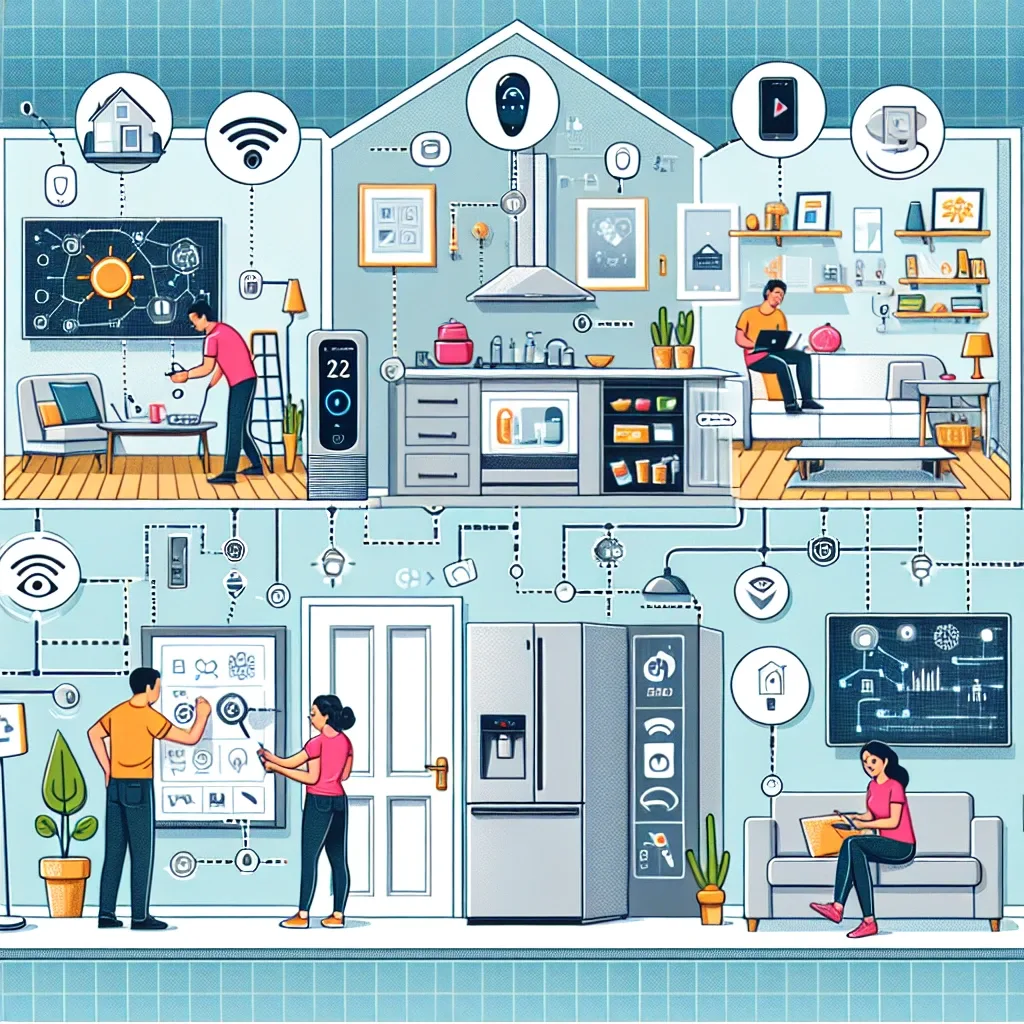
Why 2026 Is the Right Time for a Smart Home
The Matter 1.4 standard released in late 2025 delivered true cross-brand interoperability for the first time. Devices from Apple, Google, Samsung, Xiaomi, Tuya, and hundreds of other manufacturers now speak the same language.
With entry pricing at ฿1,599 and installation completing in under half a day, starting a smart home is no longer something to defer.
Greater Convenience in Daily Life
App control through Mi Home, Tuya Smart, or Apple Home puts every device in your home at your fingertips whether you are in your bedroom or overseas. Switch on the air conditioning before you arrive home, check whether you left a light on, and unlock the door for a delivery — all without returning.
Voice control through Siri, Google Assistant, or Amazon Alexa lets you command devices without touching your phone — particularly useful when your hands are full or for elderly family members who find touchscreens difficult.
Automation configured once and running every day thereafter: the air conditioner pre-cools the home 30 minutes before you typically arrive, all lights switch off when the front door is locked, and motorised blinds open to morning sunlight automatically.
Safety Coverage Across Every Dimension
A smart home improves security on multiple fronts simultaneously. EZVIZ and TP-Link Tapo cameras record and alert on detecting an unknown face. Door sensors trigger instantly on unauthorised opening. Aqara smart locks eliminate the physical key that can be stolen or copied.
Smart homes also protect against non-human hazards. Smoke and gas sensors alert and automatically cut power to appliances when triggered. Water leak sensors installed under sinks and behind washing machines warn before any flooding occurs.
Precise Automation That Cuts Energy Bills
TP-Link Tapo P115 smart plugs measure each appliance's real-time power draw, identifying devices that consume more than necessary. Bangkok HappySmart clients save an average of 15–30% on electricity bills after installing presence-based automation that shuts off devices in empty rooms and adjusts air conditioner temperature based on actual outdoor conditions.
A smart home investment is not simply a cost — it generates a measurable return through reduced energy bills over time.