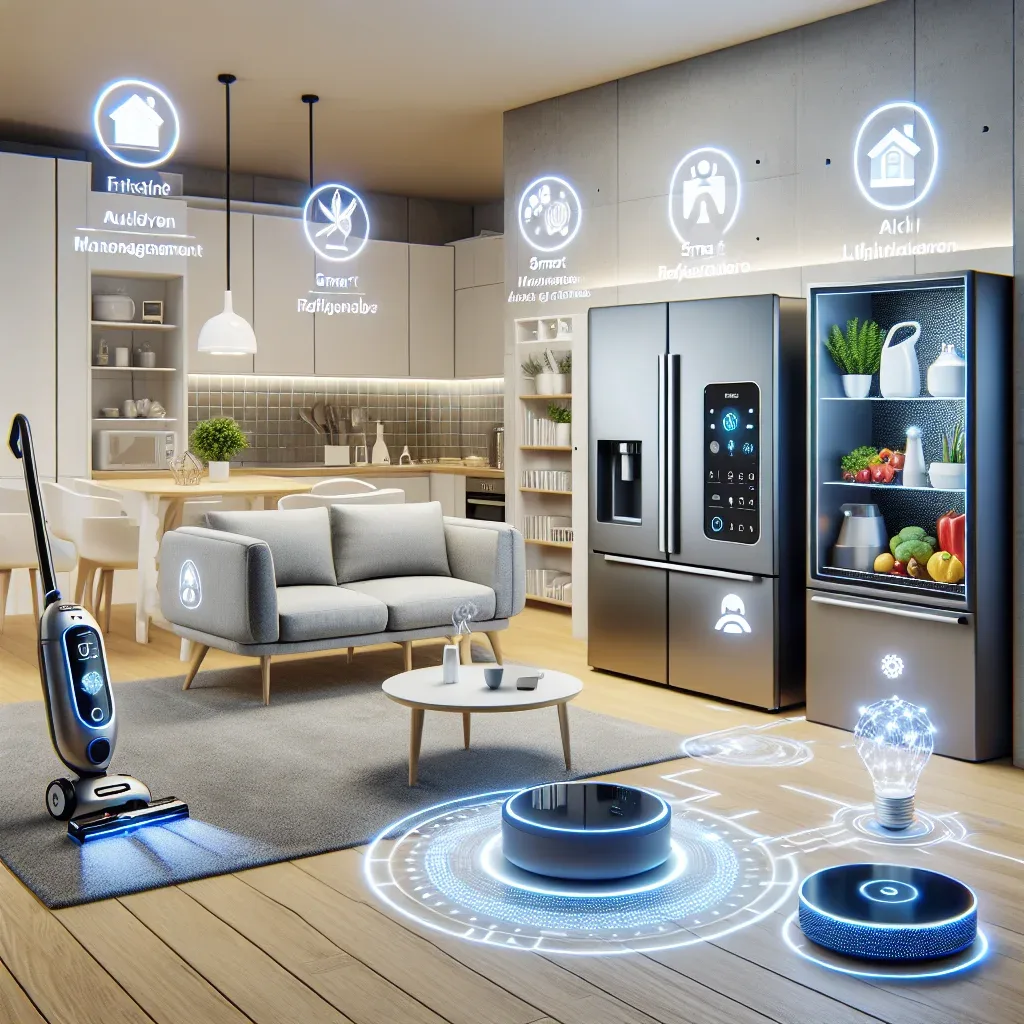
AI and the New Era of Home Management
Smart homes in 2026 no longer rely on you issuing commands through an app or voice assistant. Modern AI engines learn your daily patterns — when you wake, what temperature you prefer in each room, and roughly when you return from work — then pre-configure every device before you even ask.
HappySmart deploys its AI SmartHome platform on Matter 1.4, which allows hardware from Xiaomi, TP-Link, Tuya, and Apple HomeKit to share a single unified protocol. That eliminates the fragmentation problem that plagued multi-brand setups in earlier years and delivers noticeably more reliable automation.
Intelligent Device Control
Air conditioning units connected via Mi Home receive instructions directly from the central AI engine. When mmWave presence sensors detect an empty room, the system reduces load automatically. Once movement returns, it restores preferred settings within seconds — no manual input needed.
TP-Link Tapo smart bulbs running Matter 1.4 shift their colour temperature throughout the day on their own schedule. Cool white in the morning encourages alertness; warm amber in the evening signals the body to wind down. The routine runs indefinitely without being reprogrammed.
AI-Driven Home Security
EZVIZ cameras with AI Vision classify what they see before sending any alert. The system distinguishes household members, familiar faces, and genuine strangers — so notifications arrive only when they matter. This sharply reduces alert fatigue and improves the speed of real responses.
Smart door locks combining Face ID, PIN, and NFC tap give residents a flexible entry method while keeping access logs stored locally inside Home Assistant. No footage or entry records leave the local network, which matters to homeowners who are cautious about cloud data exposure.
Energy Savings Through Machine Learning
The AI layer analyses hourly consumption data and suggests optimisation settings over time. In a 200-square-metre property in Sukhumvit where HappySmart completed a full installation, electricity costs dropped by an average of 22% over the first three months — with no change to the residents' habits.
When a solar inverter is integrated into the system, the AI decides in real time whether to draw from panels or the grid, factoring in the Metropolitan Electricity Authority's current time-of-use tariff structure. The household effectively becomes a small energy-optimising unit.
Getting Started with HappySmart AI SmartHome
HappySmart packages start at ฿1,599 and include full installation and configuration by engineers from Vish Architect Group. Every job begins with a wiring-path and device-placement design phase to ensure the system runs correctly from day one.
The team handles both new builds and retrofits — condominiums in Bangkok, villas in Hua Hin, or weekend retreats in Khao Yai are all within scope.