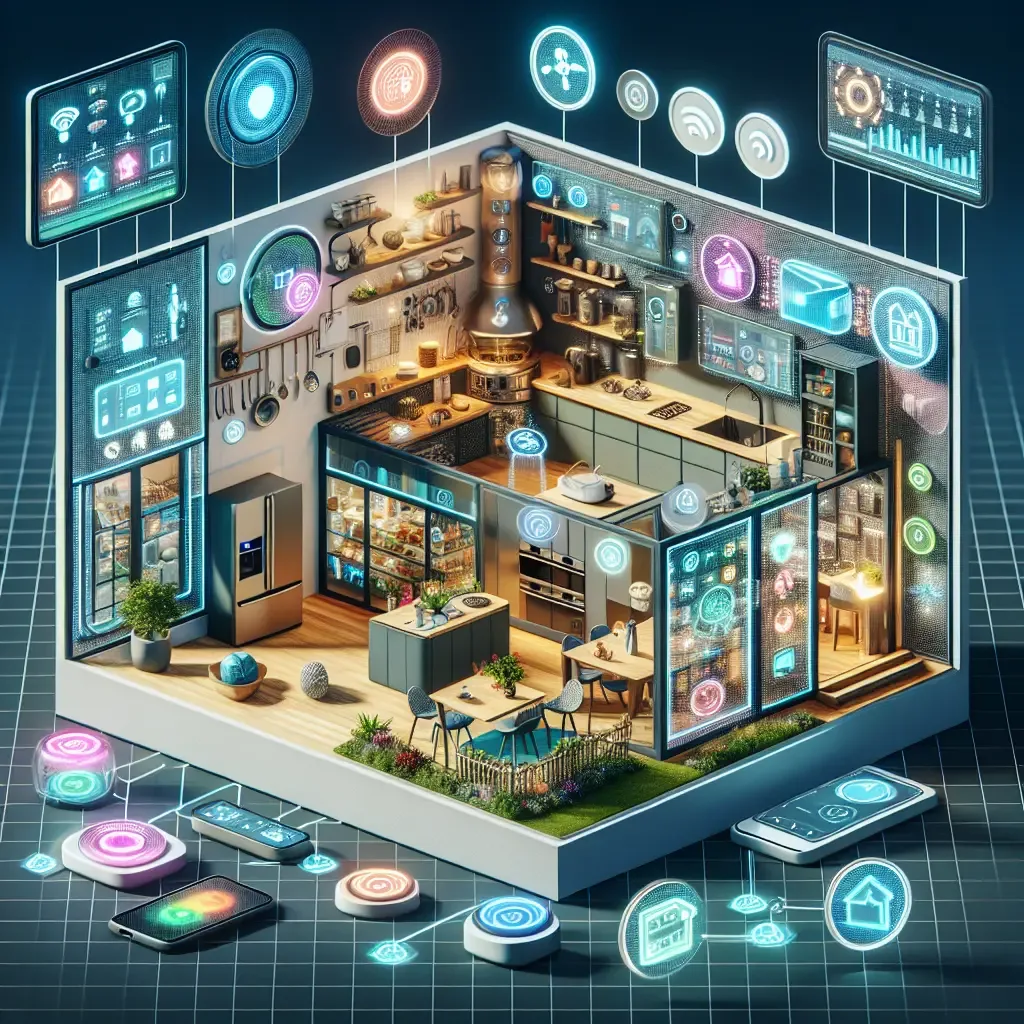
Why Smart Homes Matter More Than Ever in 2026
The phrase "smart home" no longer implies a house stuffed with expensive gadgets. It describes a home where systems work in coordination toward clear goals — energy management, security, comfort, and resident wellbeing — all connected through the Matter 1.4 protocol that has become the industry standard this year.
Convenience That Can Be Measured
Controlling a home through Mi Home or Apple HomeKit gives owners remote access from anywhere. But the deeper benefit is automation that requires no commands at all: lights that activate when mmWave sensors detect a person entering a room, air conditioning that pre-cools before you arrive home, and blinds that close automatically when the sun reaches a certain angle.
For households with elderly members or young children, these automations remove small but persistent friction from daily life. No one needs to walk through the house checking lights before bed. No one worries about leaving appliances on when leaving.
Stronger Security Without More Effort
AI-powered cameras from EZVIZ and Xiaomi Smart Camera distinguish between known household members and unrecognised visitors, sending alerts only for genuine anomalies. Door and window contact sensors report status in real time, and smart locks log every access event with a timestamp.
Smoke and gas sensors integrated into the smart home system can automatically shut the gas valve and trigger an emergency alert if a hazard is detected. For Bangkok homes with gas stoves this is a practically significant safety layer, not a marketing feature.
Long-Term Energy Savings
Electricity costs in Bangkok and Hua Hin sit above the ASEAN average. The AI layer in HappySmart's system analyses consumption patterns and identifies reduction opportunities — switching off idle appliances, scaling back air conditioning in unoccupied zones, and scheduling high-draw devices for off-peak tariff windows.
Tuya-compatible devices selected by HappySmart include built-in energy monitoring. Owners see live per-device consumption figures inside a single app, which makes informed decisions about usage far easier.
Property Value That Rises With the System
A 2026 Bangkok real-estate survey found that properly installed smart home systems added 8 to 12 percent to resale value compared to equivalent units in the same location. The investment is not just operational — it is a durable asset enhancement.
HappySmart designs every system around Matter 1.4 compatibility, ensuring future devices will integrate without replacement of existing infrastructure. That forward compatibility is part of what makes the investment hold its value.