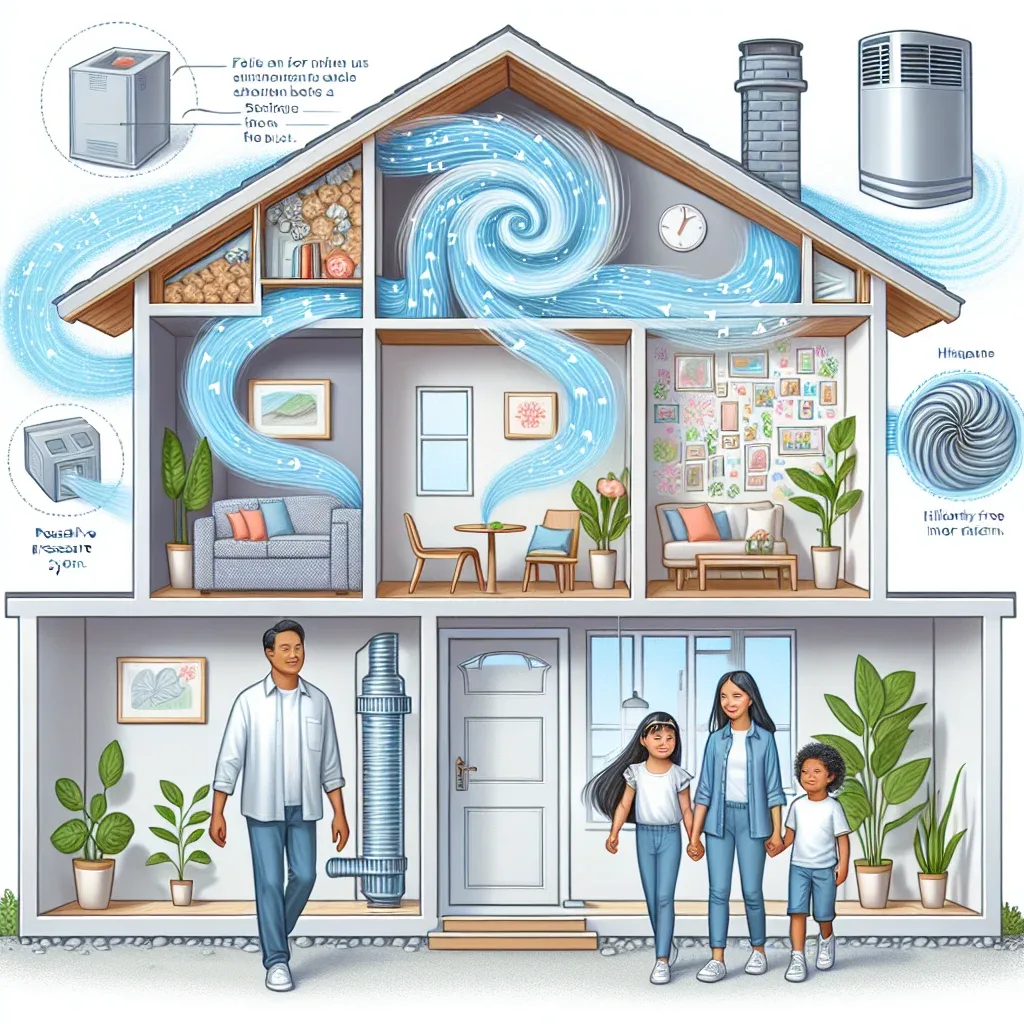
What Is a Positive Air Pressure System?
A Positive Air Pressure (PAP) system maintains higher air pressure inside your home than outside. This causes air to flow outward continuously, creating an invisible barrier that prevents dust, mold spores, allergens, and outdoor pollutants from infiltrating your living space. PAP systems work best when paired with HEPA filtration and smart air quality sensors for whole-home monitoring.
Reducing PM2.5 and Outdoor Pollutants
Bangkok consistently ranks among Southeast Asia's most polluted cities during certain seasons. A PAP system actively prevents PM2.5 particles and vehicular pollutants from seeping through door gaps, window seals, and building penetrations. WHO research confirms that sustained reduction in PM2.5 exposure significantly lowers long-term cardiovascular and pulmonary disease risk. Families with young children, elderly members, or asthma sufferers gain the most from this protection.
Blocking Pathogens and Mold Spores
Airborne pathogens — bacteria, viruses, and fungal spores — cannot easily infiltrate a positively pressurized space. The outward airflow acts as a continuous shield, reducing the risk of respiratory infections and allergic reactions. In Thailand's humid tropical climate, mold growth on walls and ceilings is a perennial concern; PAP directly addresses this by preventing the moisture-laden outside air that feeds mold from accumulating indoors.
Temperature and Humidity Control
A well-designed PAP system integrates with your HVAC to maintain optimal temperature and relative humidity (ideally 40–60%). Stable humidity discourages dust mite proliferation and mold growth, while the right temperature reduces the workload on air conditioners. Studies show this integration can reduce air conditioning energy consumption by 10–20%, making PAP a financially sound investment alongside its health benefits.
Mental Wellbeing and Cognitive Performance
Indoor air quality has a measurable impact on focus, stress, and sleep quality. Research published in Indoor Air Journal found that occupants in well-ventilated, clean-air environments outperformed those in standard offices on cognitive tasks. For remote workers managing both professional productivity and household life from the same space, a PAP-equipped smart home provides a genuine competitive advantage.
HappySmart Integration
HappySmart designs PAP systems to integrate seamlessly with Home Assistant. PM2.5, CO2, and humidity sensors feed a central dashboard that automatically adjusts fan speed and filtration intensity based on real-time outdoor AQI data. Contact HappySmart to assess your home's specific requirements and receive a customized air quality solution.