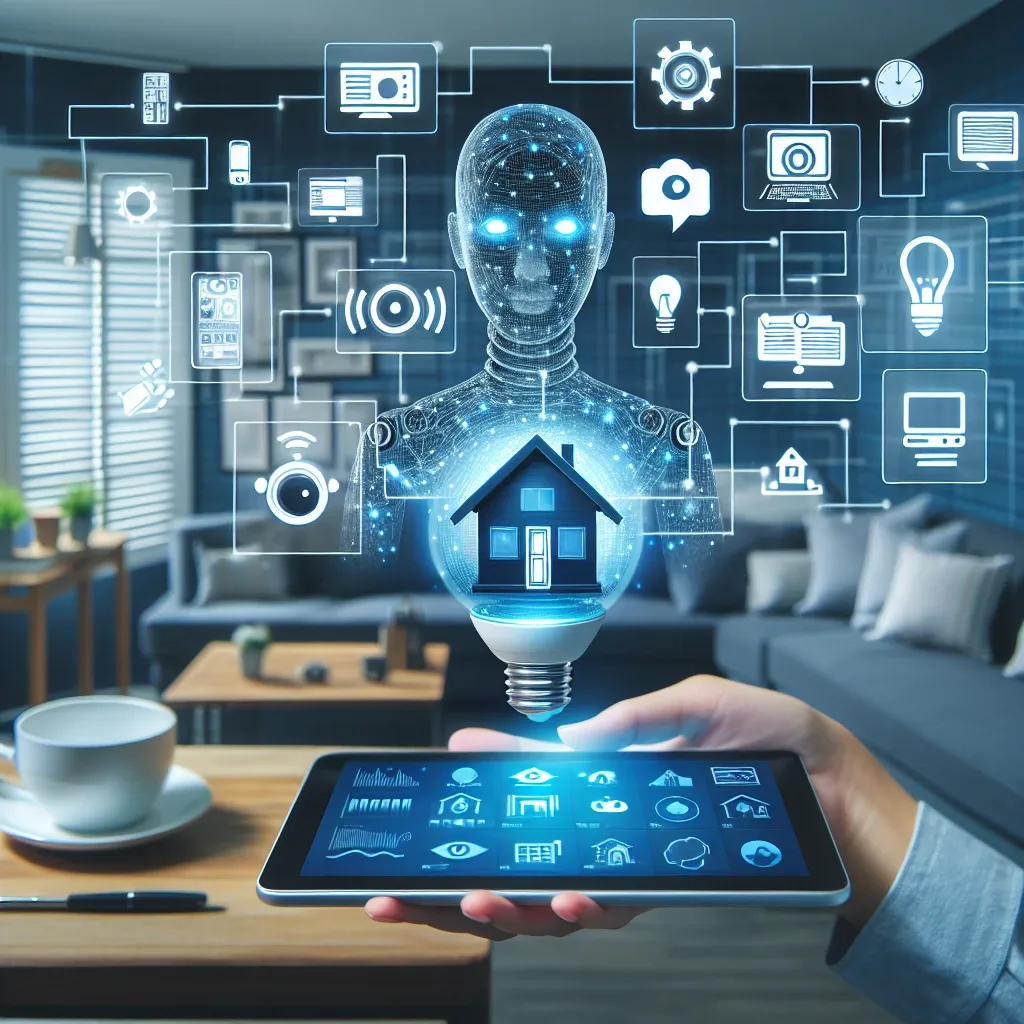
What AI in a Smart Home Actually Means
When people think of AI in smart homes, they often picture voice commands through a smart speaker. But the genuine capability of AI in 2026 home systems extends far beyond that.
AI embedded in platforms like Home Assistant or the latest Mi Home release analyses data from multiple sensors — temperature, humidity, natural light levels, and energy usage patterns — to build an accurate picture of how residents live. The system then adjusts devices automatically, without requiring manual input.
Learning Routines and Adjusting Environments
HappySmart's AI layer spends roughly the first two to four weeks observing usage patterns before it begins acting proactively. Examples of what this looks like in practice:
The system learns you typically wake at 6:30 on weekdays and starts gradually opening the motorised blinds from 6:00, lifting room brightness slowly instead of a jarring alarm.
It detects that the living room sits empty on weekday afternoons and raises the air conditioning setpoint during that window, returning to a comfortable temperature fifteen minutes before you typically arrive home.
mmWave sensors in the living room and bedroom give the AI accurate occupancy data even when you are sitting still reading, not triggering false absences that would switch off devices prematurely.
Security That Gets Smarter Over Time
EZVIZ cameras from the 2026 lineup process video on-device using AI, distinguishing between unfamiliar visitors, household members, pets, and vehicles. Notifications are sent only for genuinely significant events.
Paired with a Matter 1.4 and HomeKit-compatible smart lock, the system can auto-lock when it confirms the home is empty, and alert you when someone attempts an incorrect access code beyond a defined threshold.
Energy Savings You Can Measure
One of the most tangible benefits of AI in a smart home is a lower electricity bill. HappySmart's energy management layer tracks power consumption by device in real time and presents it through a readable dashboard, making it clear which appliances draw the most power.
Automatic device switching based on occupancy detection meaningfully reduces energy waste from devices left running unintentionally.
AI for Elderly Care at Home
An area gaining significant attention from Thai families is using AI to support elderly relatives living independently. mmWave sensors can detect falls and automatically send emergency alerts to family members — without the elderly person needing to wear or carry any additional device.
HappySmart offers an elderly care package combining mmWave sensors, alert routing, and EZVIZ cameras in a single installation.