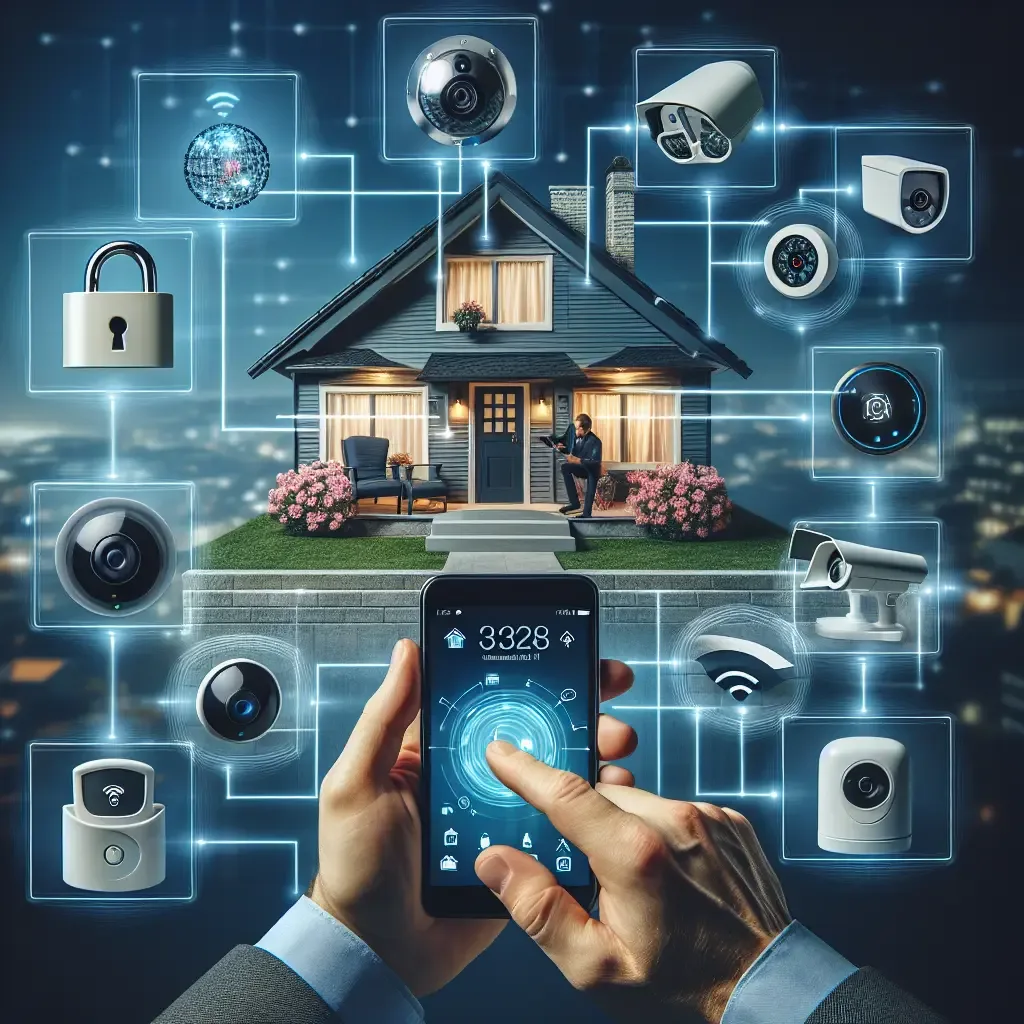
How IoT Has Transformed Home Security
Traditional home security operated in silos. Cameras recorded but did not alert. Alarms sounded but owners had no immediate picture of what triggered them. Devices did not communicate.
IoT changes that equation. Every device shares data through a central hub — Home Assistant or a mobile app — so a Bangkok homeowner can watch a live feed from their Hua Hin property and receive an instant alert the moment something irregular occurs.
Smart Cameras: EZVIZ in 2026
EZVIZ 4K cameras available in Thailand in 2026 include AI-powered motion detection that distinguishes between people, vehicles, and pets, substantially reducing false alerts. Push notifications arrive with a thumbnail image, allowing homeowners to assess the situation instantly without opening the full camera feed.
EZVIZ integrates with Home Assistant through a built-in integration, enabling automations such as: if the camera detects a person in the front yard after 11 p.m., automatically switch on flood lighting and send an alert.
mmWave Sensors: The Most Precise Detection Available
Millimetre wave radar sensors represent a significant leap beyond traditional PIR motion detectors. While PIR detects only coarse movement, mmWave sensors detect breathing and heartbeat from up to 5–8 metres away.
In a security context, the system knows a room is occupied even when the person is sitting still watching television. This eliminates the false negatives that PIR sensors commonly produce and enables reliable confirmation that a space is genuinely empty before the full security system arms.
For elderly residents, an mmWave sensor in a bedroom or bathroom can detect a fall or prolonged absence of movement and send an emergency alert to family members immediately.
Smart Locks and Access Management
TP-Link Tapo smart locks with Matter support handle access management across multiple credential types: NFC card, PIN code, fingerprint, and smartphone. Every unlock event generates a timestamped log entry.
For homes where domestic staff or service providers visit regularly, temporary PINs can be issued with defined validity windows — for example, 9 a.m. to noon on Mondays and Wednesdays. The PIN expires automatically when the window closes.
Unifying Everything in Home Assistant
EZVIZ cameras, mmWave sensors, and TP-Link smart locks deliver their full value when integrated in Home Assistant. All events log centrally, cross-device automations run without manual intervention, and a single dashboard shows the security status of the entire property.
HappySmart designs security packages that bundle hardware and pre-configured Home Assistant setup — no individual device configuration required from the homeowner.